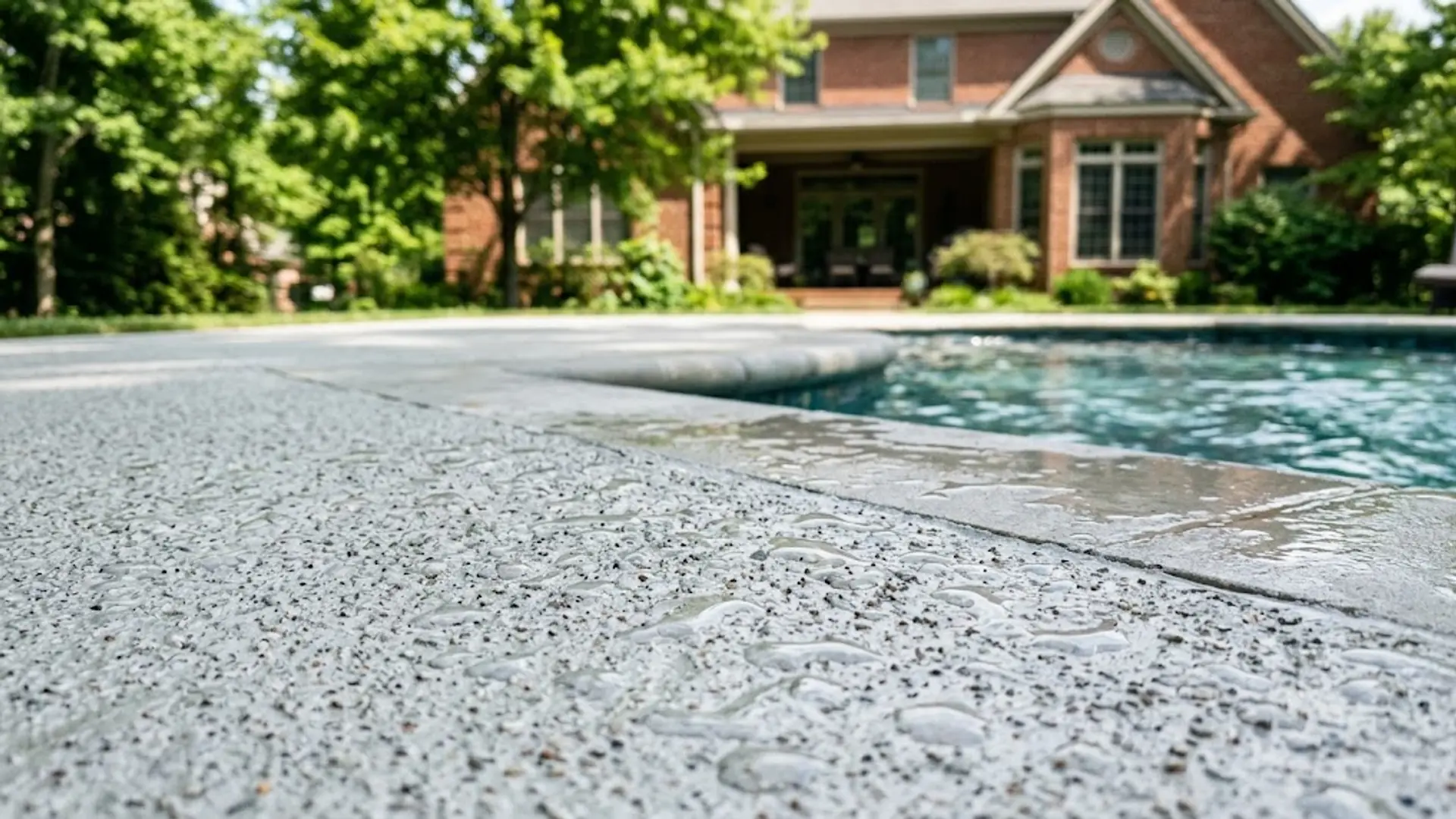
When to Seal Concrete: Timing, Warning Signs, and Seasonal Tips for Kentucky Homeowners
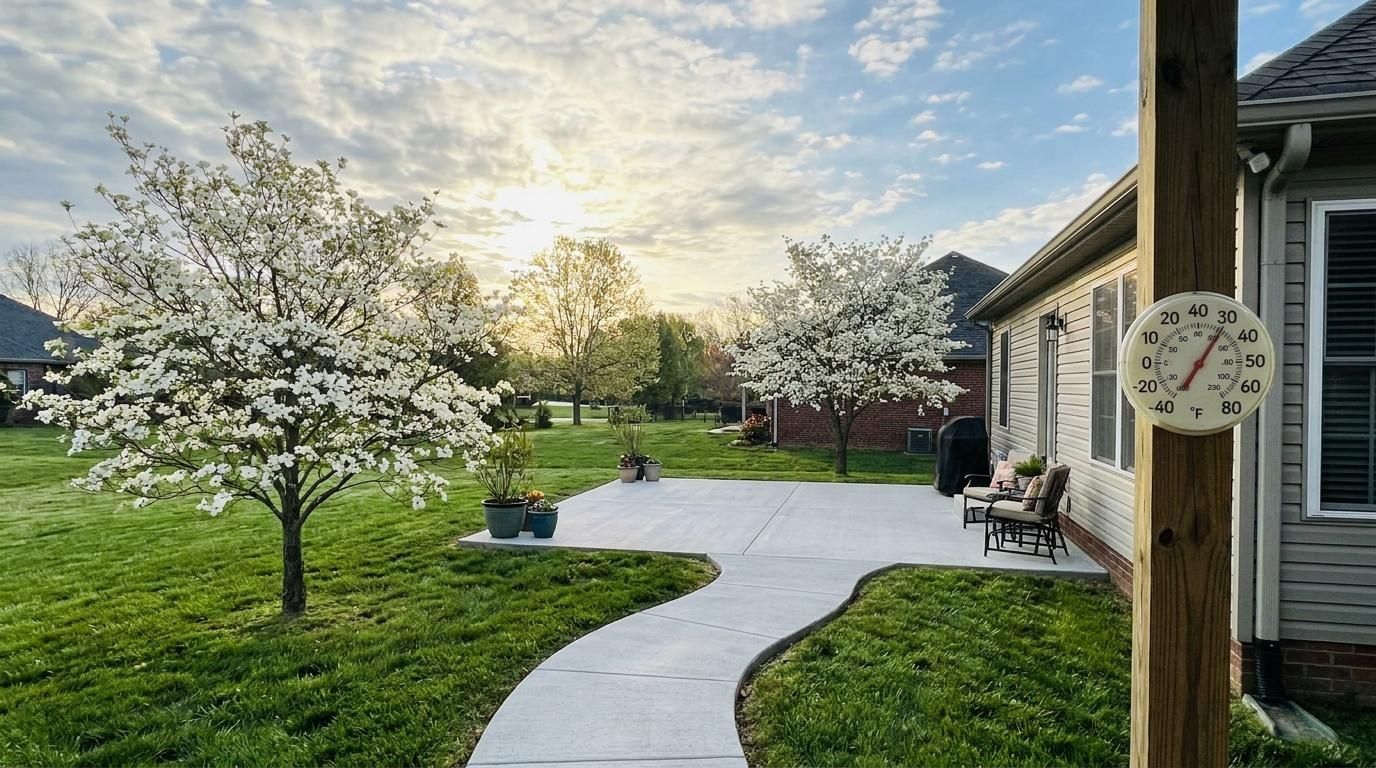
To know when to seal concrete, you must monitor three critical factors: surface temperatures should remain between 50°F and 85°F, the weather forecast should show at least 24 hours of dry weather, and if the slab is newly poured, determine if it has finished curing completely. In Kentucky, the best windows are mid-April through May and September through mid-October.
Kentucky's late-spring weather creates the year's best sealing window, but it closes faster than most homeowners realize. By early June, afternoon humidity regularly pushes past 75%, slowing cure times and trapping moisture under the sealer film. Waiting too long means waiting until fall. KY Epoxy Flooring provides professional concrete sealing across Central Kentucky and covers how to get the timing right in this blog post.
Best Seasons for Concrete Sealing in Kentucky
Kentucky's weather gives homeowners two reliable sealing windows each year.
Spring: Mid-April Through May
Temperatures consistently hit 55°F to 80°F, and humidity stays manageable before June pushes it past 75%. This window catches concrete before summer UV accelerates wear and lets you repair freeze-thaw damage from winter. Most Stanford-area homeowners schedule sealing during this stretch.
Fall: September Through Mid-October
Temperatures drop into the ideal range after summer heat subsides. Sealing before winter puts a fresh barrier between your concrete and the road salt, ice, and moisture that arrive in November. After mid-October, overnight temperatures below 50°F prevent proper sealer cure.
When Not to Seal
June through August humidity slows curing and can trap moisture beneath the sealer film. December through March temperatures regularly drop below 50°F, so sealers won't bond correctly to cold concrete.
Warning Signs Your Concrete Needs Sealing
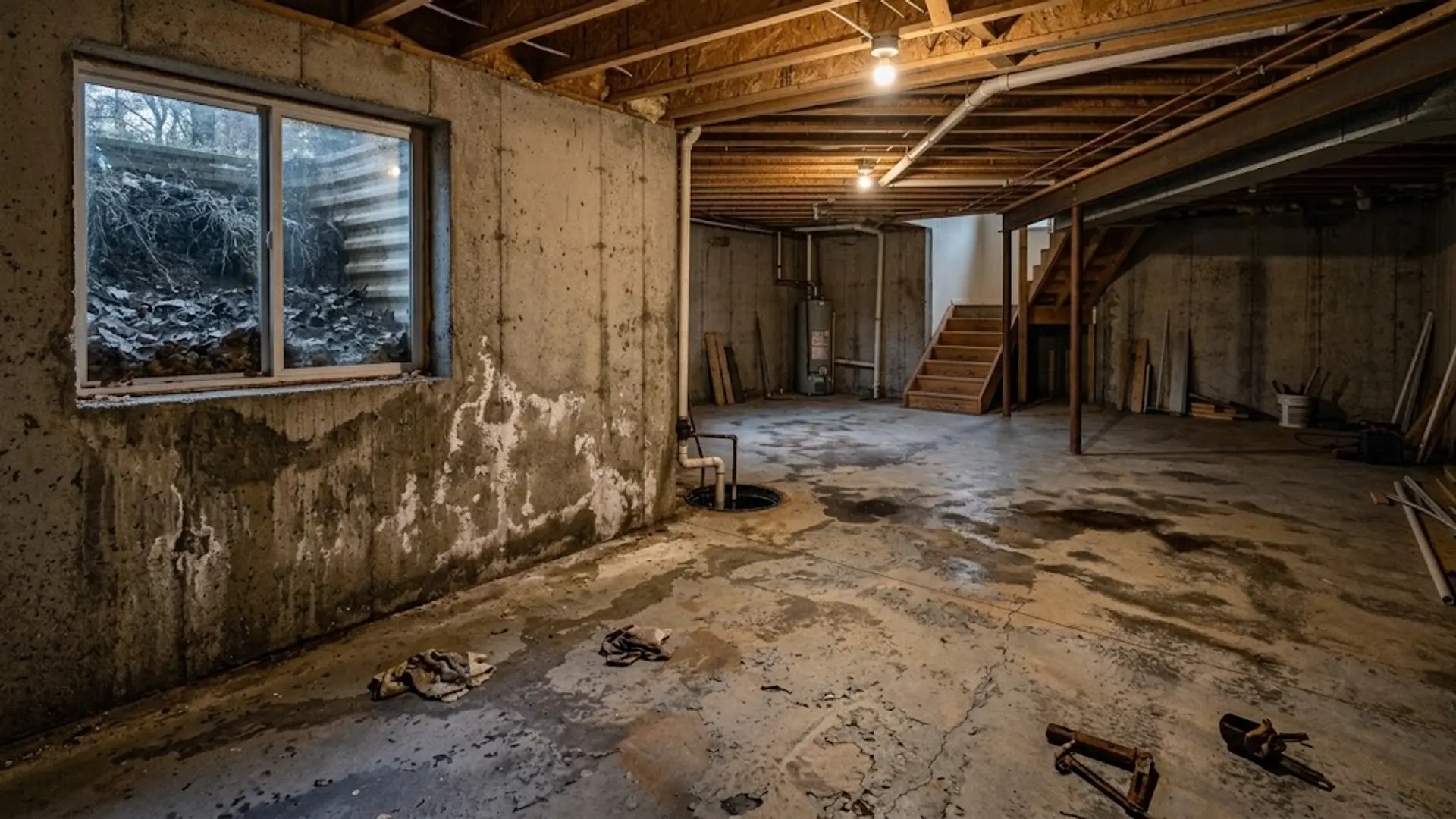
Concrete doesn't always announce when its sealer has worn through. These five indicators tell you protection has faded.
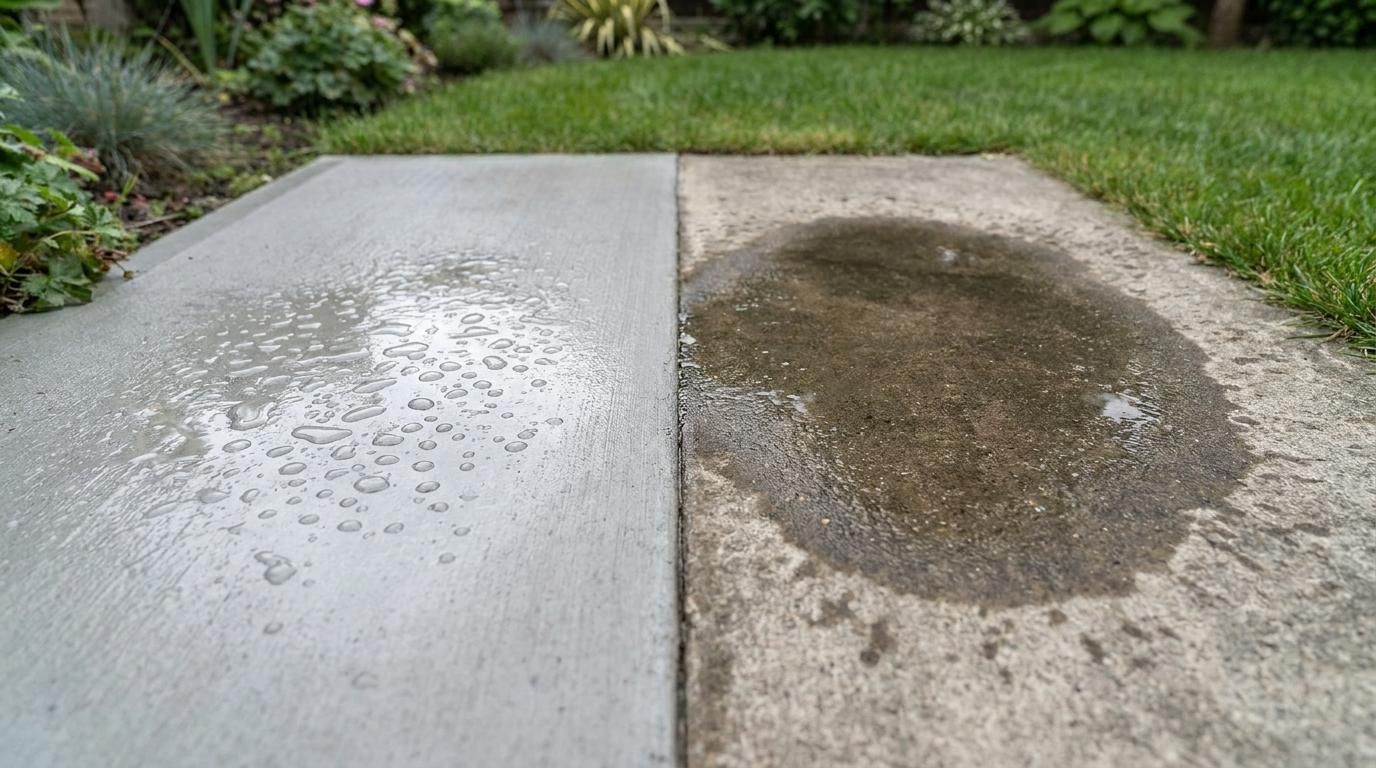
- Water absorption: Pour water on the surface. If it darkens and soaks in within 10 seconds, the sealer is no longer active.
- Surface whitening or flaking: Film-forming sealers like acrylics develop a chalky white layer or peel as they degrade.
- Dark staining: Oil, grease, or rust stains that didn't penetrate before now soak into unprotected pores.
- Concrete dust on shoes: Walking across the surface picks up fine powder that sealed concrete doesn't shed.
- Visible spalling: Small chips or flakes breaking from the surface indicate freeze-thaw damage already underway.
Each of these signs worsens with every freeze-thaw cycle. Catching them before winter means simple resealing, but knowing how long sealer typically lasts helps you act before the warning signs appear. Waiting means more surface prep and potentially higher costs.
Timing Rules for New Concrete
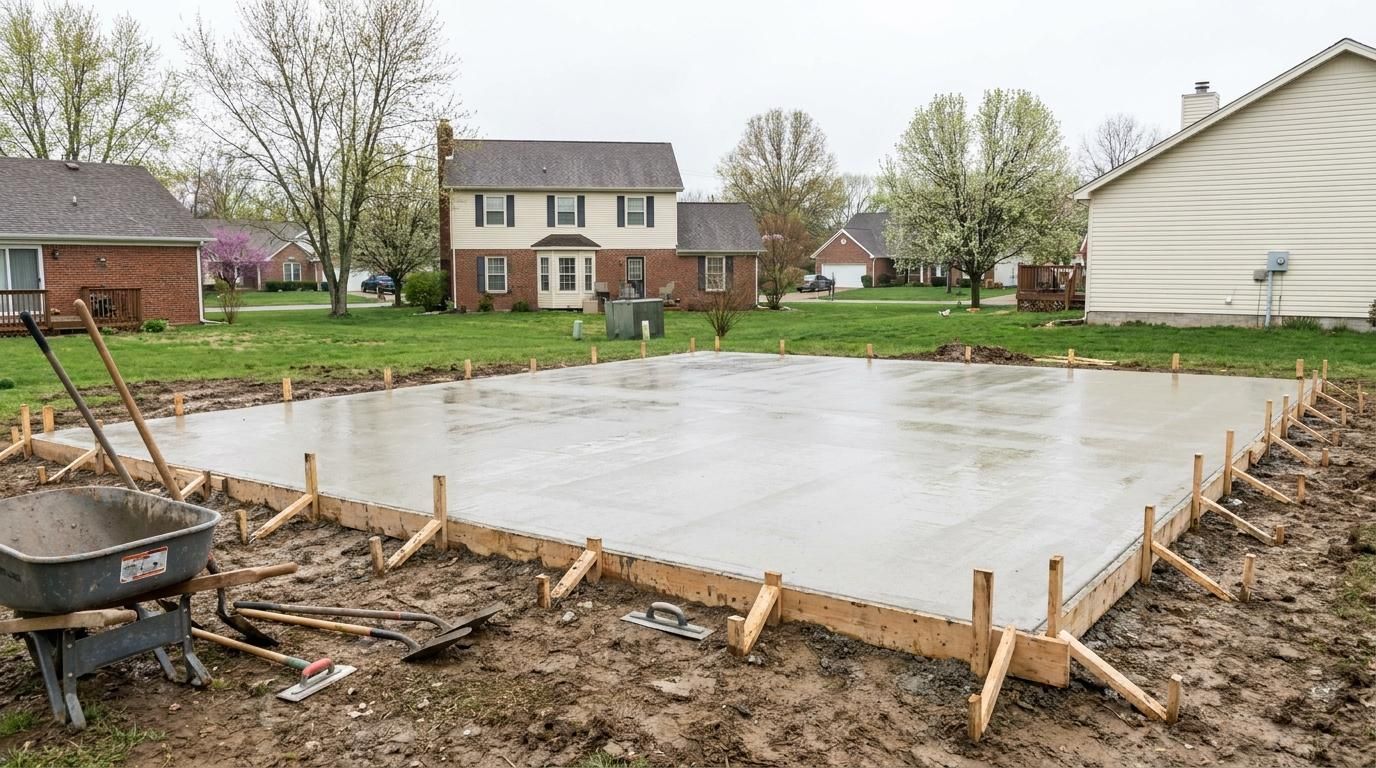
New concrete requires a minimum 28-day curing period before any sealer can be applied. During this time, excess moisture evaporates from the slab, and the concrete reaches roughly 80% of its final strength.
Sealing too early traps moisture inside the concrete, which causes whitening, bubbling, or complete sealer failure within weeks. In Kentucky's humid climate, some slabs retain enough moisture to extend the wait to 30 to 45 days, especially concrete poured during summer.
Test the slab's readiness by taping a plastic sheet over the surface and leaving it there overnight. If condensation forms underneath by morning, it's still releasing moisture. Once the concrete passes the moisture test and temperatures are in the 50°F to 85°F range, it's ready for a sealer.
Frequently Asked Questions
Can I seal concrete in direct sunlight?
Direct sunlight heats the surface beyond optimal temperature and causes sealers to dry too quickly, creating an uneven film that peels early. Schedule application for morning or late afternoon when the slab is shaded or cool. KY Epoxy Flooring times outdoor applications to avoid peak sun exposure.
What happens if it rains right after sealing?
Rain within the first 24 hours washes away uncured sealer and leaves unprotected patches on the surface. Most professional-grade penetrating sealers need a minimum 24-hour dry window to absorb fully. Check the extended forecast before scheduling, because even a 30% rain chance is worth postponing for.
Should I seal my garage floor or just the driveway?
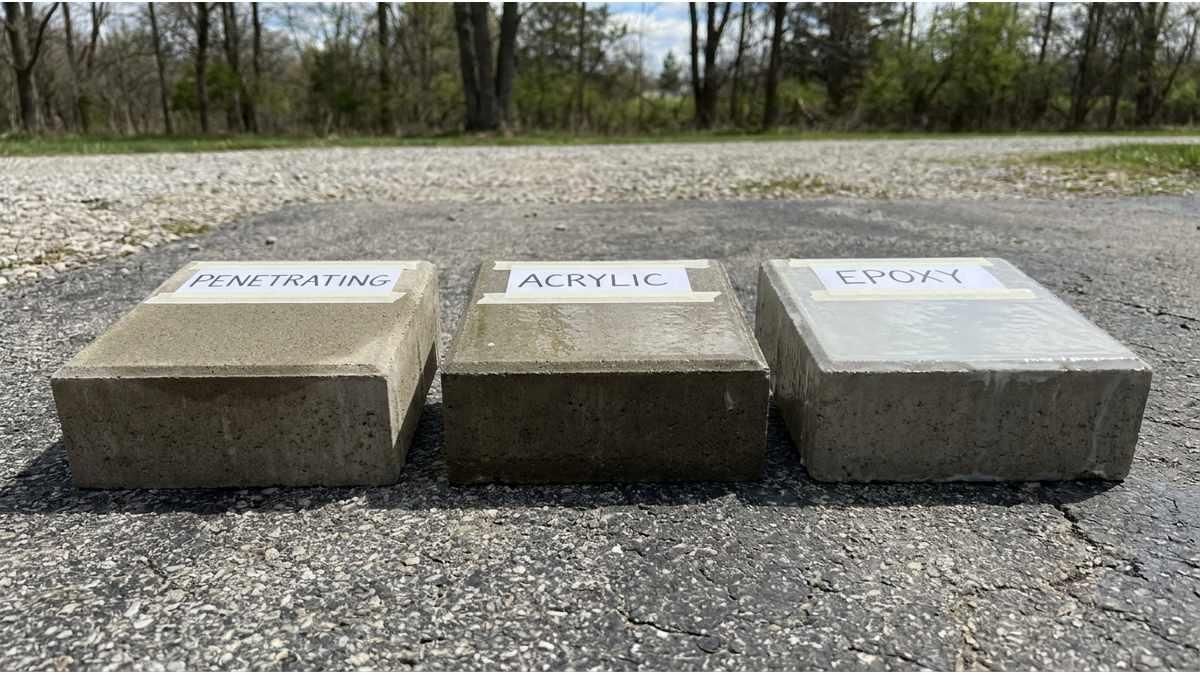
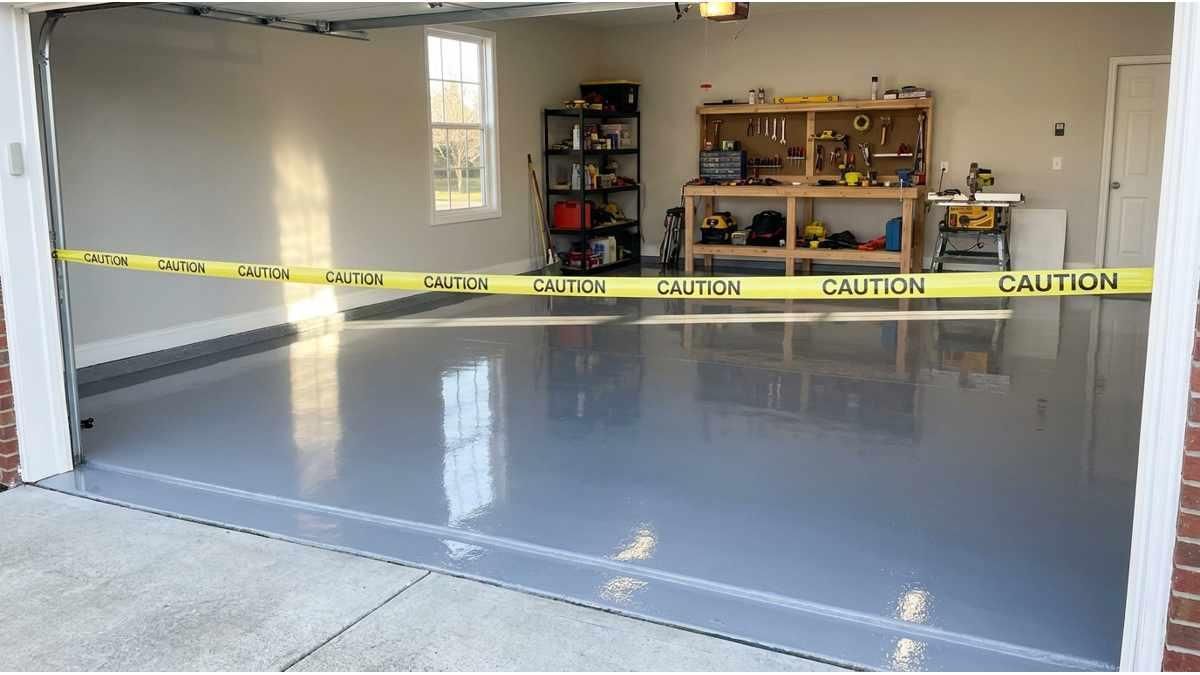
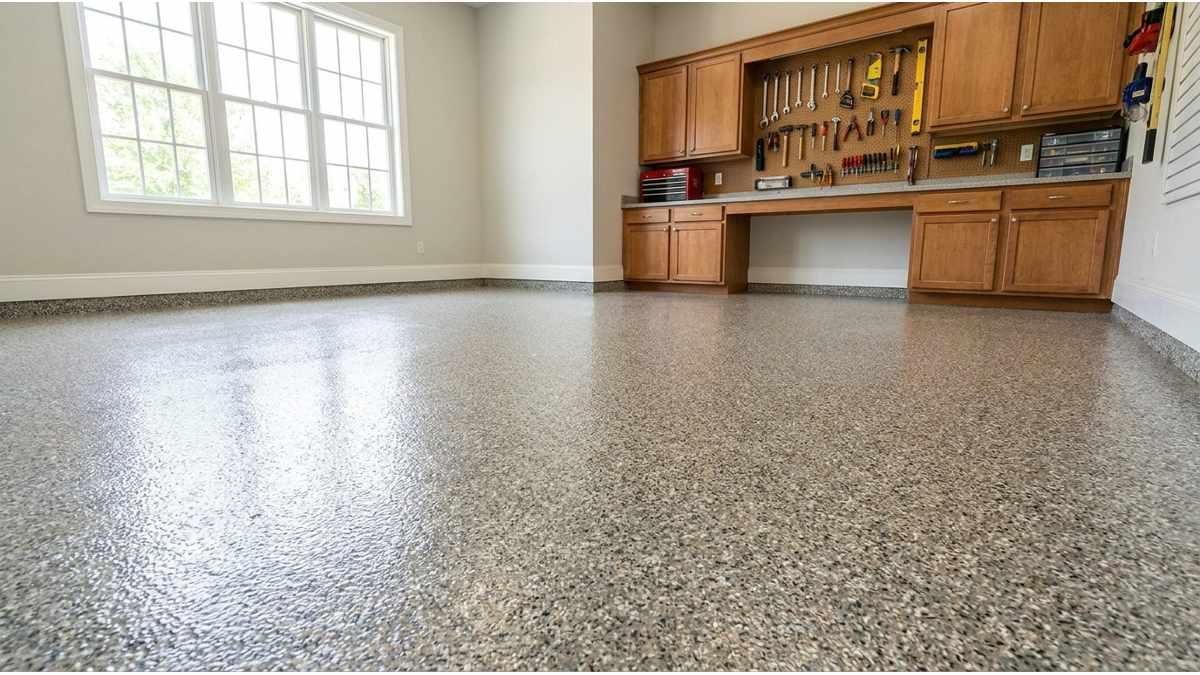
Both surfaces benefit from protection, but they face different conditions. Driveways need UV and freeze-thaw protection from penetrating sealers. Garage floors handle automotive chemicals and tire marks better with epoxy or polyaspartic coatings that provide a thicker, chemical-resistant barrier.
Keep Your Concrete Protected Year-Round
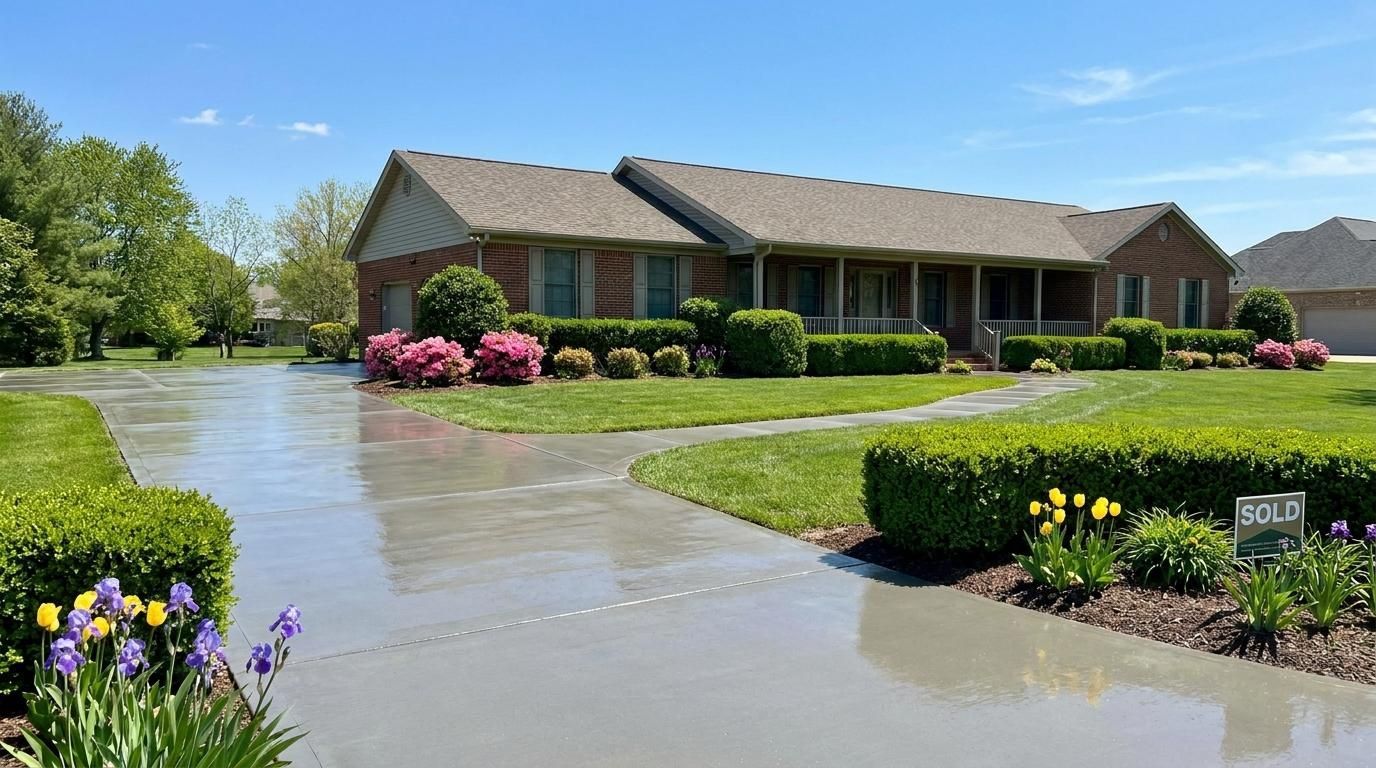
The best results come from matching the right sealer to the right weather window. In Kentucky, that means acting during spring or early fall when temperatures cooperate and humidity stays low. Waiting for visible damage before sealing costs more in surface prep and shortens the time before the next sealer application.
Contact KY Epoxy Flooring at (859) 749-3449 for a free concrete assessment. Lock in your concrete sealing schedule before the spring window closes.