
How Long Does Epoxy Floor Take to Cure? Complete Dry Time Guide for Kentucky Homeowners

Jimmy Miller • June 6, 2026

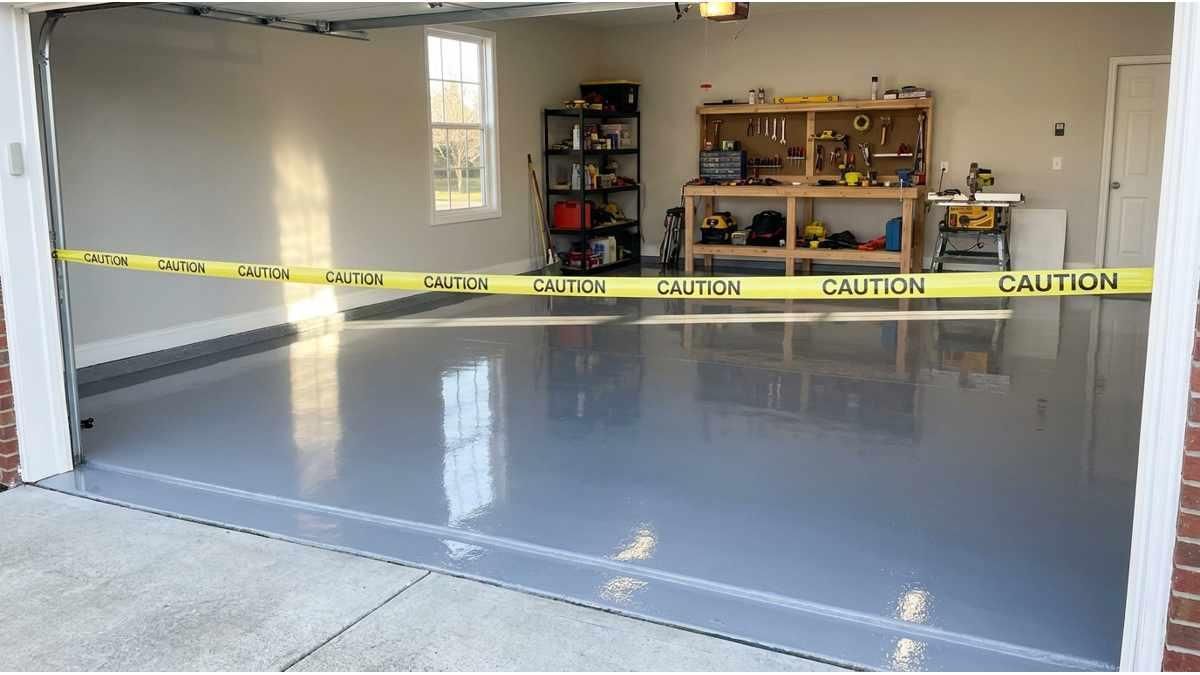
Epoxy floor cure time runs about 24 hours before the coating hardens enough for light use. The full return-to-service depends on the system, the humidity, the temperature, and the condition of the slab. KY Epoxy Flooring helps Kentucky homeowners plan realistic timelines instead of rushing an epoxy floor before its' ready, because parking on a coating too early is one of the easiest ways to ruin a good install.

Three terms get used interchangeably and shouldn't be: dry time, cure time, and return-to-service. They don't mean the same thing, and the gap between them is exactly where damage happens. In this blog post, we sort out all three, explain why Kentucky's humidity and slab temperature can change the schedule, and explain how to prepare for a smooth cure window.

Dry Time, Cure Time, and Return-to-Service

While these three terms are often used interchangeably, they represent distinct stages of the coating process that directly dictate when your floor is ready for use.

Dry Time

Dry time means the coating is no longer wet to the touch. Cure time means the coating has developed enough strength for use. Return-to-service means the floor can handle the intended traffic, such as walking, storage, or parking.

Cure Time

Epoxy may be walkable after a set period, yet still be building hardness. That's why parking too early can leave tire marks, dull spots, or pressure damage. Heavy shelves, motorcycle kickstands, and hot tires place more stress on a coating than careful foot traffic.

Polyurea systems can cure faster than epoxy. They may be ready in a few hours in some applications, while epoxy commonly needs around 24 hours to reach curing milestones. The exact timing still depends on the product and job conditions. These sensitive chemical timelines are a major reason retail DIY kits struggle to match the longevity of commercial installations.

Return to Service

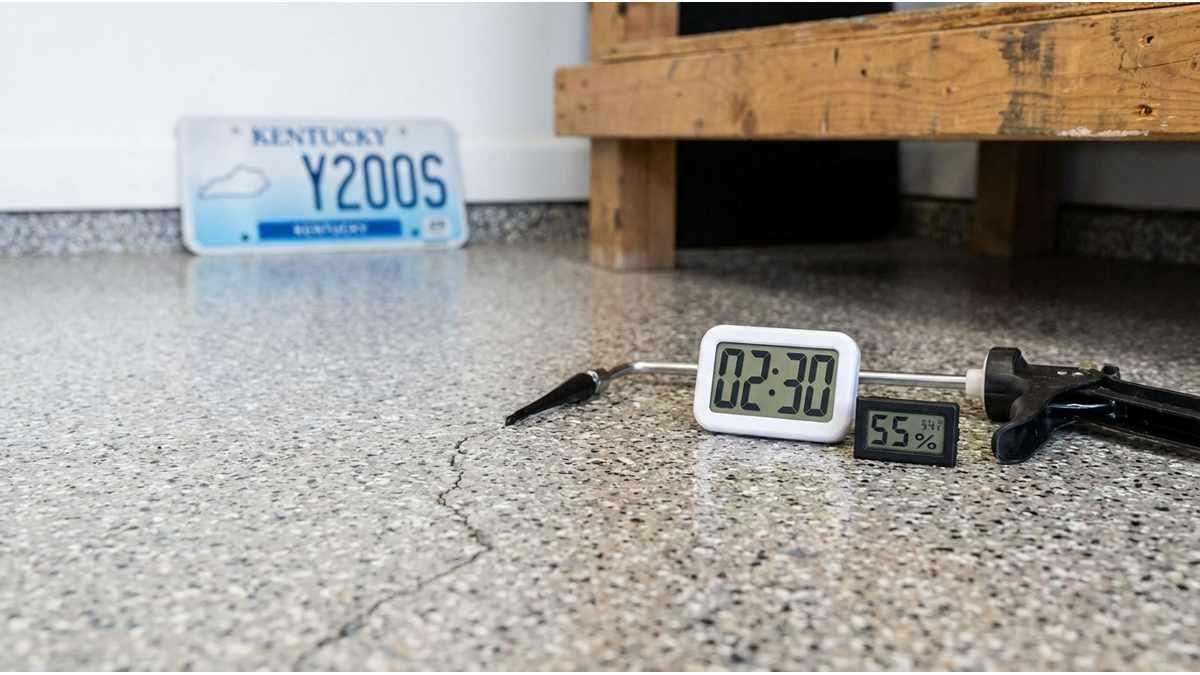
Kentucky humidity can change expectations. A cool, damp garage in spring behaves differently from a warm, dry garage in late summer. Slab temperature matters as much as air temperature because the coating bonds and cures against the concrete. Road salt residue can also affect prep if it is left near door openings. That is why timing, cleaning, and moisture review belong in the same conversation.

Why Kentucky Conditions Can Change the Schedule

Garage floor coatings are applied over real concrete that may hold hidden moisture, old oil, dust, road salts, or failing coatings–all of which directly affect your preparation and curing timeline.

How Weather Impacts Curing

Local climate conditions heavily influence how coating chemicals behave during an installation:

  • High Humidity: A humid Kentucky day can slow down the overall curing process or increase the risk of surface imperfections.In a Nicholasville basement-level or north-facing garage that stays cool and damp well into spring, the slab can hold enough moisture to push the return-to-service date later than the calendar suggests.
  • Cold Temperatures: Cold concrete significantly extends both the material's working window and the time it takes the floor to fully harden.
  • Intense Heat: Hot conditions drastically shorten the material's working window, requiring a skilled crew to mix and place the layers with precision before they set.

Homeowner Preparation & Logistics

Beyond the weather, your project's timeline depends on household logistics. If your garage currently holds a refrigerator, heavy tools, holiday storage, or a second vehicle, you will need a clear plan to completely clear the space before preparation begins. Once the installation starts, keep children and pets entirely away from the active work area, and avoid washing cars or creating any water runoff near the garage during the critical curing window.

How to Prepare for a Smooth Cure Window

The best cure schedule starts before installation day. Honest details help the crew choose the right preparation steps, so it's crucial to clear out the space and tell your contractor about any historical oil spills, previous coatings, past flooding, or ongoing moisture concerns.

Action Steps for Homeowners

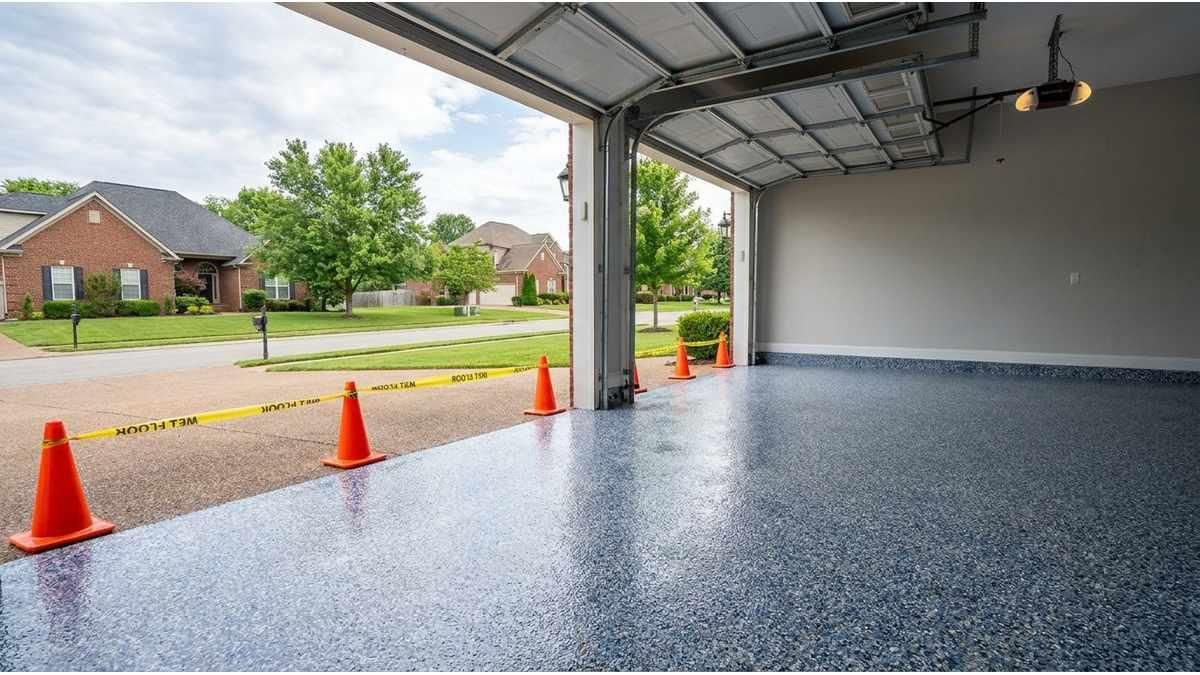
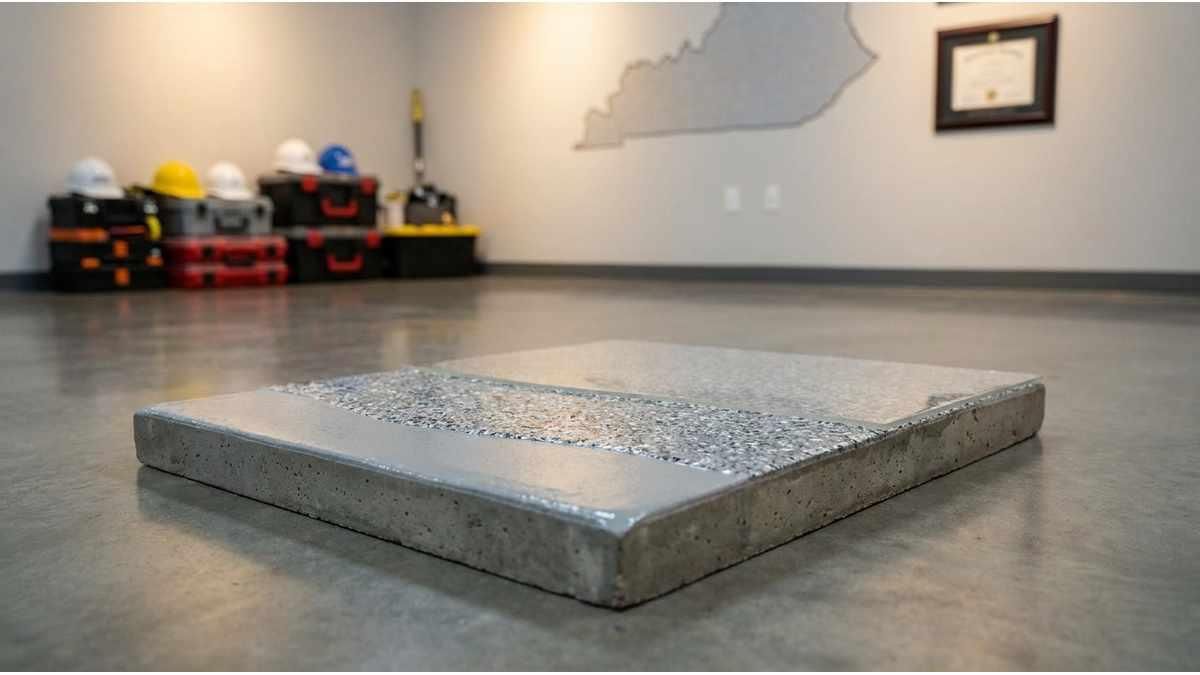
Don't judge readiness by appearance alone; a floor can look completely finished long before it's strong enough to handle heavy vehicle tires. If the floor uses a multi-layer system like a flake broadcast and topcoat, each layer needs proper timing to cure correctly.

You can directly support the curing process by managing your garage environment:

  • Clear the Space: Remove all stored items and sweep loose debris off the surface before the crew arrives.
  • Block Debris: Keep garage doors closed if the wind is blowing rain, dust, leaves, or extra moisture toward the active work area.
  • Adjust Parking Plans: Secure an alternative parking spot and do not return vehicles or heavy items to the garage until the exact return-to-service time passes.
  • Follow Guidance: Strictly follow your contractor's specific timeline for when it is safe to resume light foot traffic.

KY Epoxy Flooring serves homeowners across Central Kentucky, ensuring local weather patterns and humidity are always part of the upfront scheduling conversation.

Frequently Asked Questions

Can I walk on epoxy after 24 hours?

You can often walk on epoxy floor coatings after 24 hours of cure time as long as it's light foot traffic, but the exact timeline depends heavily on the specific coating system and environmental conditions. Walking on the surface too early can cause dulling, so homeowners must always follow the installer's specific instructions before entering the area.

When can I park on a new epoxy floor?

You can typically park a vehicle on a new epoxy floor after 72 hours of cure time, as vehicle return-to-service timelines require much longer than light foot traffic. Automotive tires are heavy, hold high thermal heat from driving, and apply immense pressure that can easily imprint or delaminate a coating before the polymer reaches its full chemical strength.

Does cold weather slow epoxy floor cure time?

Cold weather slows epoxy floor cure time significantly because low temperatures delay the chemical cross-linking reaction required for the material to harden. Cold concrete slab temperatures combined with damp Kentucky weather can double standard dry times, making proper product selection and seasonal project scheduling essential to manage cure risks.

Let the Floor Cure on Kentucky's Schedule

A realistic timeline protects your investment and your schedule. Cure time shouldn't be rushed—it's the critical window where the liquid coating hardens into a durable surface. If you drive or walk on it too soon, you risk leaving permanent tire marks and dull spots. In Kentucky's humid climate and shifting temperatures, patience during this final phase ensures the floor reaches its maximum strength.

To plan a coating around real cure times for your space, reach our to KY Epoxy Flooring. Call (859) 749-3449 .

By Jimmy Miller June 29, 2026
Master commercial epoxy floor maintenance. Protect your Kentucky business with our expert tips on daily cleaning, safe chemicals, and bi-annual inspections.
By Jimmy Miller June 25, 2026
Explore concrete patio resurfacing ideas for Kentucky homes, from coatings and overlays to slip-resistant textures and decorative finishes.
By Jimmy Miller June 21, 2026
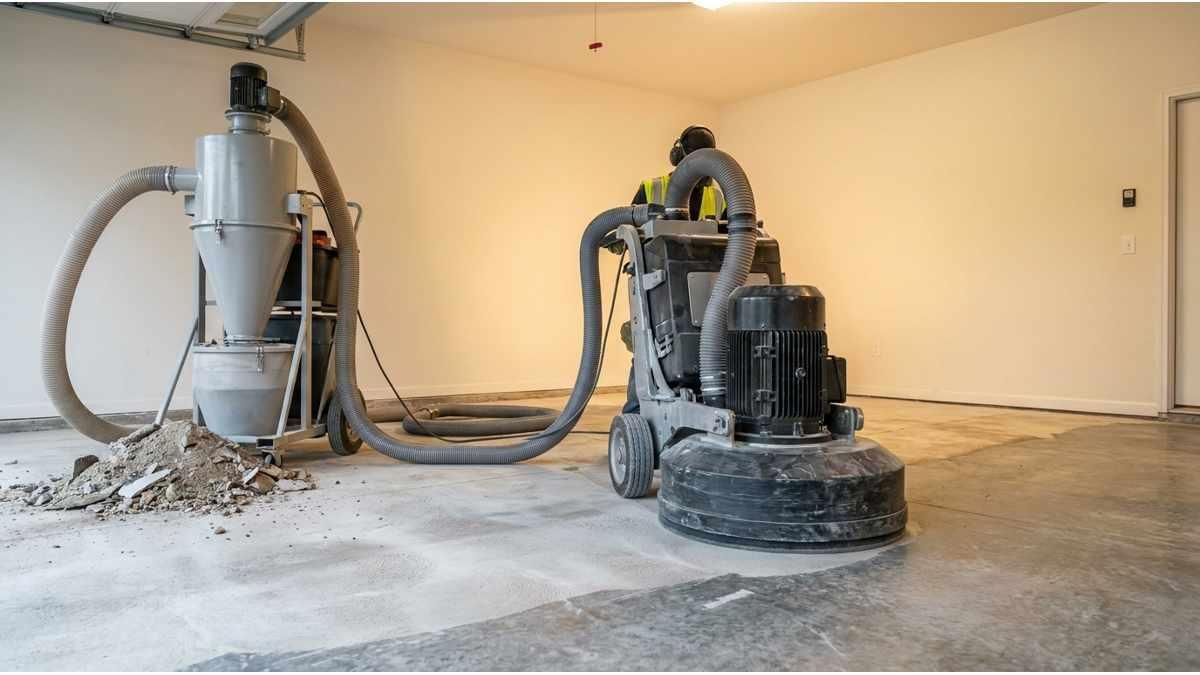
Learn how to prepare garage floor for epoxy, why grinding matters, and what Kentucky homeowners should know before coating concrete.
By Jimmy Miller June 18, 2026
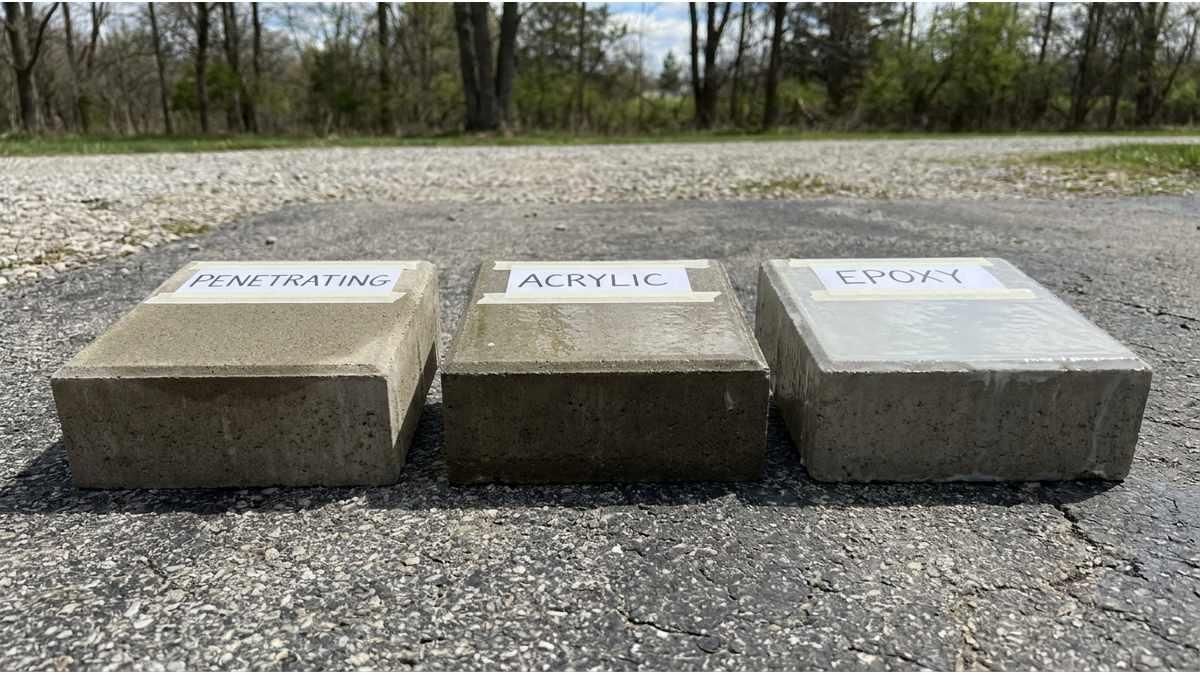
Compare concrete sealer types, including penetrating, acrylic, and epoxy sealers, and learn which option fits Kentucky concrete conditions.
By Jimmy Miller June 15, 2026
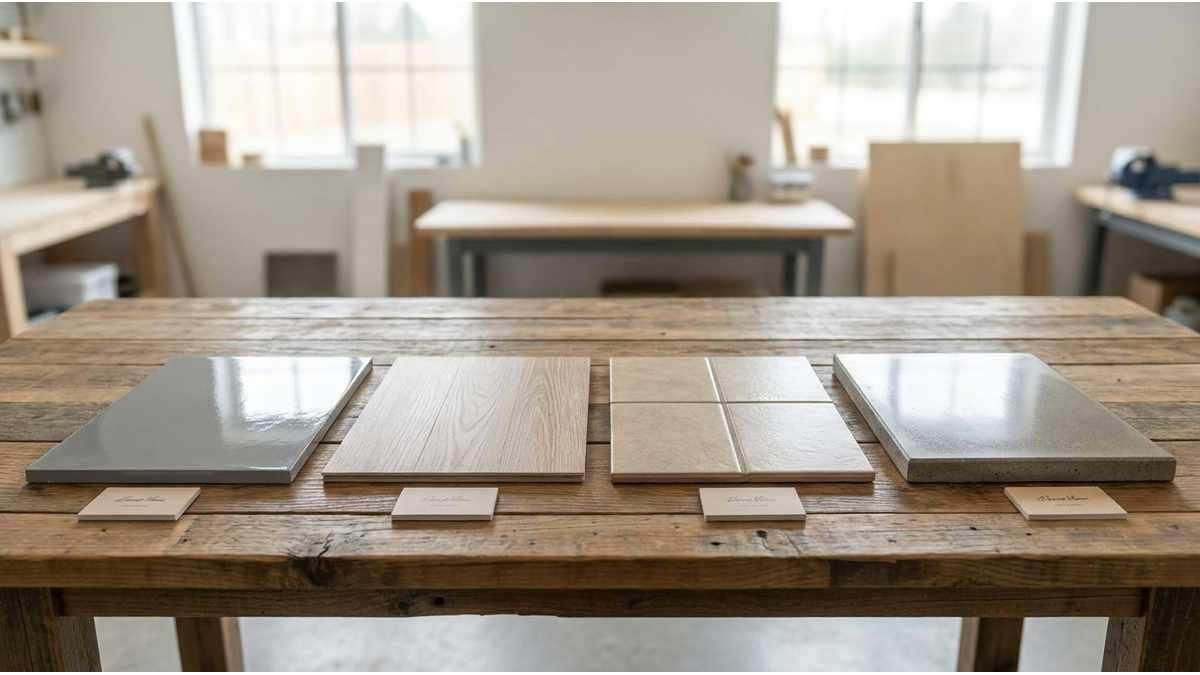
Compare the best flooring for wet basement spaces in Kentucky, including epoxy, vinyl, tile, sealed concrete, and carpet tile options.
By Jimmy Miller June 10, 2026
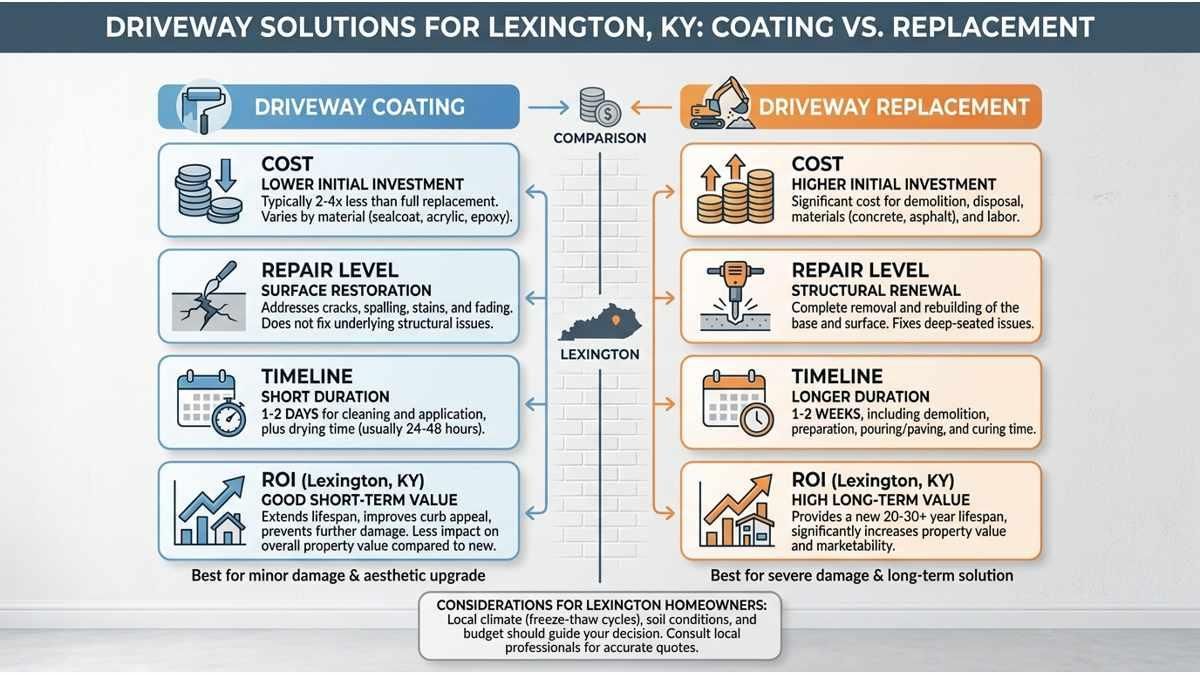
Compare driveway coating vs replacement for Lexington homes, including cost factors, repair limits, curb appeal, and long-term ROI.
By Jimmy Miller June 3, 2026
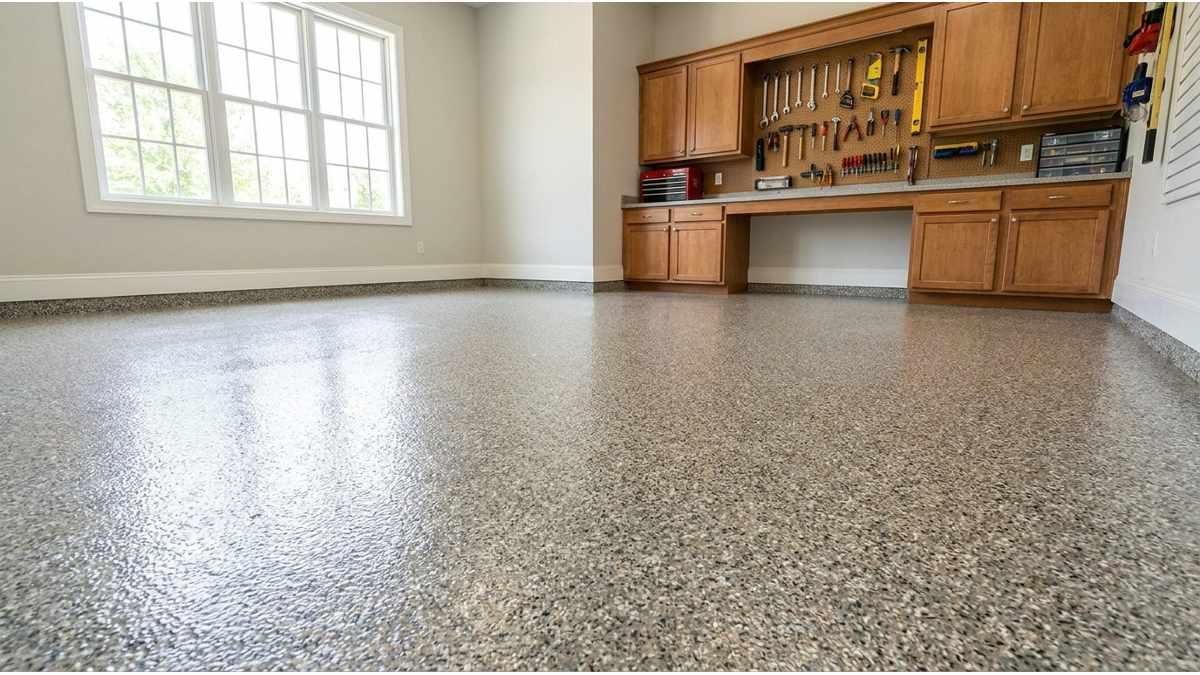
Learn how long epoxy flooring lasts in Kentucky weather, what affects durability, and when to call KY Epoxy Flooring for garage coating help.
By Jimmy Miller May 29, 2026
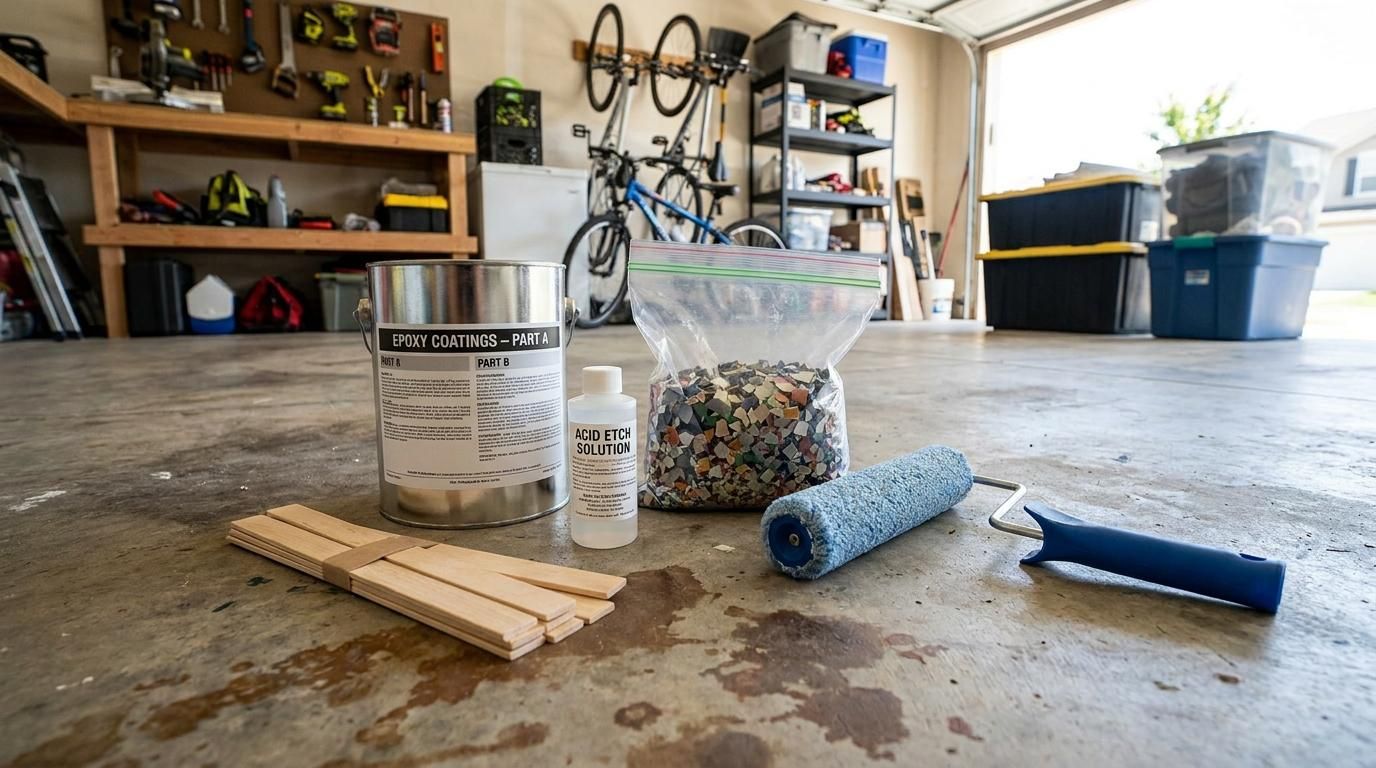
Compare DIY epoxy garage floor kits to professional installation in Kentucky. Learn about costs, preparation methods, cure times, and long-term durability.
By Jimmy Miller May 25, 2026
Choose the best concrete sealer for your Kentucky driveway. Compare penetrating vs. topical sealers, costs, & reapplication schedules for freeze-thaw climates.
By Jimmy Miller May 21, 2026
Learn how epoxy flooring helps restaurants meet Kentucky health codes. Read about food safety, durability, after-hours installation, and commercial warranties.
Show More