3 Types of Concrete Sealers: Penetrating, Acrylic, and Epoxy Explained
Concrete sealers fall into three main types: penetrating sealers, acrylic sealers, and epoxy-style protective systems, and each one protects concrete in a different way. KY Epoxy Flooring helps Kentucky homeowners choose concrete sealing based on how the surface is used, the weather it faces, the look you want, and how much maintenance you're willing to do.
The right sealer keeps water, stains, salt, and wear out of your concrete. The wrong one peels, discolors, or fails years early, usually because it was matched to a shelf label instead of the slab. Below, we break down all three types, where each fits, and where each one falls short.
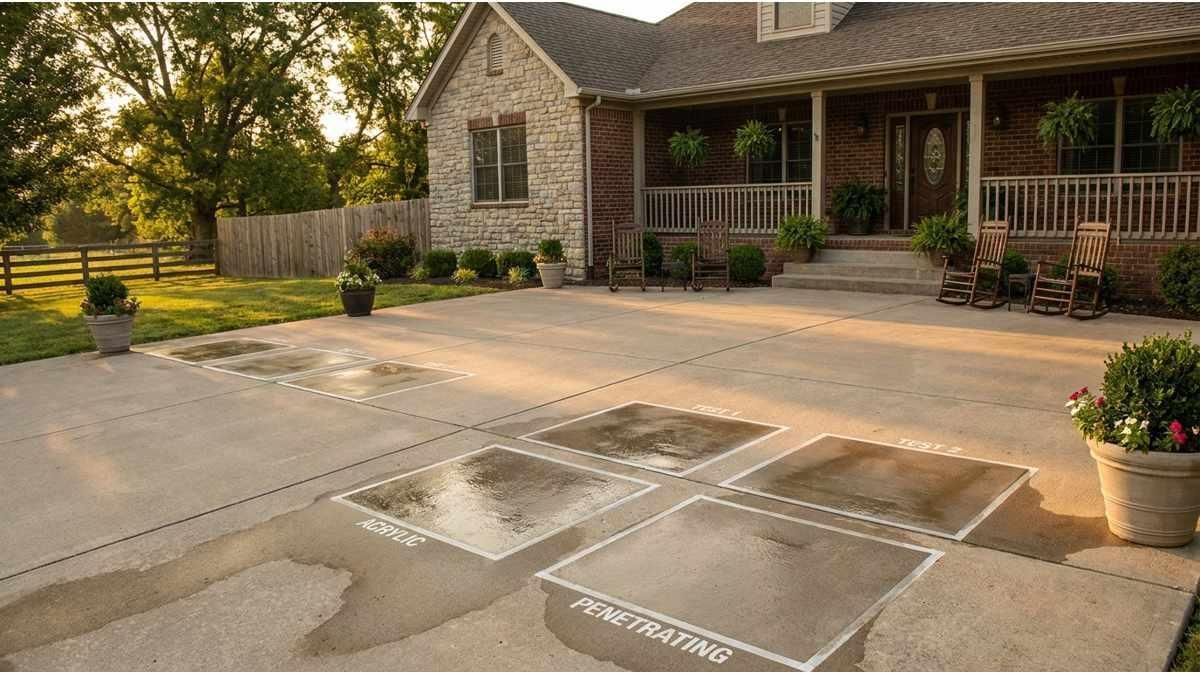
Penetrating Sealers: Moisture Protection Without a Film
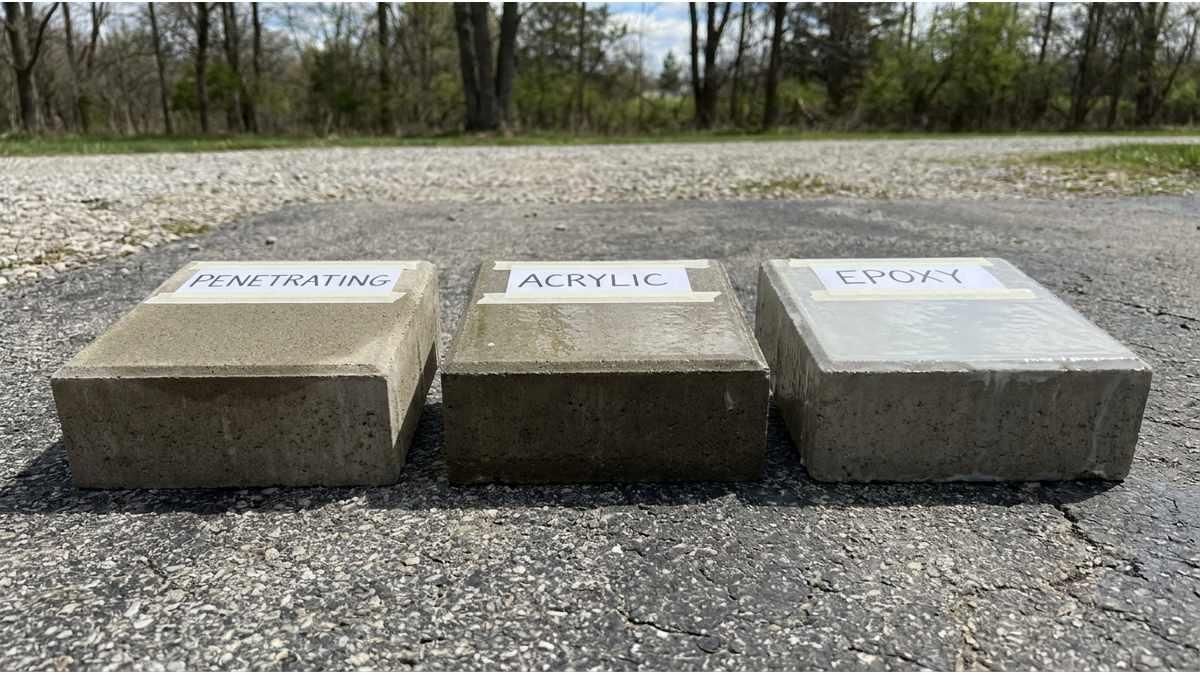
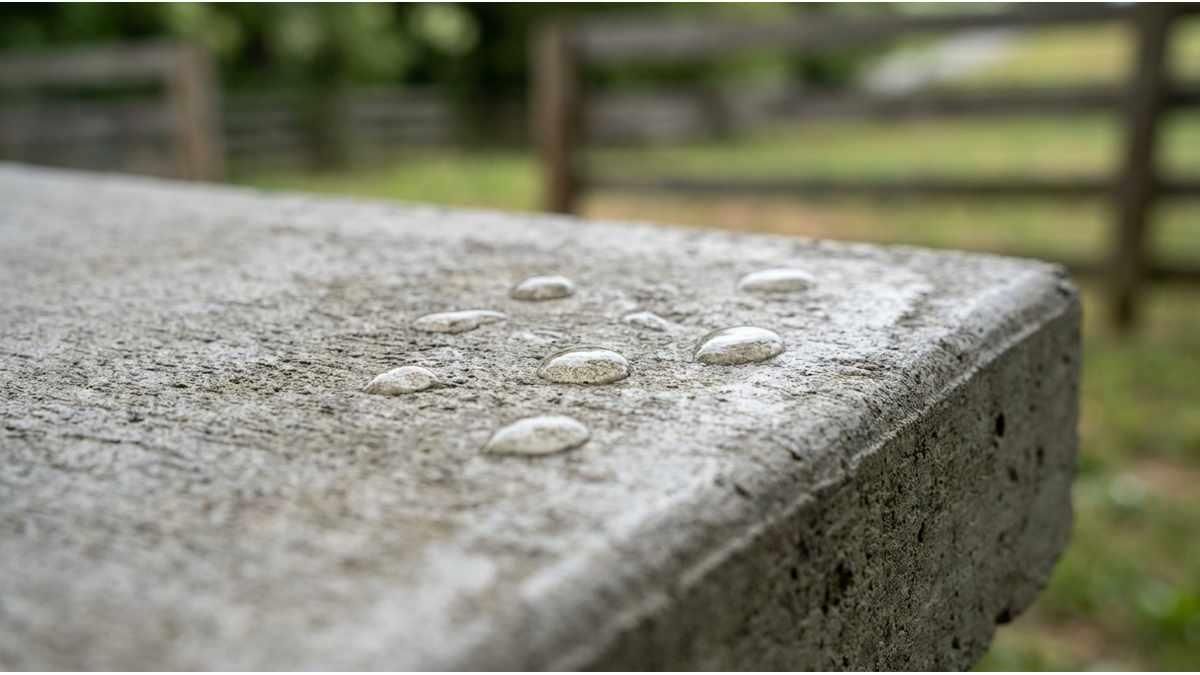
Penetrating sealers soak directly into the concrete pores instead of building a thick surface film. They are designed strictly for structural protection rather than visual resurfacing, meaning they will not hide old stains or surface wear.
Best Uses and Key Benefits
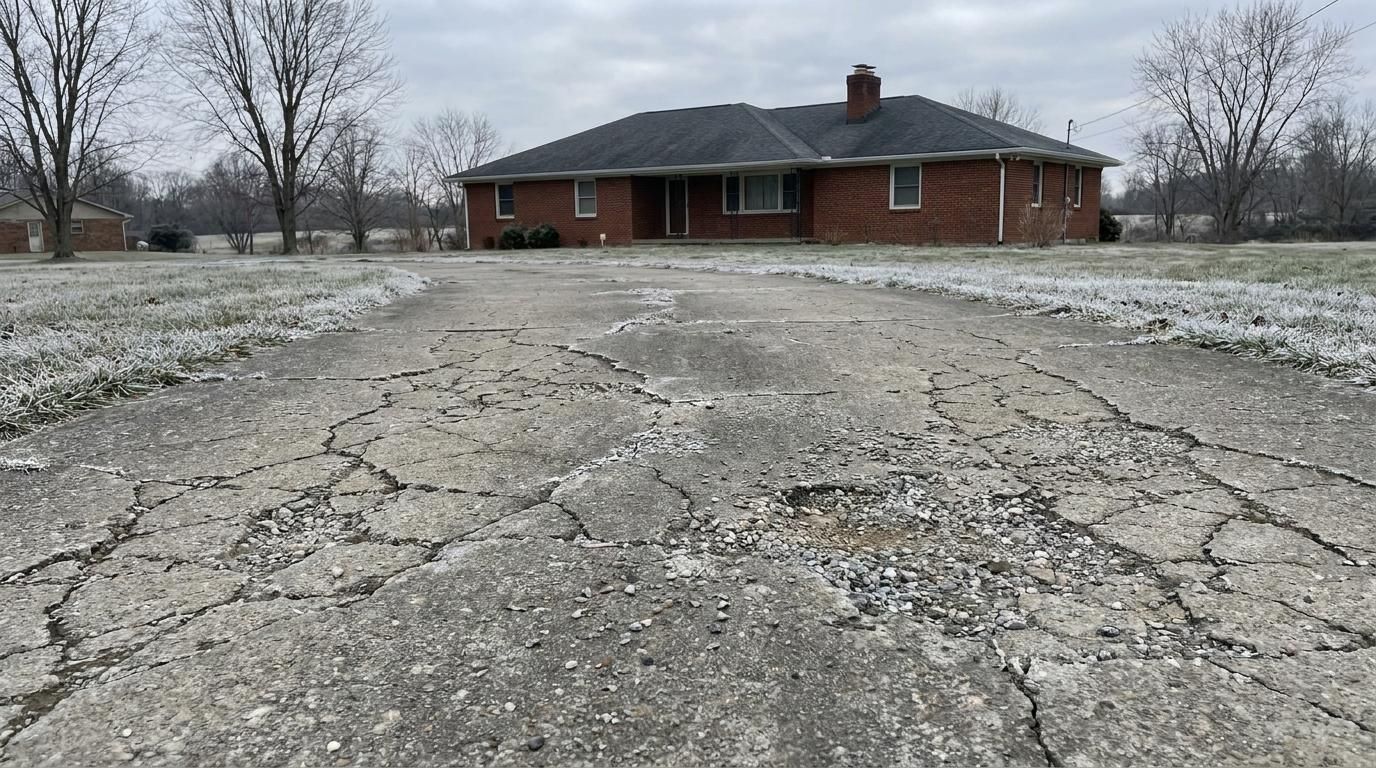
- Ideal Locations: Perfect for outdoor spaces like driveways, sidewalks, and exterior patios where reducing water entry matters more than a glossy finish.
- Natural Appearance: These products preserve the original, natural look of your concrete without adding a shiny or artificial sheen.
- Freeze-Thaw Defense: In Kentucky, unsealed concrete absorbs water which freezes, expands, and causes cracking. For example, on an exposed London driveway or walkway, a penetrating sealer cuts down water absorption before Laurel County's harsh winter freeze-thaw cycles can cause surface damage.
Important Drawbacks
- No Aesthetic Changes: They do not alter the appearance of your concrete or hide existing cosmetic flaws.
- Limited Stain Resistance: They do not offer heavy stain or chemical resistance compared to thick coatings.
- Regular Reapplication: Sun, vehicle traffic, road salt, and heavy rain slowly degrade the protection over time, requiring homeowners to reapply the sealer periodically. Knowing how long concrete sealer lasts is essential for long-term property maintenance.
Acrylic Sealers: Decorative Film With Regular Maintenance
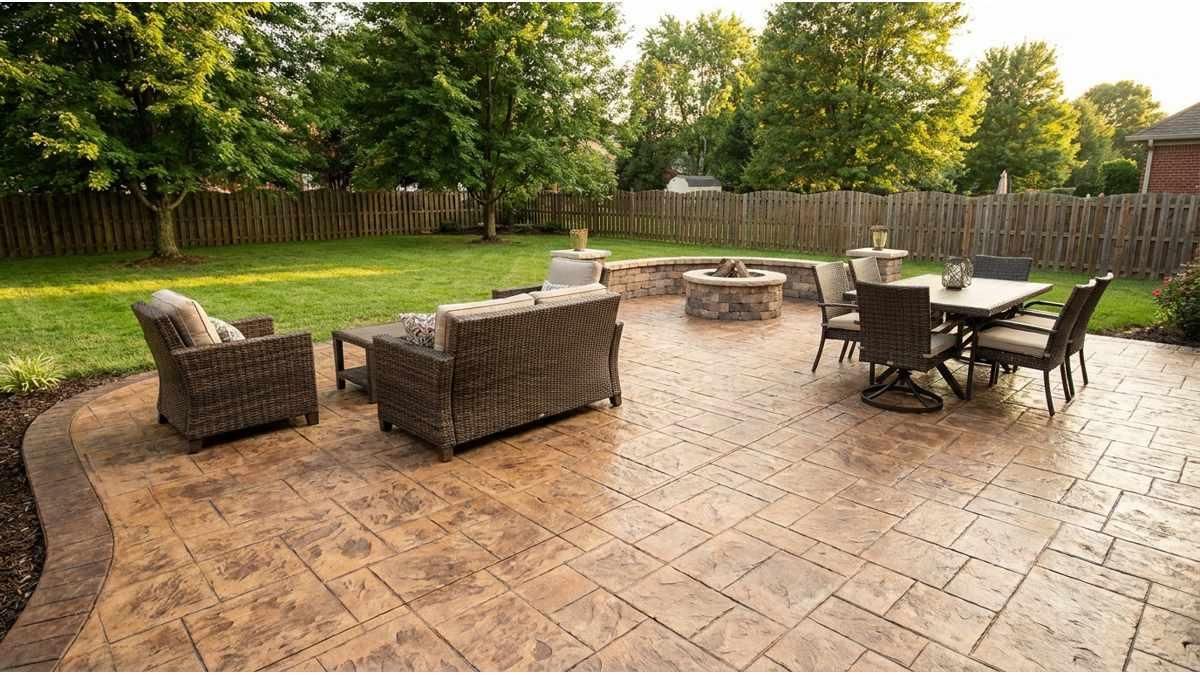
Acrylic sealers create a thin, protective film on top of your concrete. They are highly common on patios, walkways, and decorative pool decks where aesthetic appearance is the primary goal.
Best Uses and Key Benefits
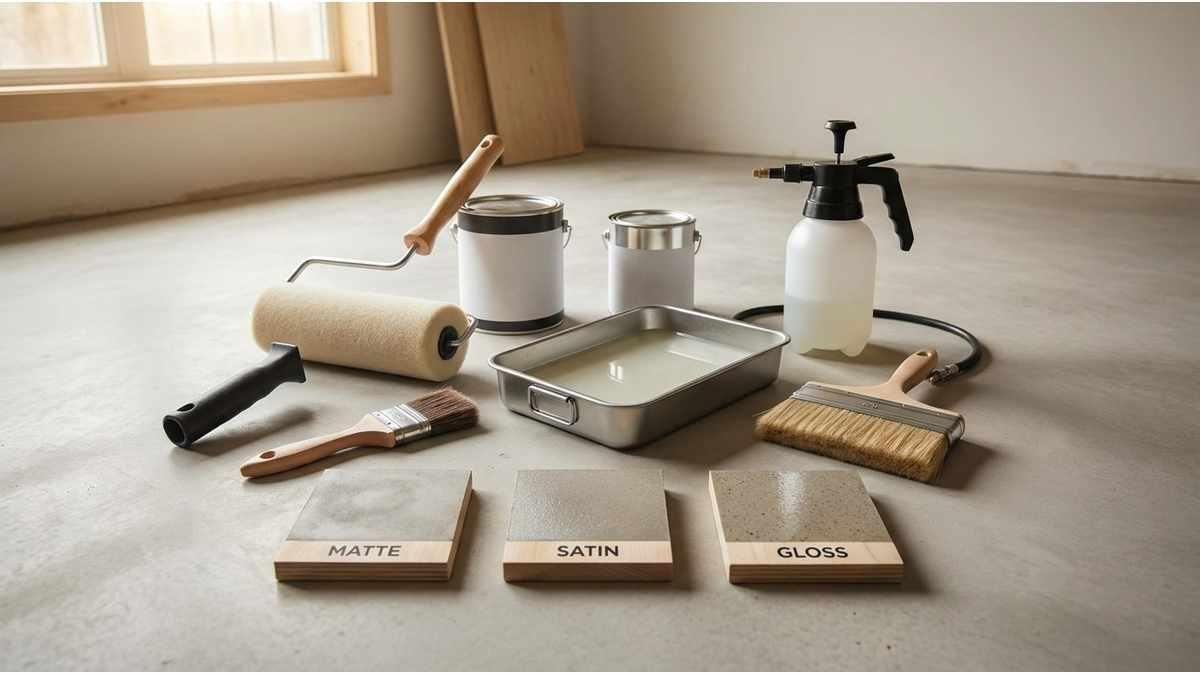
- Enhanced Visuals: Acrylics darken and enhance the natural color of concrete, add an attractive sheen, and highlight the patterns in stamped or decorative surfaces.
- Affordable Topical Protection: They provide a quick, cost-effective barrier against mild dust, dirt, and superficial wear.
Maintenance and Safety Tradeoffs
- High Upkeep: Acrylic films scratch easily and break down under UV sun rays, heavy rain, and winter conditions. Expect regular reapplication, especially near walks, porches, and driveway edges where winter road salt adds extra abrasion.
- Not Suitable for High Traffic: Acrylic is a poor fit for heavily used garages or driveways where hot vehicle tires, heavy abrasion, and automotive chemicals are common.
- Slip Hazards: These smooth films can become slick when wet from storms, pool water, or winter slush. Homeowners should always ask about adding specialized traction aggregates before sealing steps, pool areas, or sloped walkways.
Epoxy Systems: Stronger Surface Protection for Interior Concrete
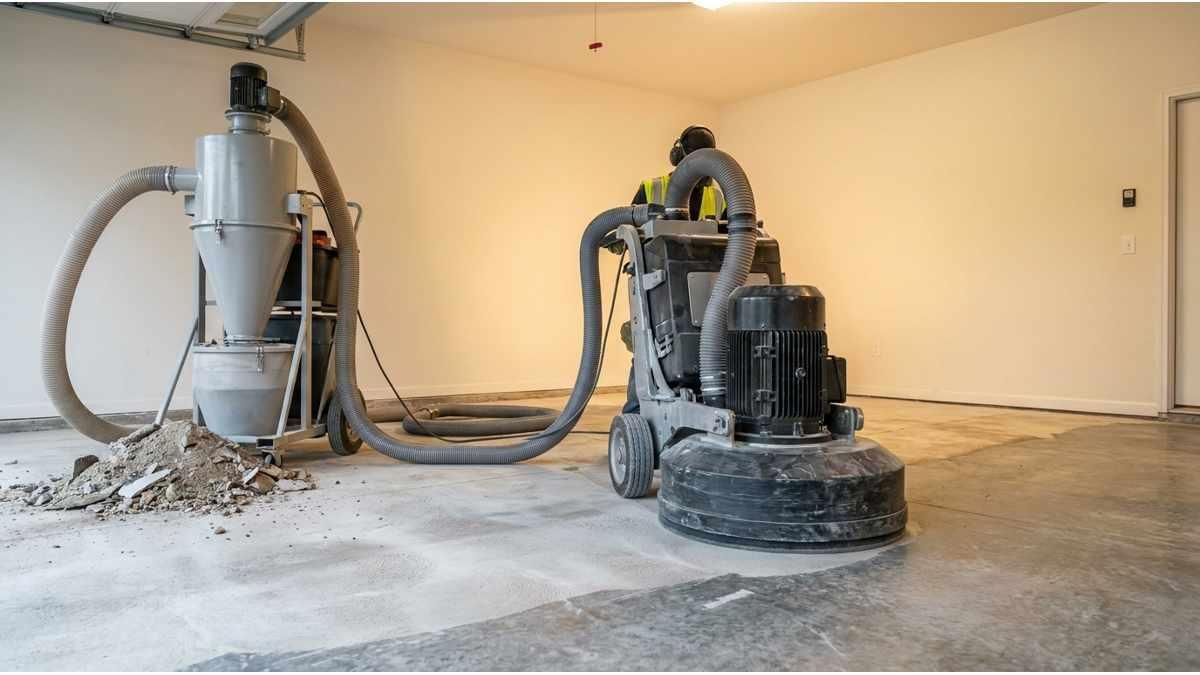
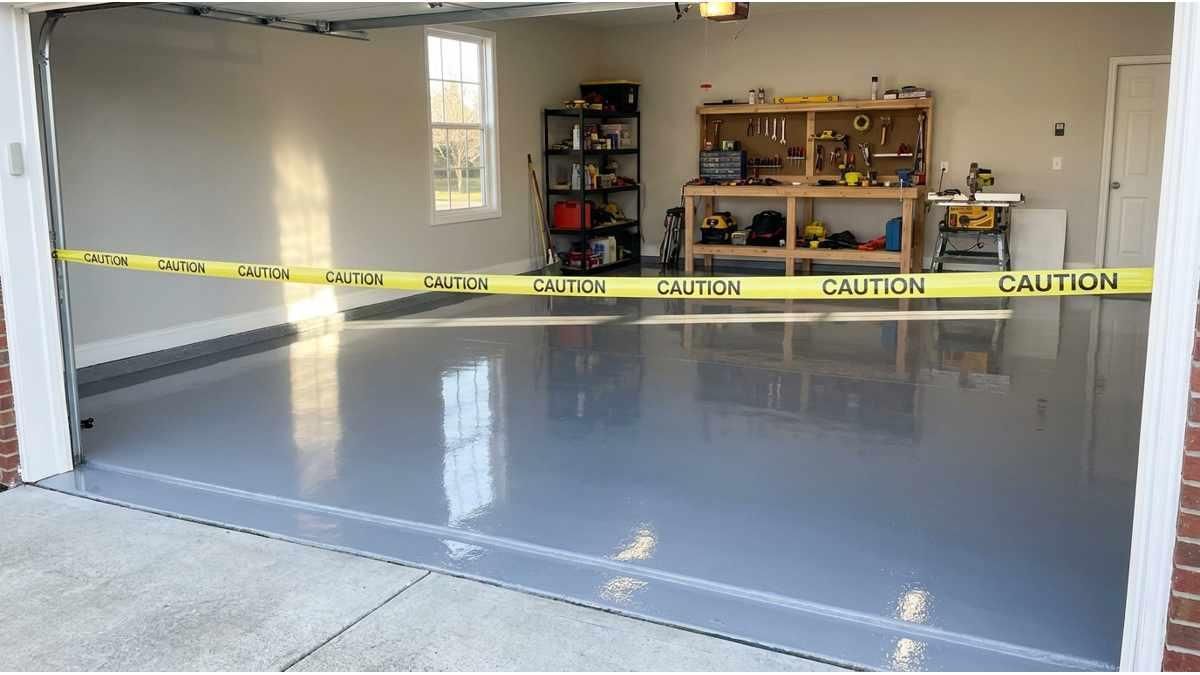
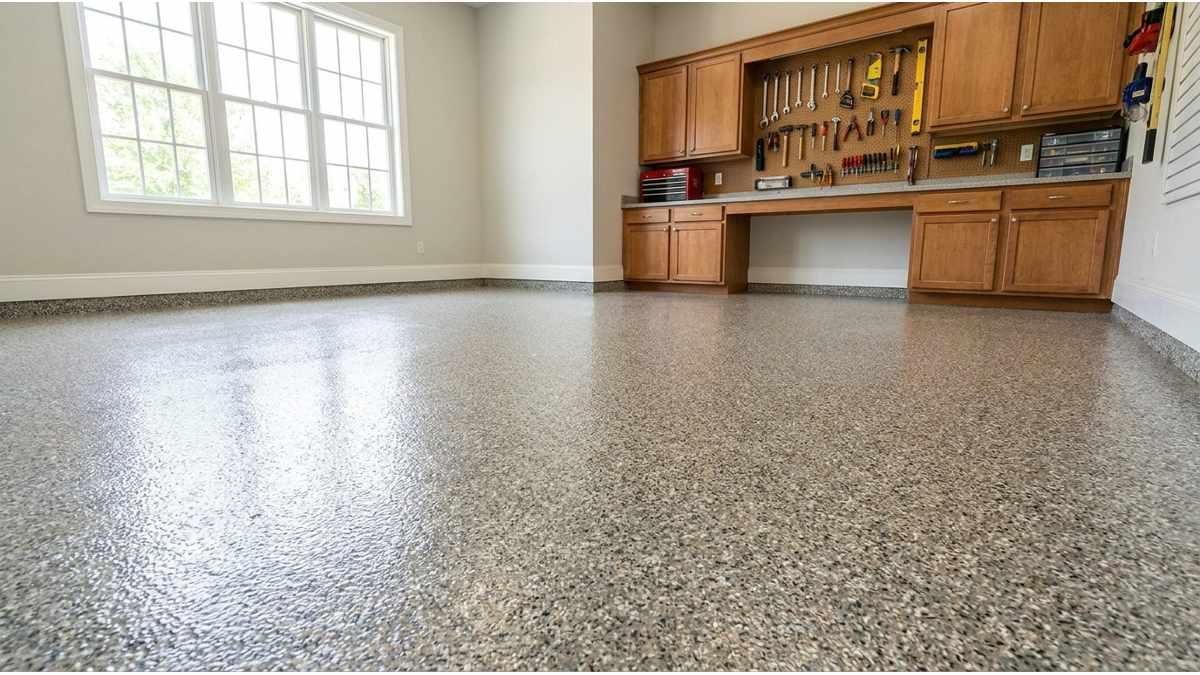
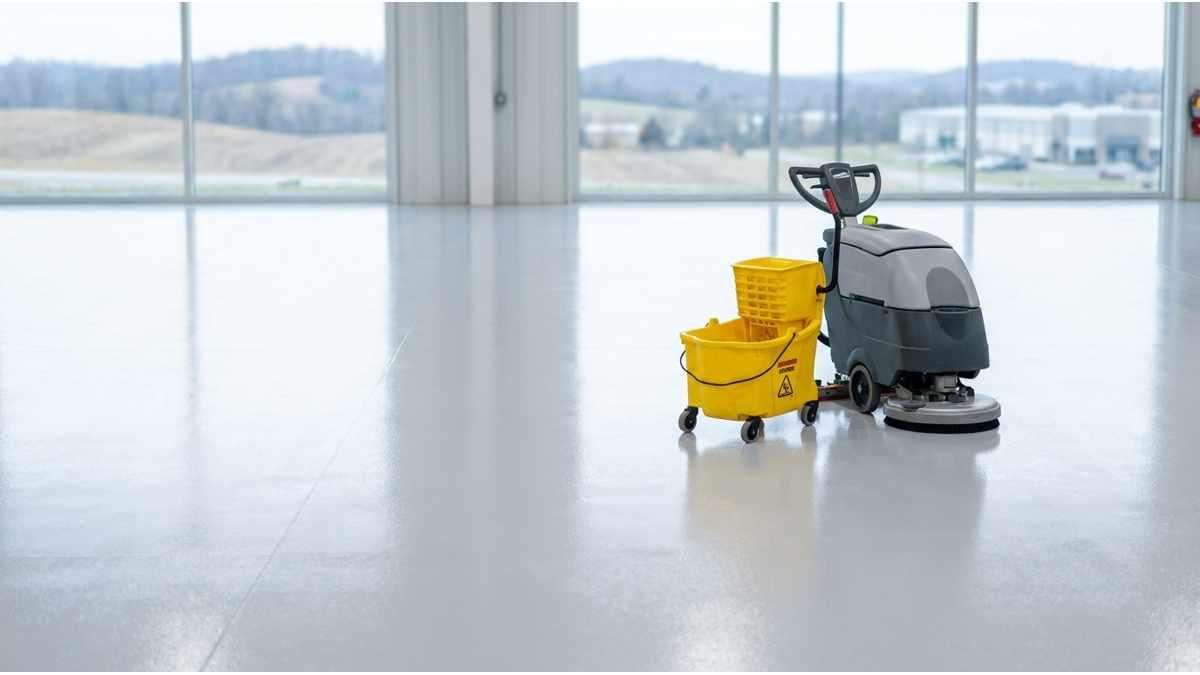
While often grouped with standard sealers, epoxy functions as a heavy-duty coating system. It creates a thick, solid polymer barrier that can be customized with decorative flakes or protective topcoats for garages, basements, workshops, and commercial spaces.
Best Uses and Key Benefits
- Extreme Durability: Epoxy systems offer industry-leading stain resistance, impact protection, and a highly polished, easy-to-clean appearance.
- Interior Optimization: Because the material requires a climate-controlled, protected environment to cure properly, it is best suited for indoor concrete slabs.
Material Alternatives and Cure Timelines
- Polyurea Upgrades: For exterior concrete with heavy UV sun exposure or projects requiring a rapid turnaround, polyurea or specialized topcoats are often recommended over standard epoxy.
- Drying Speed: Polyurea systems can fully cure in just a few hours in some settings, whereas traditional epoxy systems usually require around 24 hours to reach key cure milestones.
Why Choose KY Epoxy Flooring?
Choosing the right system requires balancing Central Kentucky's unique freeze-thaw exposure, high humidity levels, and daily use patterns.
KY Epoxy Flooring brings professional expertise to every residential and commercial project:
- Proven Reputation: Veteran-owned, family-operated, fully licensed and insured, and BBB Accredited.
- Deep Experience: Backed by more than 10 years of professional concrete coating experience across Central Kentucky.
- Eco-Friendly & Warranted: Offers safe, low-VOC material options accompanied by strong warranty protection, including a 20-year residential warranty and a 10-year commercial warranty on qualifying systems.
Frequently Asked Questions
What are the main concrete sealer types?
The main concrete sealer types are penetrating sealers (such as silanes and siloxanes), topical acrylic sealers, and high-performance film-forming coatings like epoxies and polyurethanes. Each concrete sealer type protects concrete in a different way, with penetrating sealers working deep inside the pores to repel water and chemical coatings building a hard protective barrier directly on top of the surface.
Which concrete sealer lasts the longest?
The concrete sealer that lasts the longest depends on whether the application is on an interior or exterior surface and its overall exposure to the elements. Professionally installed epoxy-style coating systems last the longest on indoor concrete surfaces, often providing a lifespan of 15 to 25 years, while high-grade penetrating silane or siloxane sealers provide the longest-lasting protection for exterior concrete by shielding against outdoor freeze-thaw cycles for up to 5 to 10 years.
Is epoxy a concrete sealer or a coating?
Epoxy is technically classified as a high-performance concrete coating system rather than a standard concrete sealer, though it is frequently grouped into the same general product family. While traditional sealers soak into the concrete pores or leave a thin breathable film, a thick epoxy coating chemically bonds to a mechanically prepared surface to build an entirely non-porous, solid protective shield over the concrete slab.
Match the Sealer to the Slab
The best sealer is the one that fits your concrete, your weather exposure, and how the surface gets used. Ask about maintenance intervals, cure timing, and reapplication before any product goes down. A short conversation upfront keeps the wrong sealer off the wrong slab. That's the difference between protection that lasts and a film that peels by spring.
For help choosing the right sealer for your Kentucky concrete, contact KY Epoxy Flooring at (859) 749-3449 .