Best Concrete Sealer for Kentucky Driveways: 5 Key Factors to Consider
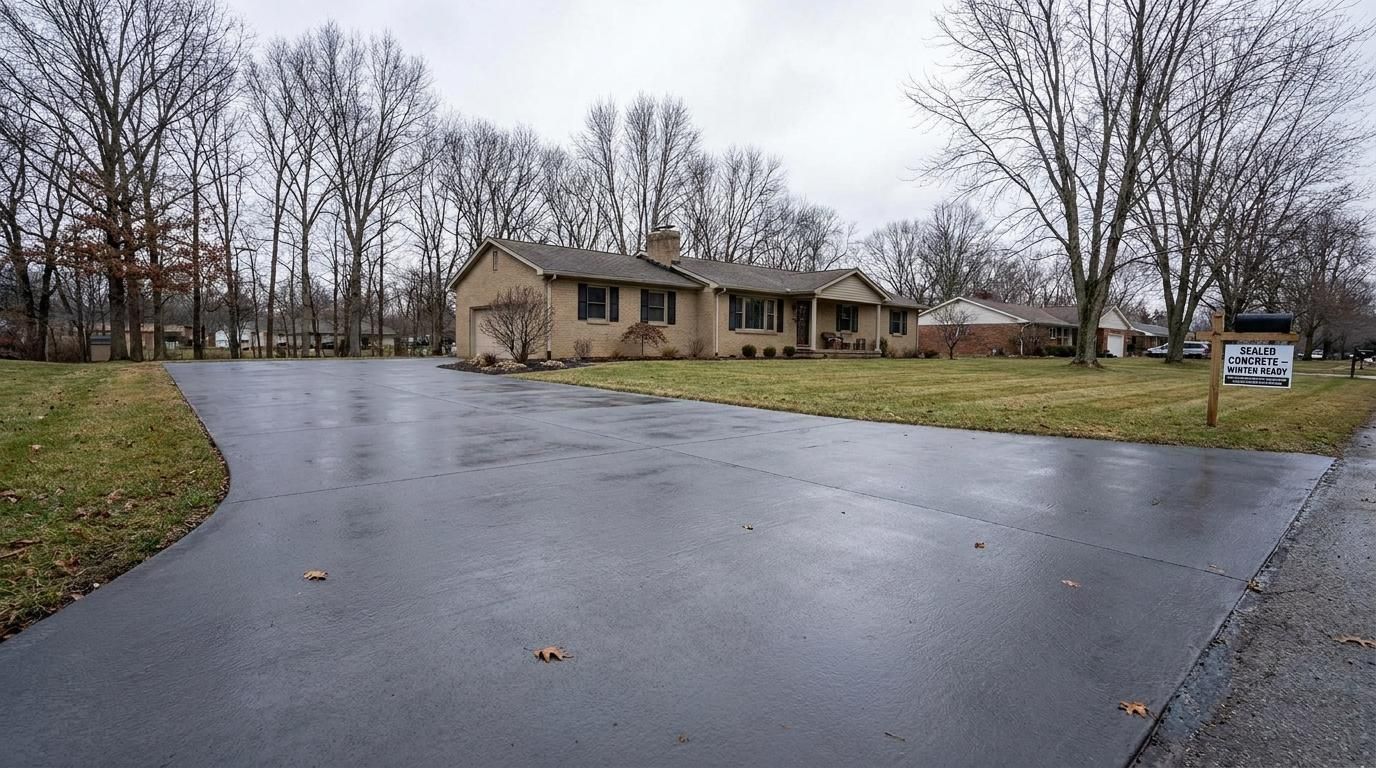
The best concrete sealer for a Kentucky driveway is a professional-grade penetrating silane or siloxane formula. These sealers reduce water absorption by over 95%, last five to ten years between applications, and don't form a surface film that wears under tire traffic or peels through freeze-thaw cycling. Topical acrylic and polyurethane sealers cost roughly the same per application but need recoating every one to three years in Kentucky's climate, which adds up to three to four times the maintenance cost over a decade.
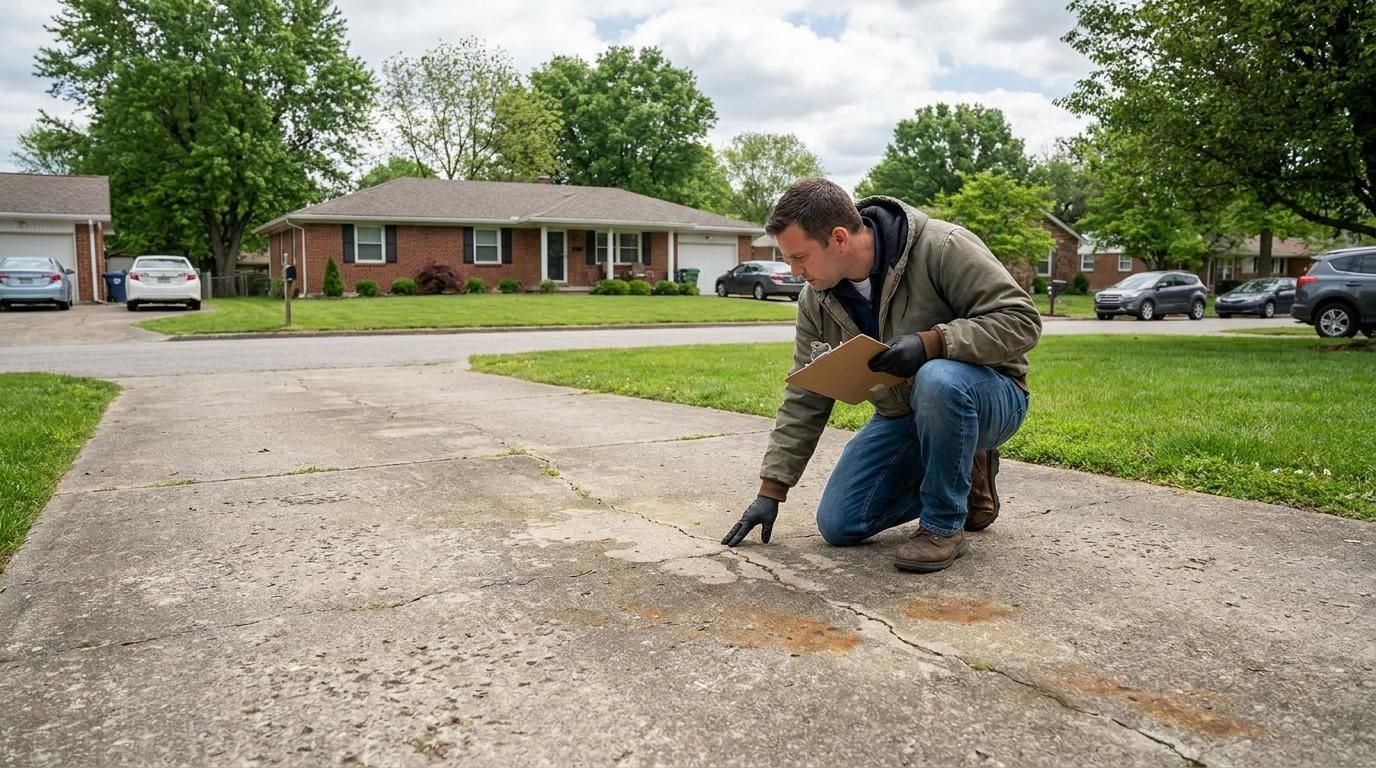
KY Epoxy Flooring has applied penetrating sealers across Central Kentucky for over a decade. We start every project with a surface assessment to determine the right formula for each driveway. The sections below cover the five factors that determine which sealer works best for your specific concrete: Kentucky's freeze-thaw cycles, sealer chemistry, concrete age and condition, application timing, and long-term cost.
Factor 1: Kentucky's Freeze-Thaw Cycles
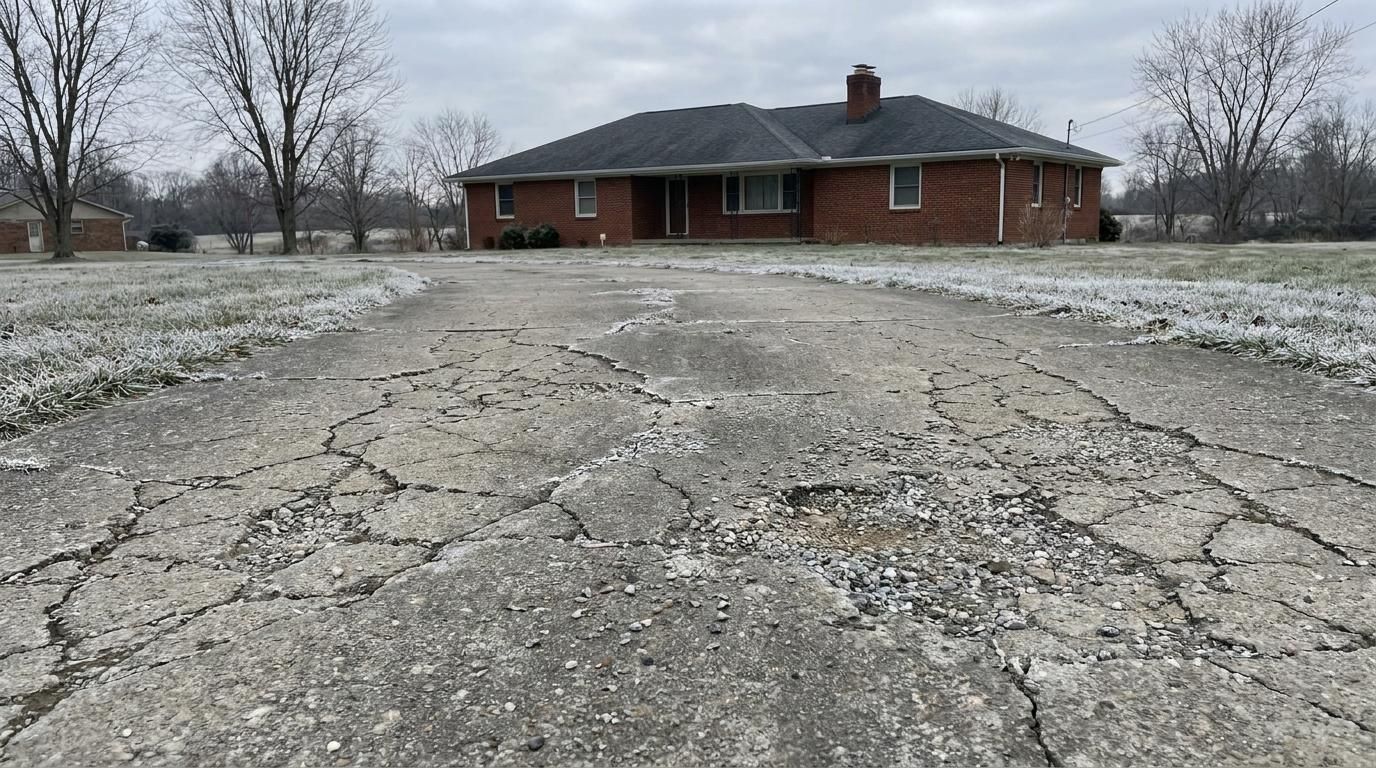
Central Kentucky experiences roughly 90 to 100 days per year where temperatures drop below freezing, according to NOAA climate data for the Lexington station. Each cycle forces water into the pores of concrete drivways where it freezes, expands by about 9%, and chips away at the surface from the inside out.
A sealer that blocks water before it enters the pore structure prevents this damage at its source. Penetrating sealers handle freeze-thaw better than topical film-formers because they work inside the concrete rather than sitting on top where tire traffic and plowing scrape them away.
Factor 2: Penetrating vs. Topical Sealers
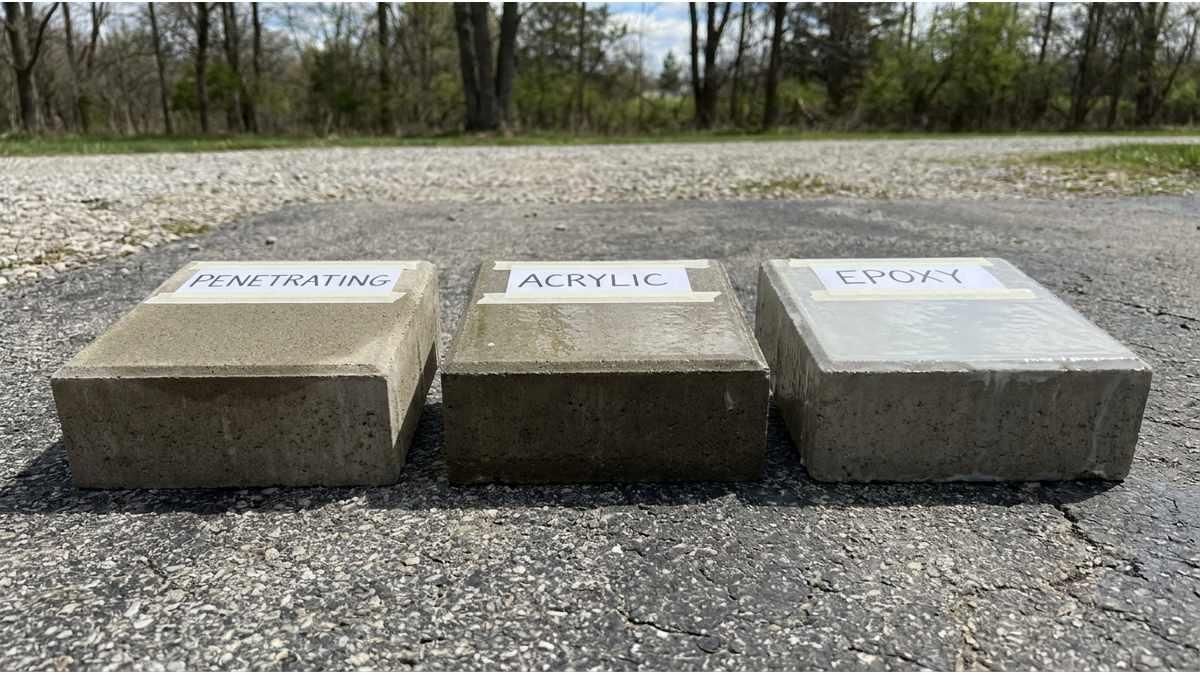
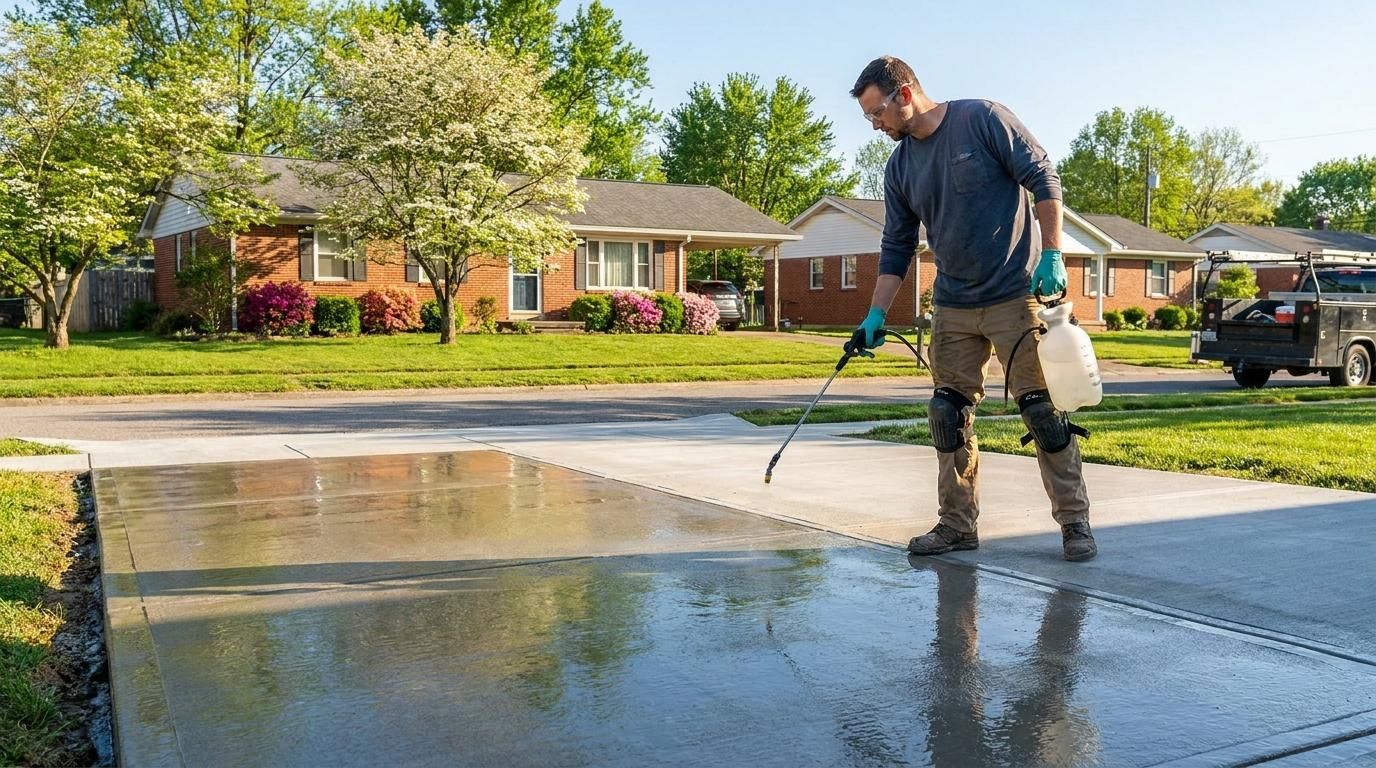
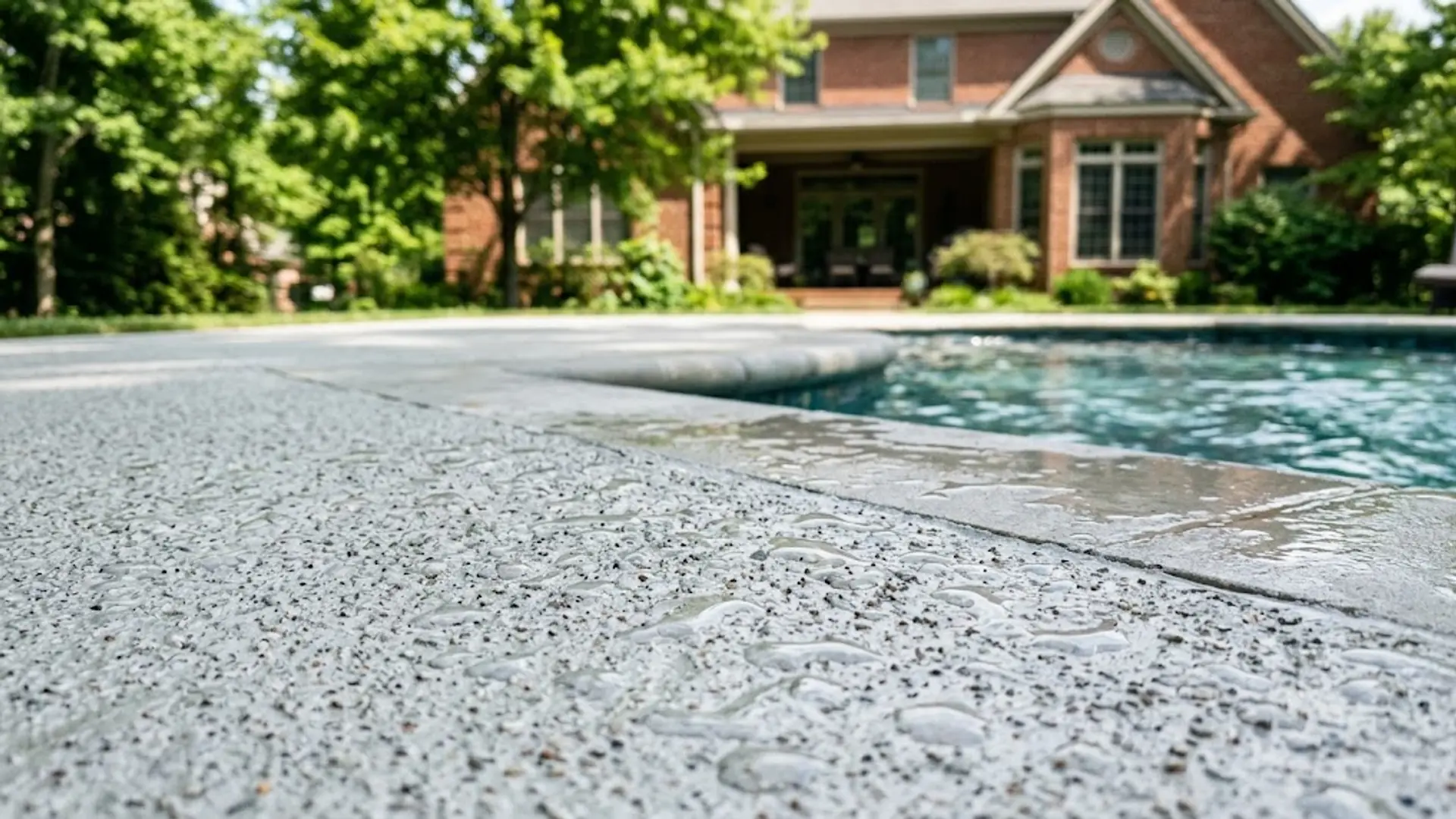
Penetrating sealers (silane and siloxane) soak into concrete and bond within the pore structure. They don't change the surface appearance and allow vapor to escape, which prevents blistering from trapped moisture.
Topical sealers (acrylic, polyurethane) form a film on the surface. They add gloss but wear under tire traffic and freeze-thaw cycling. In Kentucky's climate, trapped moisture beneath a topical film accelerates spalling rather than preventing it. KY Epoxy Flooring's concrete sealing service uses penetrating formulas for this reason.
Factor 3: Concrete Age and Surface Condition
New concrete needs at least 28 days to cure before any sealer is applied. Sealing too early traps moisture inside the slab and causes the coating to blister or peel as the concrete continues to release water vapor.
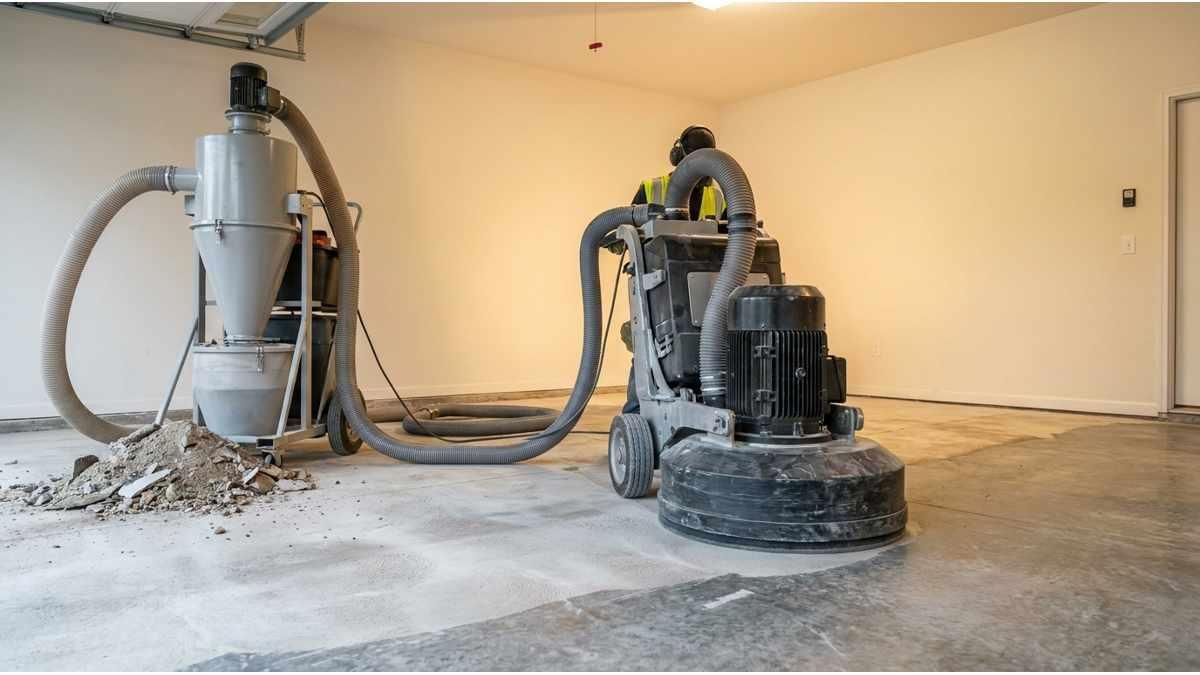
Older driveways with existing cracks, spalling, or previous sealers require different preparation. Damaged areas need patching, and old topical sealers have to be stripped before a penetrating formula can reach the pore structure. Skipping this step is the most common reason resealing fails.
Factor 4: Application Timing and Kentucky's Weather Window
The ideal application window in Kentucky runs from late April through early October, when overnight temperatures stay above 50°F and the forecast shows at least 24 hours of dry weather. Sealers need time to penetrate and cure without rain dilution or cold slowing the process.
Kentucky's humidity adds another variable. Applying during a stretch of 90%+ humidity in midsummer slows cure times and can leave hazy residue. Late spring and early fall offer the most reliable conditions.
Factor 5: Long-Term Cost and Reapplication Schedule
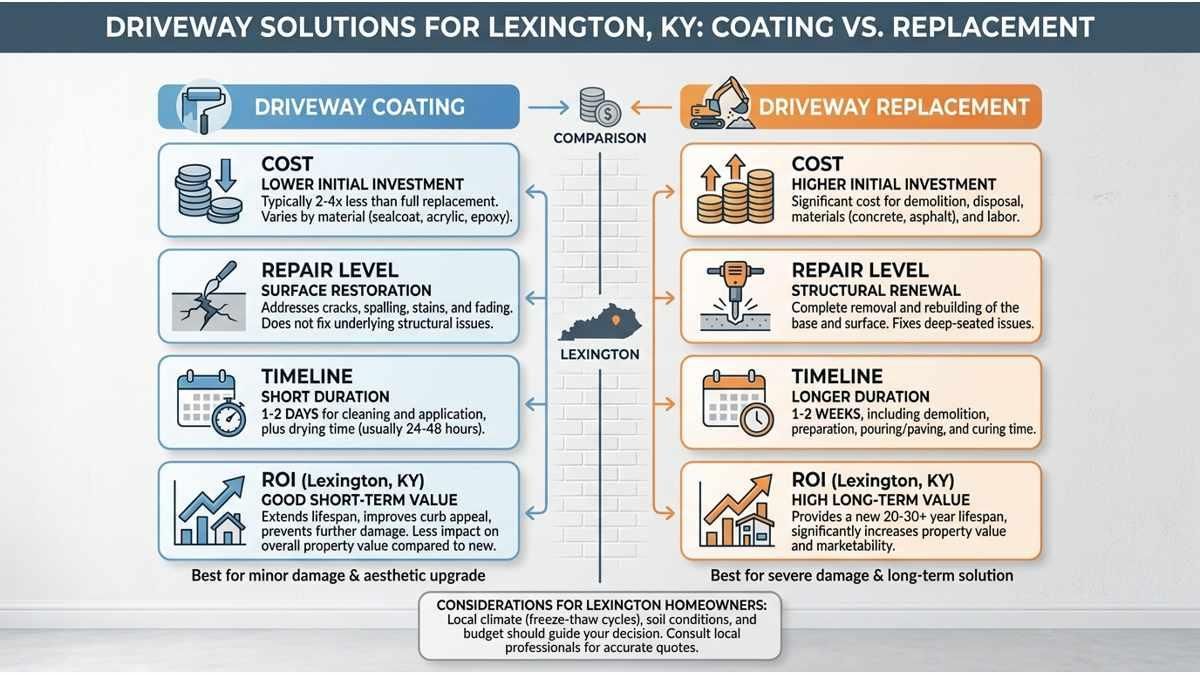
Penetrating sealers cost $1 to $3 per square foot professionally applied and typically last five to ten years. Acrylic topical sealers cost roughly the same per application but need recoating every one to three years.
Over a ten-year period, a single application of a penetrating sealer at $1,500 for a 600-square-foot driveway costs less than three to four rounds of acrylic resealing at $800 to $1,200 each. The math favors penetrating sealers before factoring in the labor and downtime of repeated applications, a calculation Stanford and Somerset homeowners often run before committing to a system.
Frequently Asked Questions
What type of concrete sealer works best on Kentucky driveways?
Penetrating silane or siloxane sealers perform best on Kentucky driveways because they block water absorption without forming a surface film that wears under tire traffic and freeze-thaw cycling. KY Epoxy Flooring uses professional-grade penetrating formulas assessed for each driveway's specific concrete condition and exposure.
How often should I reseal my concrete driveway in Kentucky?
Penetrating sealers typically last five to ten years before reapplication is needed. Acrylic and other topical sealers require resealing every one to three years. Test whether your sealer is still working by pouring water on the surface: if it absorbs instead of beading, it's time to reseal.
Can I seal my driveway myself, or should I hire a professional?
DIY sealer application is possible, but results depend entirely on surface preparation and product selection. Professional application includes pressure washing, crack repair, and moisture testing before the sealer goes down. For driveways with existing damage or failed previous sealers, professional prep prevents repeat failures.
Protect Your Driveway Before the Next Kentucky Winter
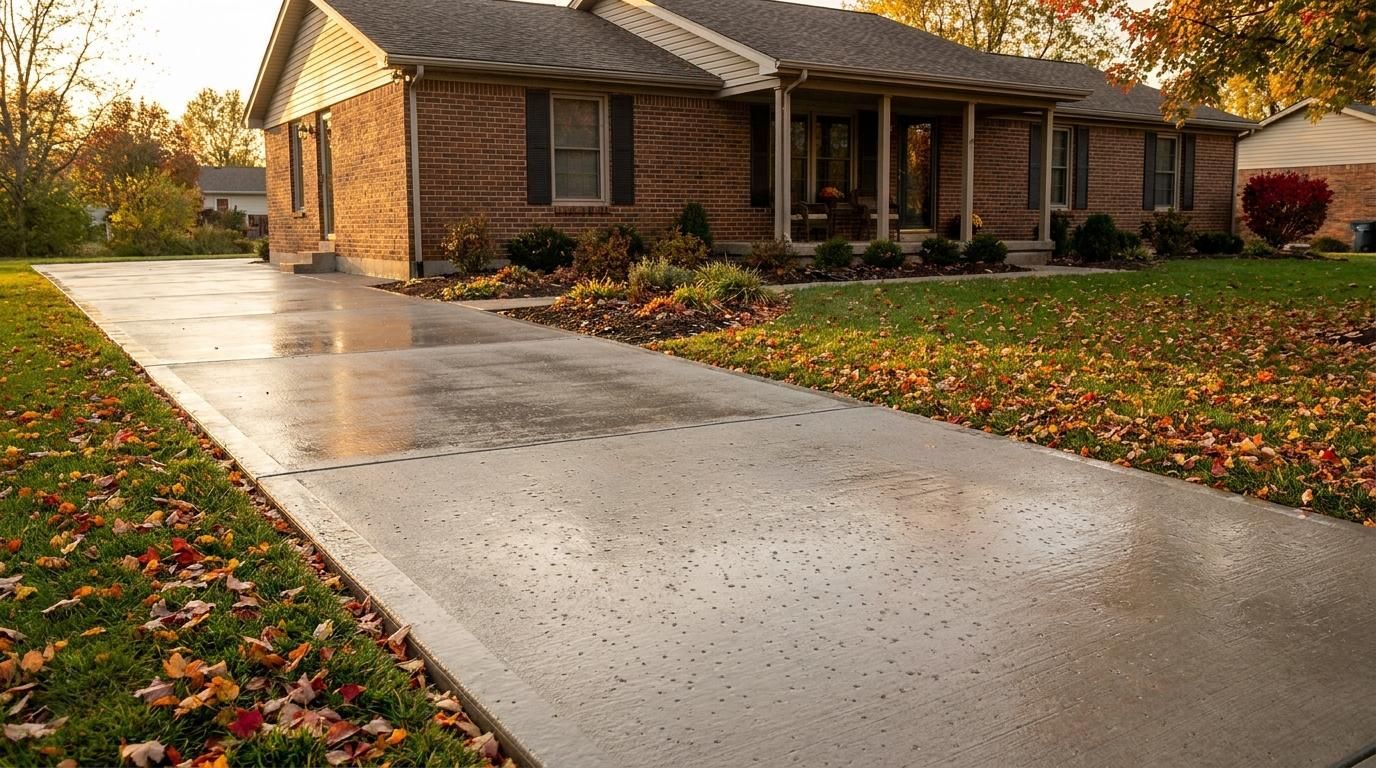
The right sealer for your driveway depends on your concrete's age, your climate exposure, and how much maintenance you want to manage over the next decade. For most Kentucky driveways, a professionally applied penetrating sealer delivers the longest protection with the fewest reapplication cycles.
Contact KY Epoxy Flooring at (859) 749-3449 to schedule a free driveway assessment. We serve Lexington and communities across Central Kentucky.