4 Top Pool Deck Resurfacing Options: Materials, Costs, and Durability Compared
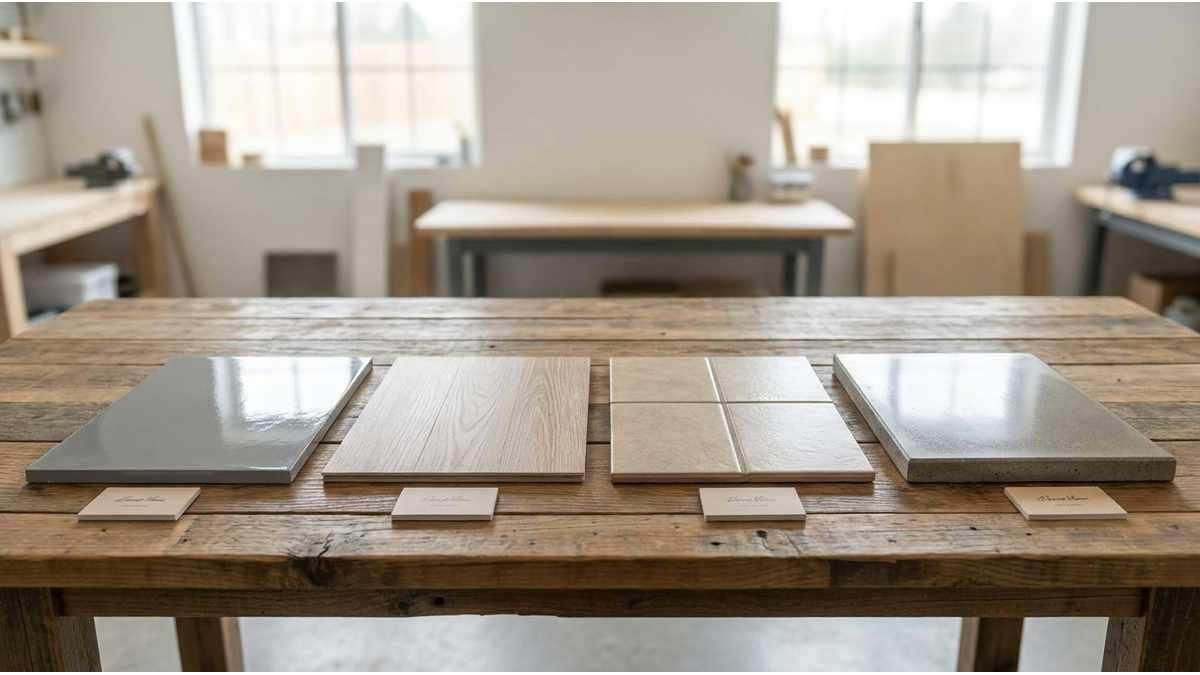
Pool deck resurfacing options include epoxy coatings, concrete overlays, acrylic cool-deck systems, and rubber surfacing, with installed costs ranging from $2 to $14 per square foot. The right choice depends on your deck's structural condition, slip-resistance needs, and maintenance tolerance.
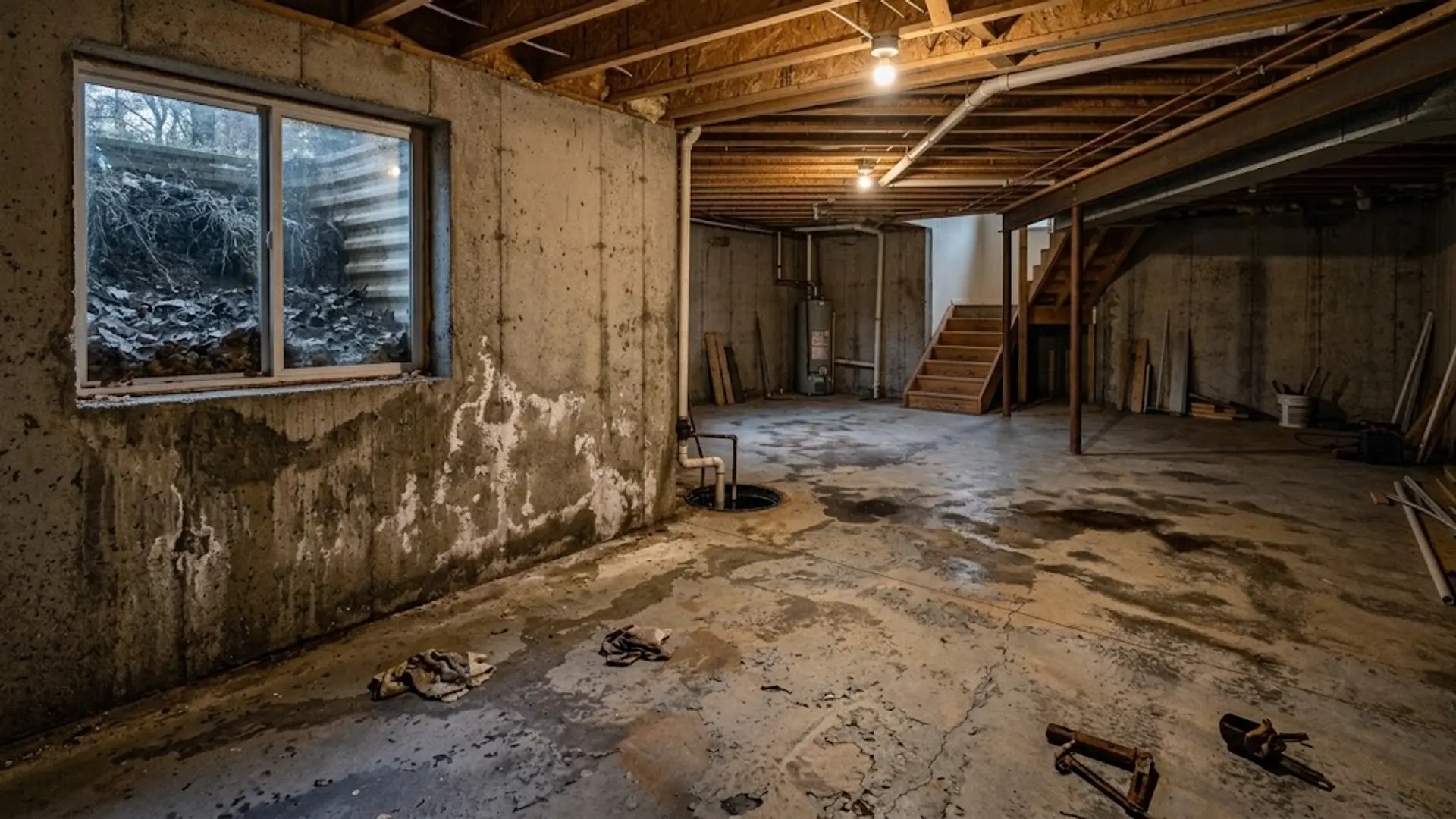
Most homeowners shopping for pool deck resurfacing focus on the surface finish, but the real decision starts underneath. A deck with stable concrete needs a different solution than one with widespread cracking, settling, or drainage problems beneath the existing surface. Getting the material wrong for your slab's condition leads to peeling within two seasons. KY Epoxy Flooring installs pool deck coatings across Central Kentucky and compares all four materials below.
Epoxy and Polyaspartic Coatings
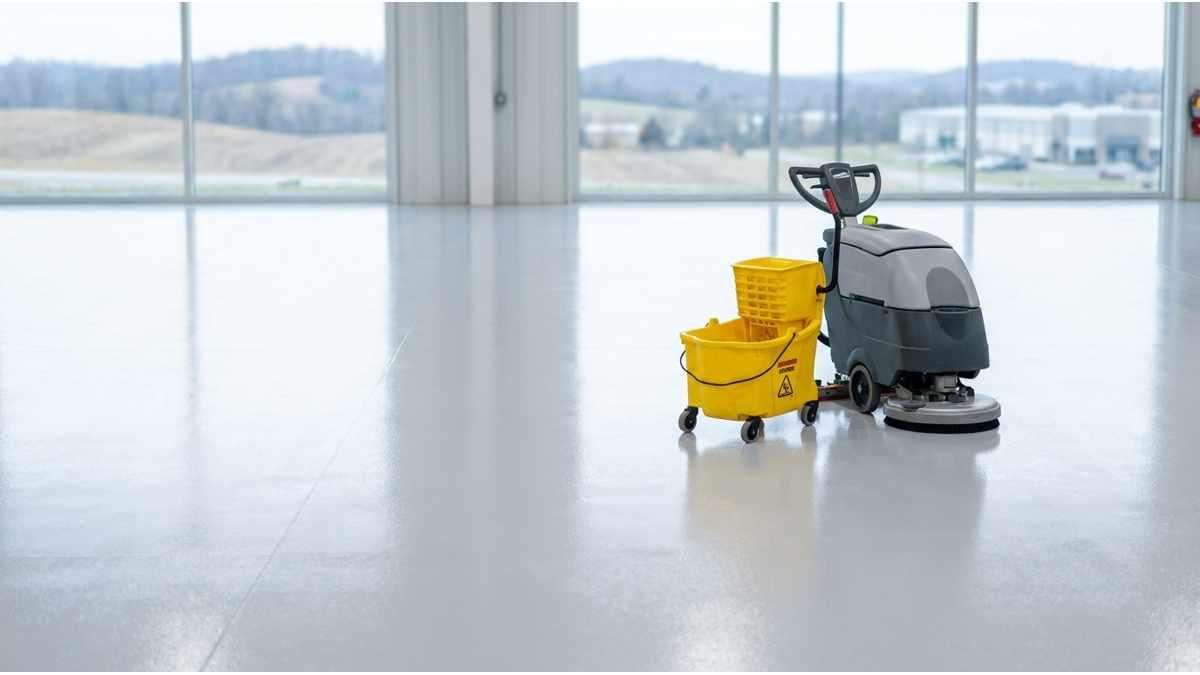
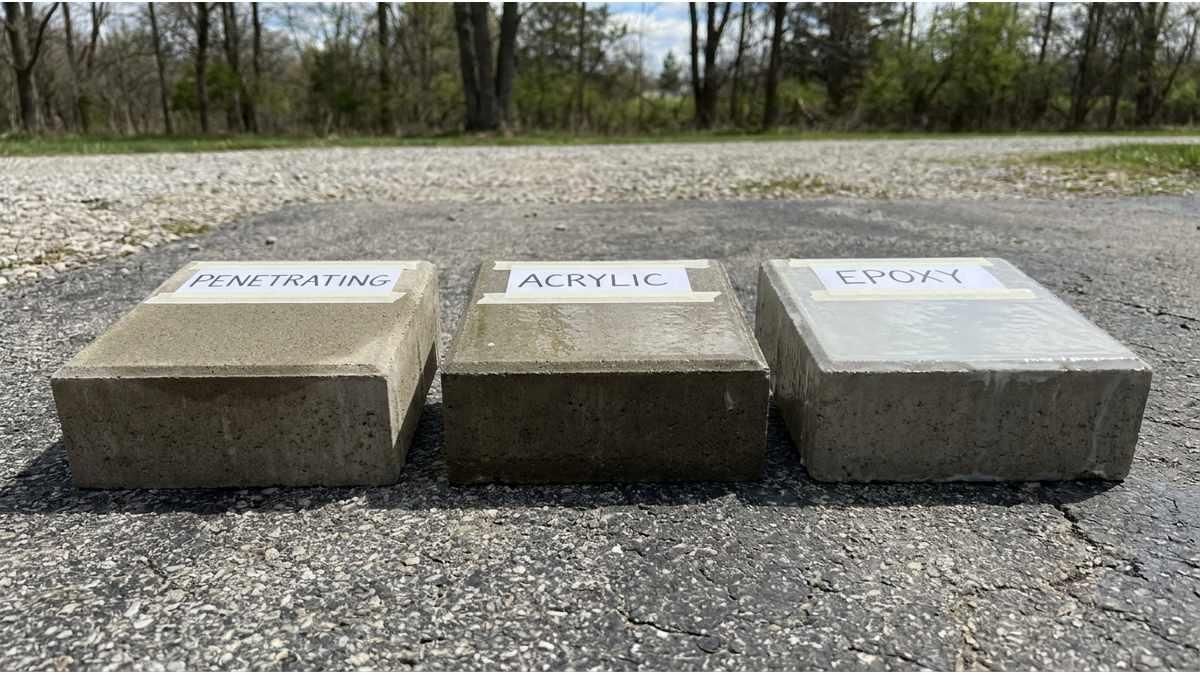
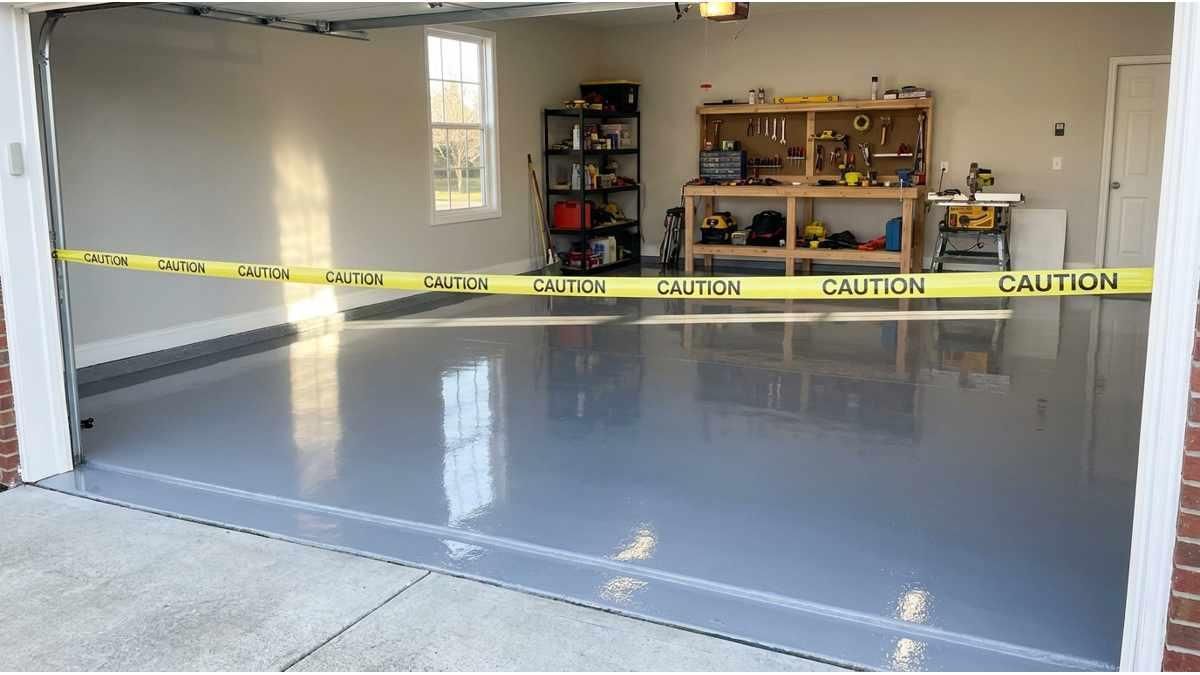
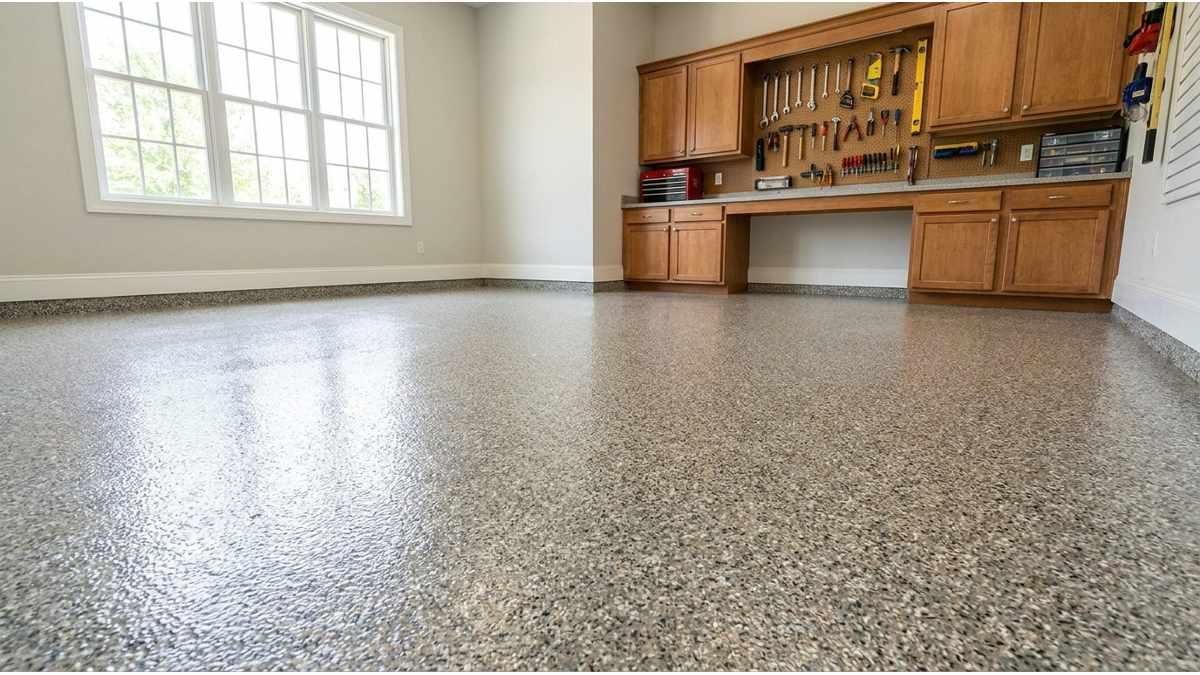
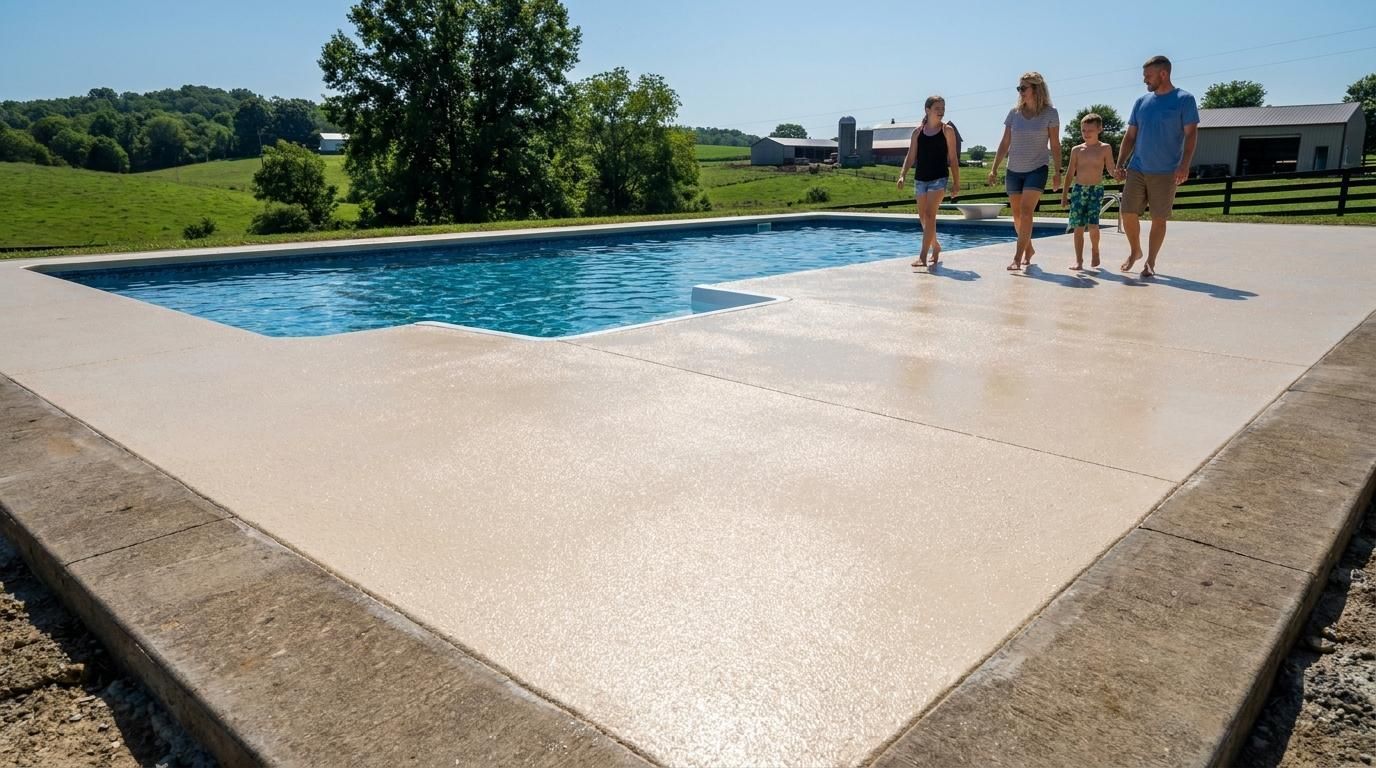
Epoxy with anti-slip additives costs $5 to $9 per square foot and bonds directly to existing concrete without adding height or changing drainage patterns. A polyaspartic topcoat adds UV stability that keeps the surface from yellowing through Kentucky's intense summer sun.
This option works best on structurally sound concrete with minor surface wear. KY Epoxy Flooring broadcasts aluminum oxide or polymer grit into the topcoat during application to create consistent wet traction around the pool. The system carries a 20-year residential warranty and handles pool chemicals, bare-foot traffic, and freeze-thaw cycling without delamination.
Concrete Resurfacing Overlays
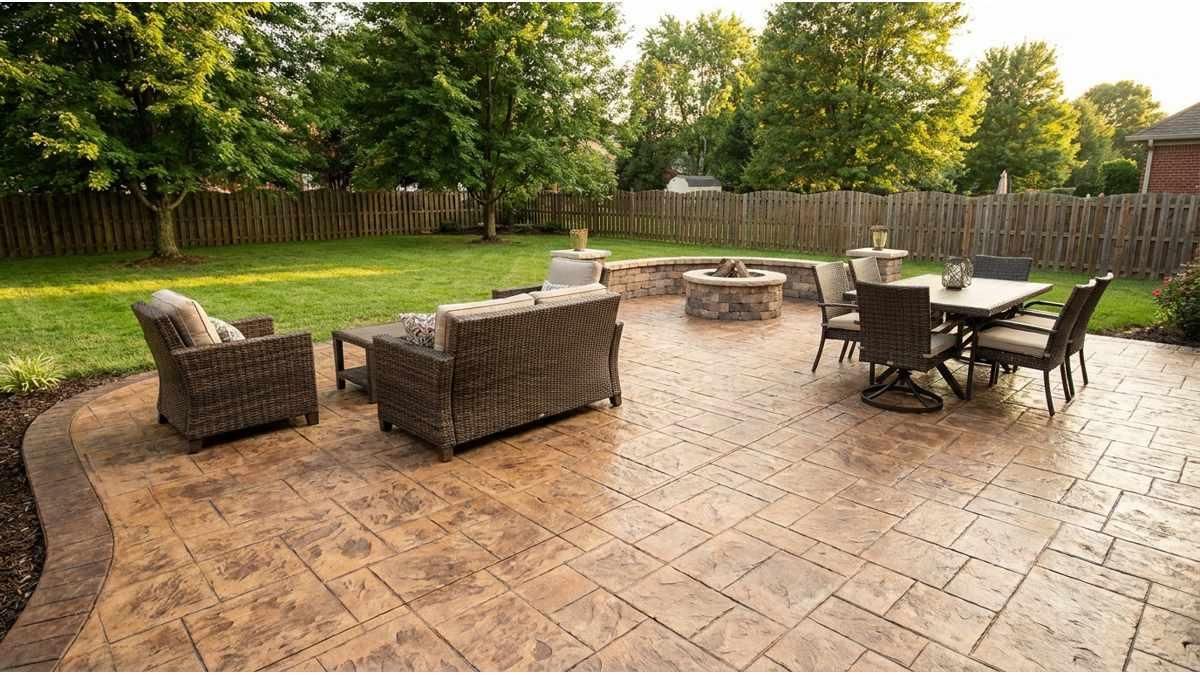
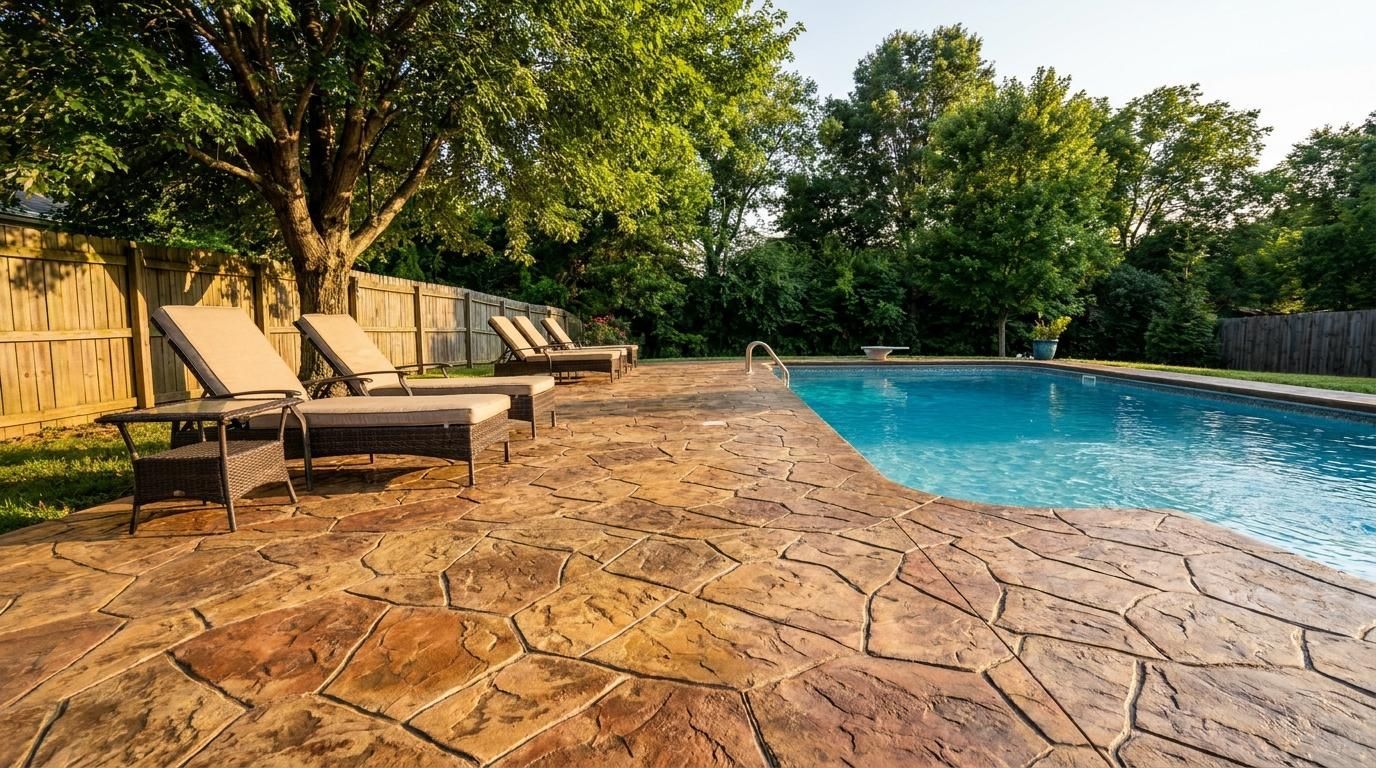
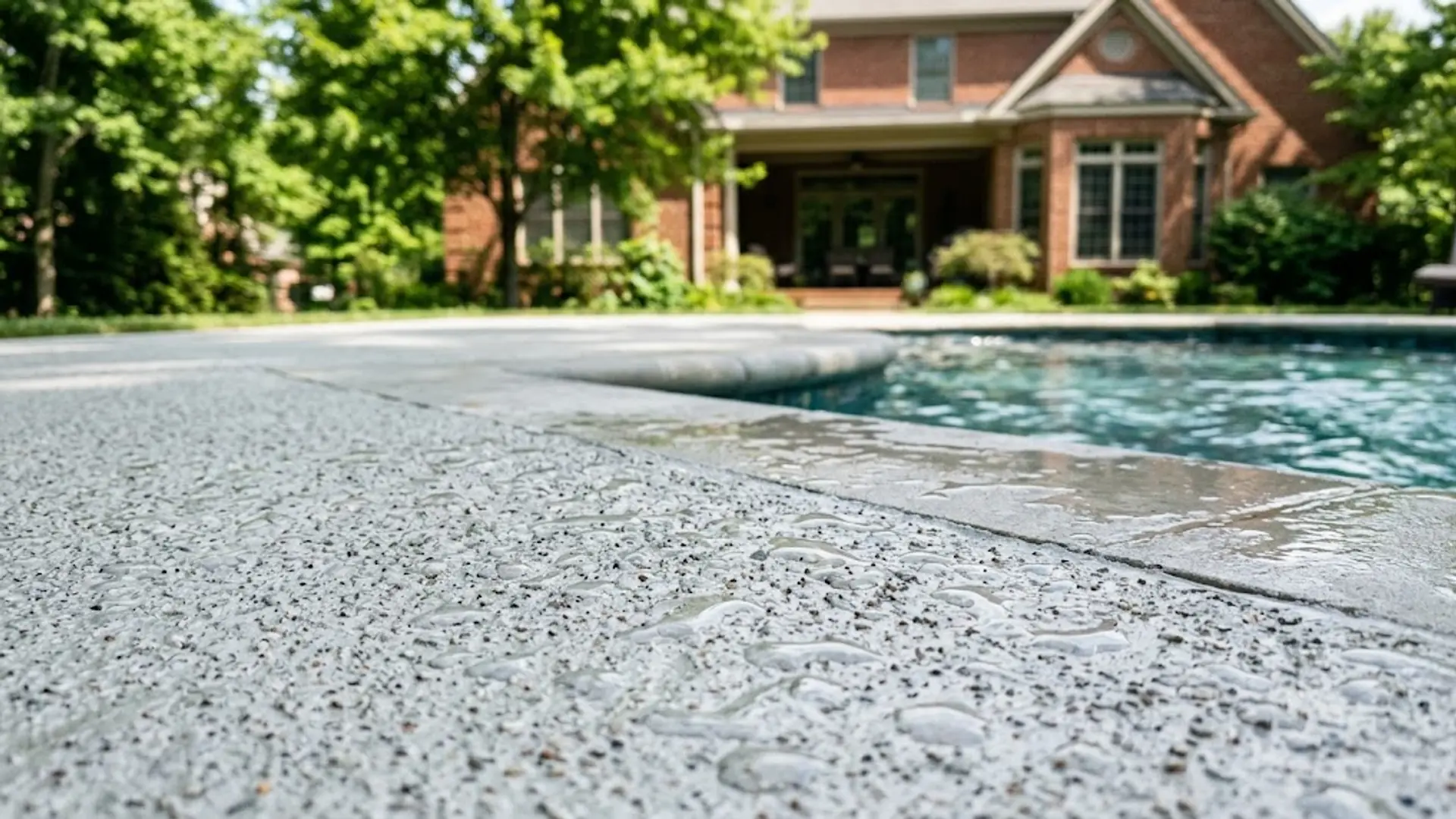
Concrete overlays, also called micro-toppings or stampable overlays, cost $3 to $12 per square foot depending on finish complexity. A thin cementitious layer is troweled over the existing deck, creating a new surface that can be stamped, stained, or textured.
Overlays work well on decks with moderate surface damage where the underlying slab is still structurally sound. They offer a wide range of decorative patterns and slip-resistant textures. The tradeoff is a shorter maintenance cycle: most overlays need resealing every two to four years in Kentucky's freeze-thaw climate, and delamination from the original concrete is the most common failure mode. If your deck needs an overlay, a concrete resurfacing specialist is the right contractor for the job.
Acrylic Cool-Deck Systems
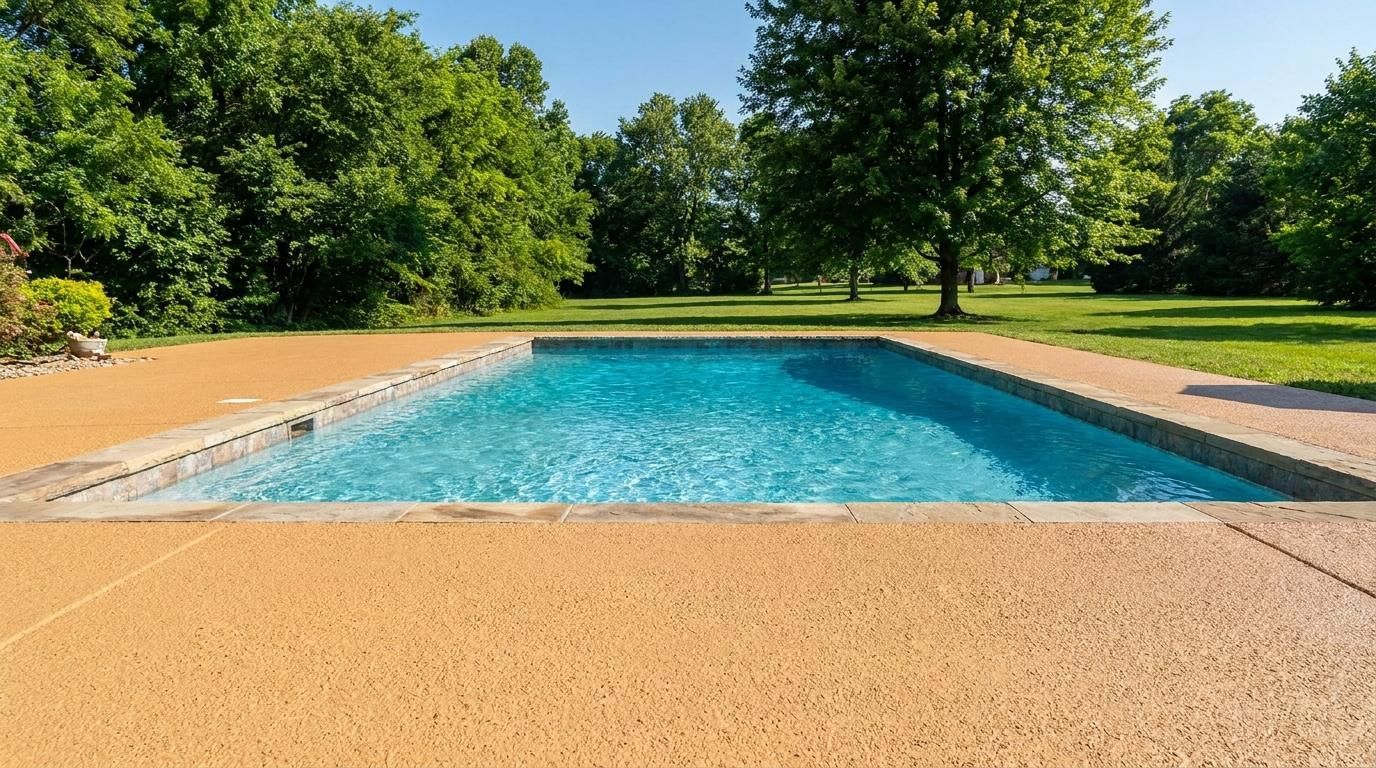
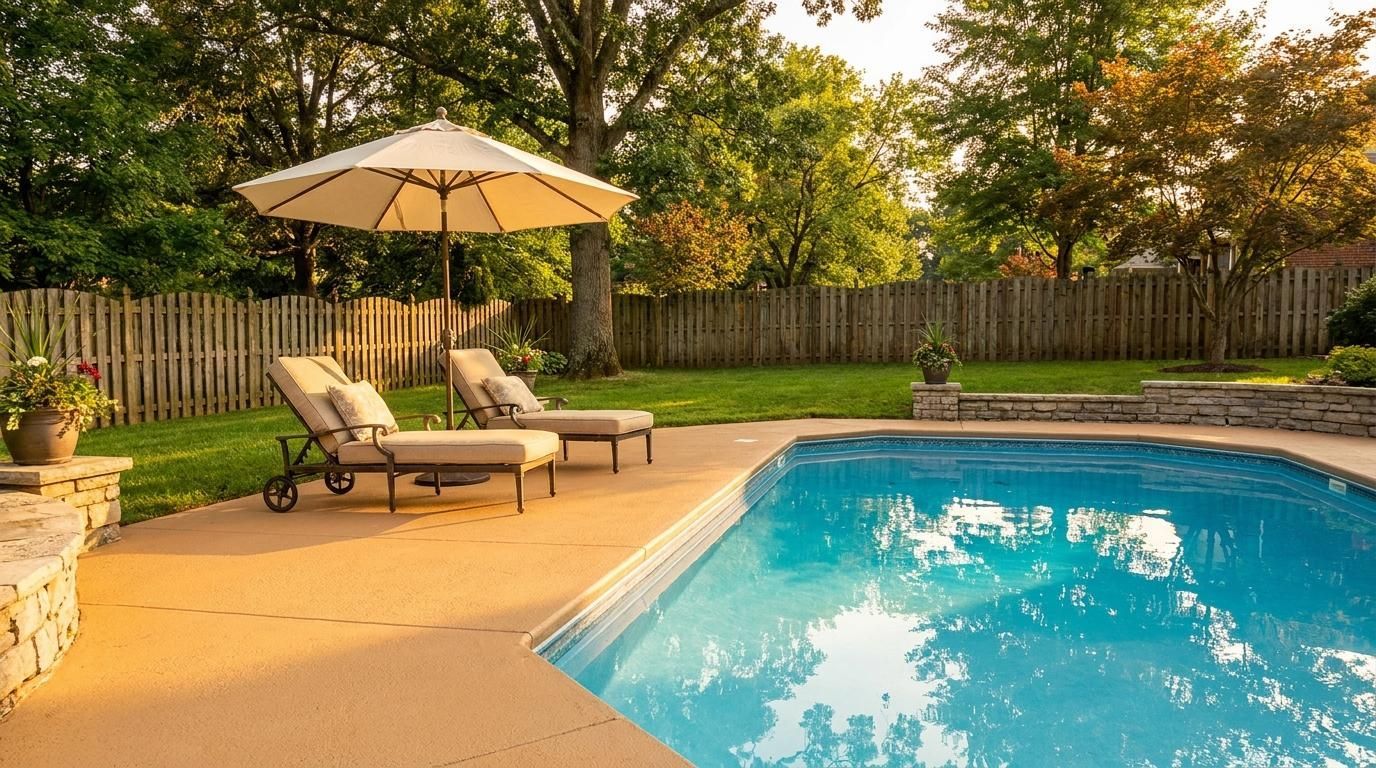
Acrylic cool-deck coatings cost $2 to $5 per square foot and lower surface temperatures by reflecting UV rather than absorbing it. On a Kentucky afternoon in July, bare concrete can reach 140°F. Cool-deck formulations typically reduce that by 20 to 30 degrees, enough to walk on barefoot without discomfort.
The lower price makes acrylics attractive for budget-conscious homeowners. The limitation is durability: acrylic coatings break down under UV and freeze-thaw cycling within one to three years in Central Kentucky, requiring more frequent reapplication than other options. A local painting or deck coating contractor can typically handle acrylic cool-deck applications.
Rubber Pool Deck Surfacing
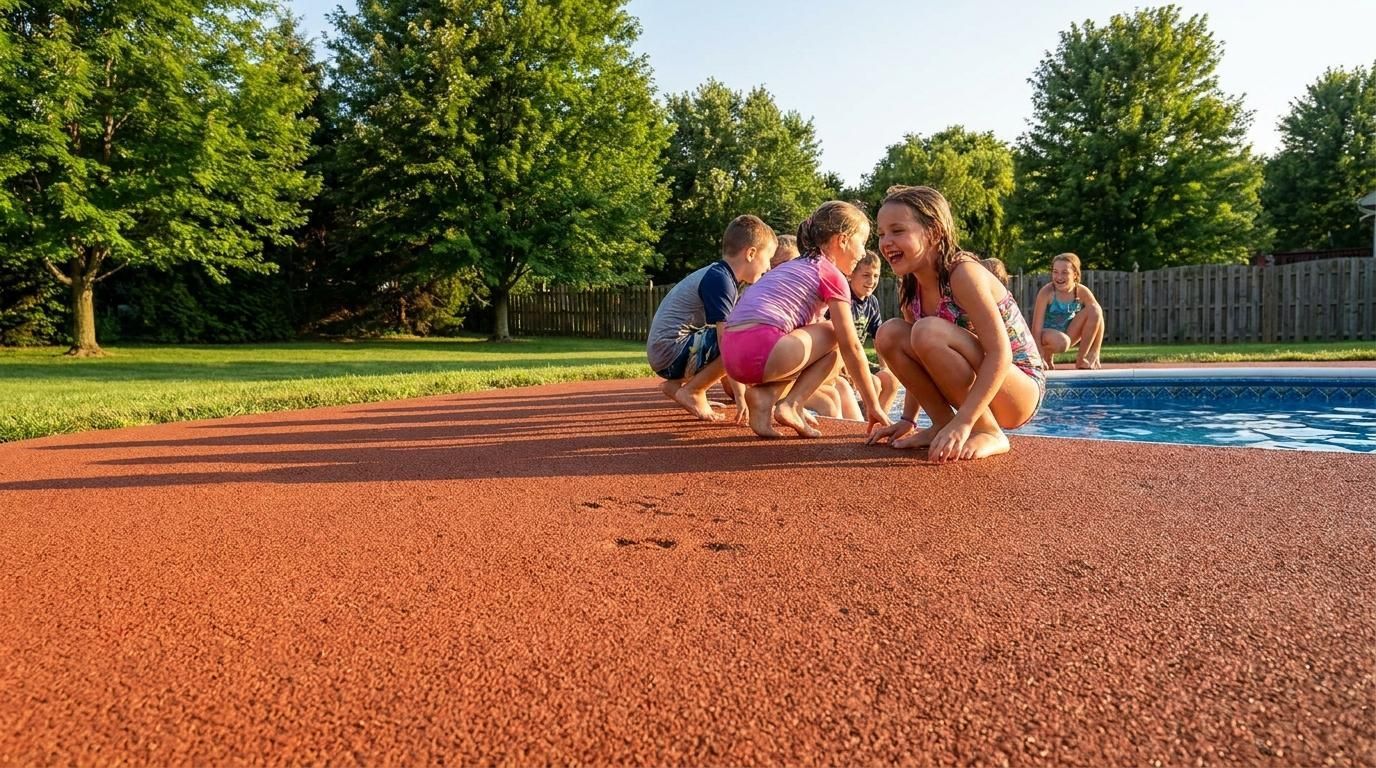
Poured-in-place rubber surfacing costs $8 to $14 per square foot and creates a cushioned, slip-resistant surface that stays cooler than concrete. Rubber absorbs impact, making it the safest option for pool areas where children run and play.
Rubber decks need minimal maintenance beyond periodic cleaning. The higher price reflects material cost and specialized installation requirements. Color options are more limited than coatings or overlays. For Somerset and Lake Cumberland-area homeowners considering rubber, a specialty sports surfacing contractor is the right resource for that installation.
Frequently Asked Questions
How long does pool deck resurfacing last in Kentucky?
Durability varies by material. Epoxy and polyaspartic coatings typically last eight to fifteen years with proper installation. Concrete overlays hold five to ten years before resealing. Acrylic cool-deck systems require reapplication every one to three years. Rubber surfacing lasts ten to fifteen years with minimal maintenance.
Can I resurface a pool deck that has existing cracks?
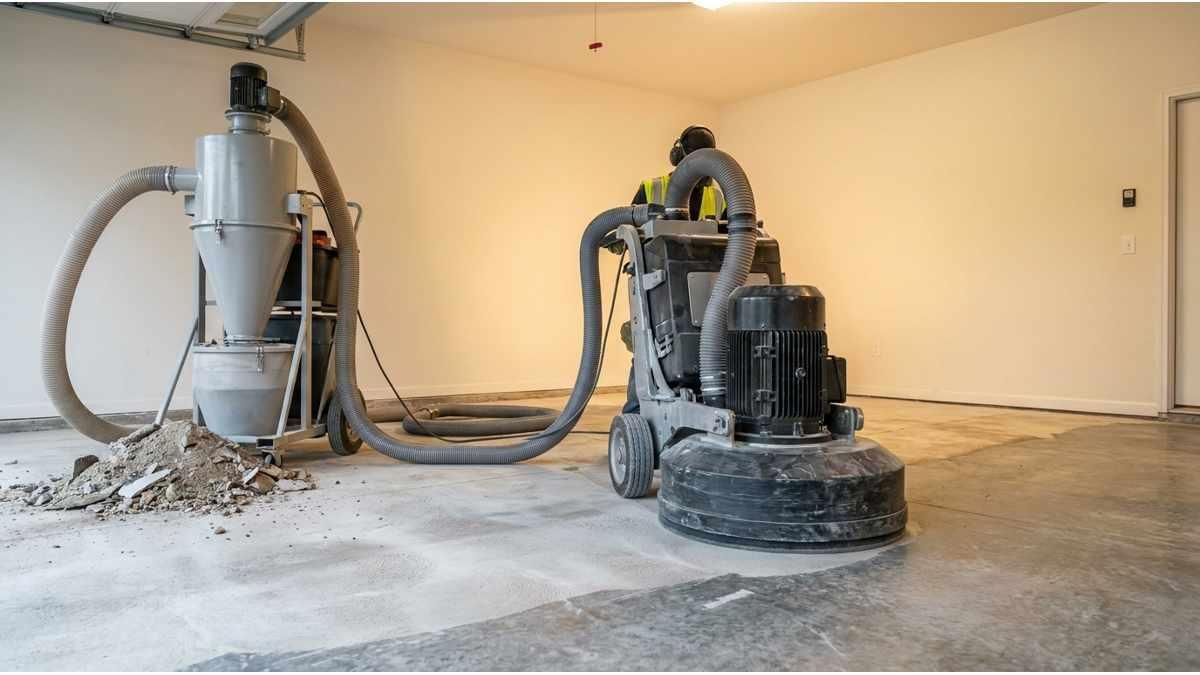
Hairline cracks can be repaired before most resurfacing options are applied. Wide structural cracks or settling indicate foundation issues that need repair before any surface treatment. KY Epoxy Flooring evaluates deck condition during a free assessment to determine which coating option fits your slab.
Which pool deck surface stays coolest in summer?
Acrylic cool-deck coatings and rubber surfacing both reduce surface temperatures significantly compared to bare concrete. Cool-deck acrylics reflect UV and lower temps by 20 to 30 degrees. Rubber stays naturally cooler because it doesn't absorb and retain heat the way concrete does.
Start With the Slab, Not the Surface
The right resurfacing material depends on what's underneath. A structurally sound deck handles epoxy or polyaspartic coatings that last 15 years. A deck with moderate surface damage is a good candidate for an overlay. Tight budgets get acrylic cool-deck systems with shorter windows between reapplications. Families prioritizing safety choose rubber surfacing. Picking the wrong material for your slab's condition is what causes peeling within two seasons, not the material itself.
KY Epoxy Flooring's specialty is epoxy and polyaspartic pool deck coatings, backed by a 20-year residential warranty. We don't install overlays, acrylic cool-deck systems, or rubber surfacing, however, our free deck assessments help homeowners decide whether a coating is the right fit before they invest.
Contact us at (859) 749-3449 to schedule before swim season.