

Commercial Epoxy Floor Maintenance: How to Clean and Protect Your Kentucky Business Floors

Jimmy Miller • June 29, 2026

Commercial epoxy floor maintenance keeps coated concrete safer, cleaner, and better-looking under daily business traffic. It's what determines whether a floor reaches the end of its warranty in good shape. KY Epoxy Flooring installs commercial concrete coatings for Kentucky facilities and backs qualifying commercial systems with a 10-year warranty, but long-term performance still depends on routine cleaning and smart protection.

A commercial floor works hard every shift, so it needs a maintenance plan built around the building. The section that follow describe how to build a cleaning schedule around your traffic, how to prevent the damage that's easiest to avoid, and how to inspect, document, and repair early before small problems spread.

Build a Cleaning Schedule Around Traffic

Your cleaning frequency must align directly with daily activity levels. A restaurant kitchen, retail backroom, warehouse aisle, auto shop, and veterinary space all require completely different operational approaches.

For example, a busy Louisville warehouse or distribution floor with heavy forklift lanes and constant rolling loads sits at the absolute high end of this spectrum, demanding far more frequent attention than a low-traffic retail backroom. The more abrasive grit, grease, liquids, and heavy traffic your floor experiences, the more often it must be cleaned.

  • Daily Debris Removal: Dust mopping or sweeping daily removes abrasive grit before it can scratch and prematurely wear down the protective topcoat.
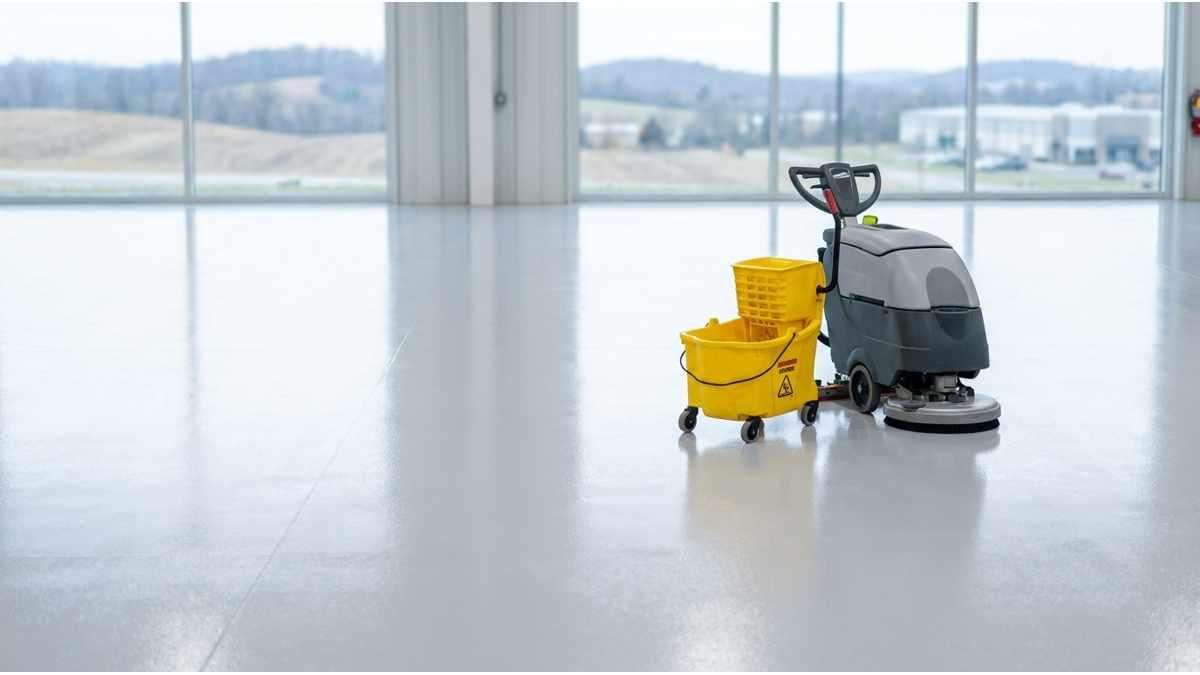
  • Routine Wet Cleaning: Mopping or auto-scrubbing removes oily residues and fine dust that make the floor look dull or feel slick.
  • Chemical Selection: Use only mild, pH-neutral cleaners specifically recommended for resinous surfaces. Avoid harsh chemical solvents unless explicitly approved by your installer, as strong chemicals will permanently strip the finish. While selecting low-VOC coating materials improves your indoor air quality planning, your everyday cleaning chemicals still require careful review.
  • Large-Scale Equipment: For larger facilities, an automatic floor scrubber increases efficiency. Ensure staff use soft white or red cleaning pads, as aggressive black stripping pads will scratch the surface.
  • Food Service Operations: Facilities managing food preparation should review the strict sanitary guidelines for epoxy flooring for restaurants, particularly in zones where grease accumulation, thermal shock, and rigorous health inspection standards matter most. Providing written cleaning protocols ensures staff maintain consistency across all shifts.

Prevent Damage Before It Starts

Proactive physical protection is just as vital as everyday cleaning. Maintaining your floor means actively shielding the polymer barrier from predictable mechanical and environmental stress:

  • Implement Entry Matting: Place heavy-duty walk-off mats at all exterior entrances to trap road salt, winter grit, and moisture before it ever reaches your main commercial floor.
  • Shield Equipment Baselines: Add thick rubber or neoprene pads under vibrating, stationary, or heavy industrial machinery to distribute weight and prevent point-load cracking.
  • Enforce Safe Material Handling: Train warehouse crews to avoid dragging wooden pallets, metal storage racks, or sharp machinery parts directly across the floor.
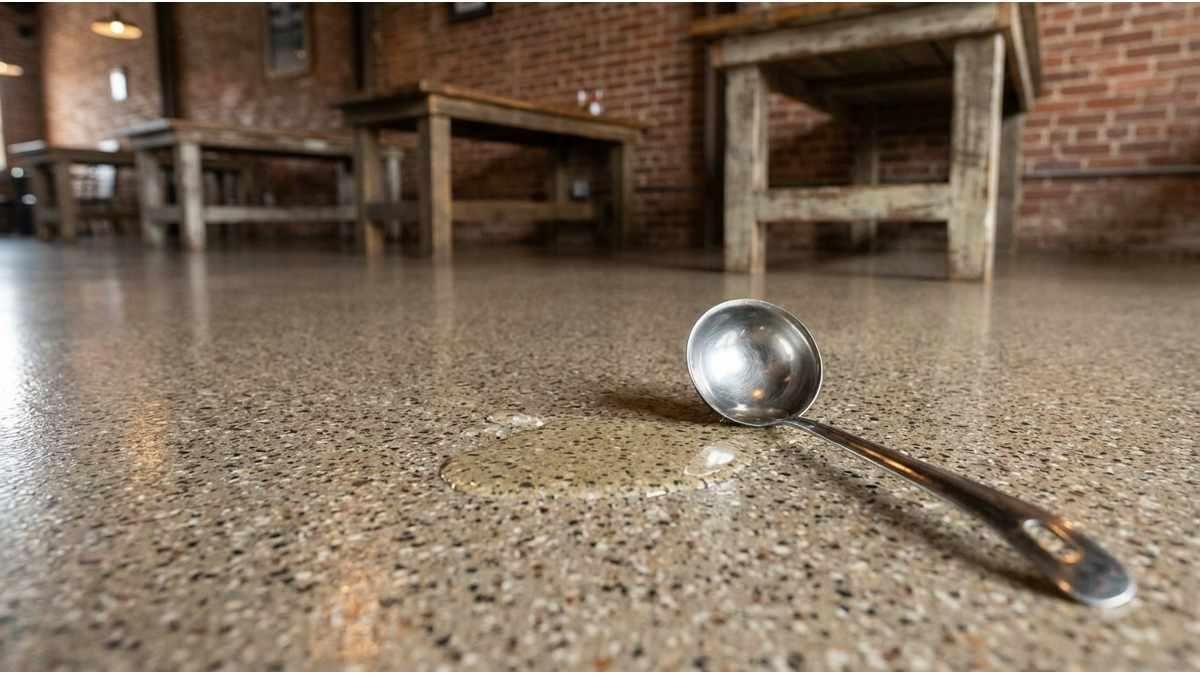
  • Respond to Spills Immediately: Clean up leaked oils, battery acids, harsh dyes, and chemicals instantly. Industrial coatings are highly durable, but they are not indestructible; fast extraction eliminates staining risks and maintains traction safety.
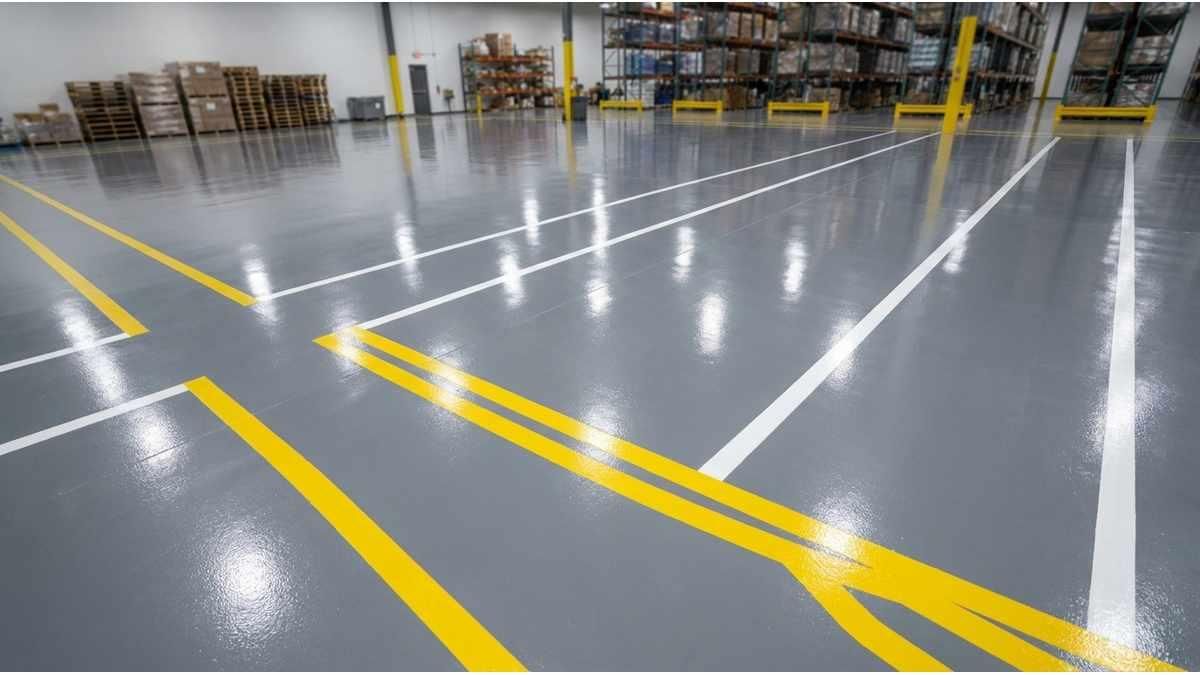
  • Designate Traffic Corridors: Clearly paint or mark designated traffic lanes if forklifts, heavy carts, or pallet jacks utilize the space. Repetitive turning and braking in tight, unmarked zones will accelerate topcoat wear, requiring facility managers to monitor these high-stress zones more frequently.

As a local, veteran-owned, family-operated, and BBB-accredited contractor with over 10 years of coating experience, KY Epoxy Flooring tailors systems to withstand Central Kentucky's high humidity, seasonal debris, and aggressive winter road salt.

Inspect, Document, and Repair Early

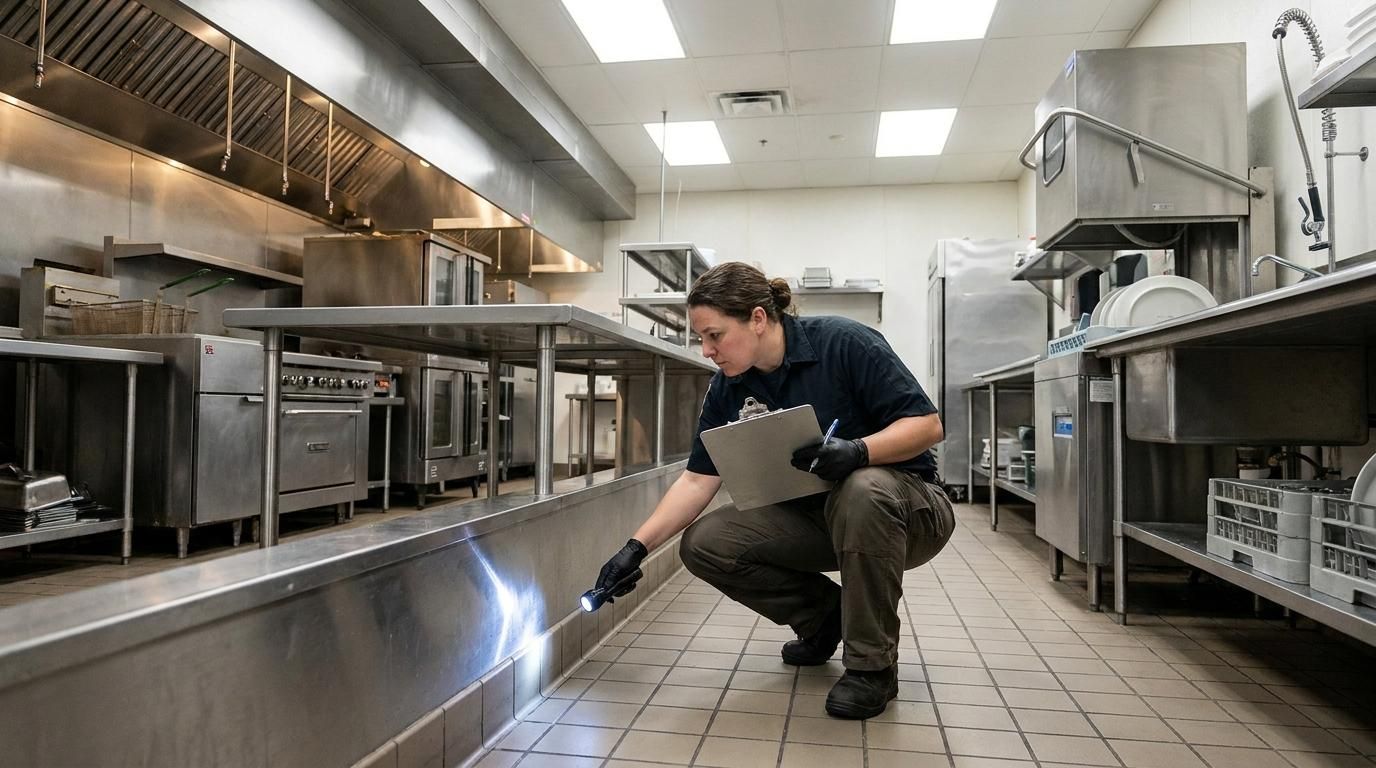
Consistently monitoring your surface is the easiest way to prevent commercial epoxy floors from failing due to minor, unaddressed issues. Setting up a formal walkthrough schedule allows you to spot dull spots, micro-scratches, small impact chips, localized chemical erosion, or changes near floor drains and entry thresholds before moisture can infiltrate the subfloor.

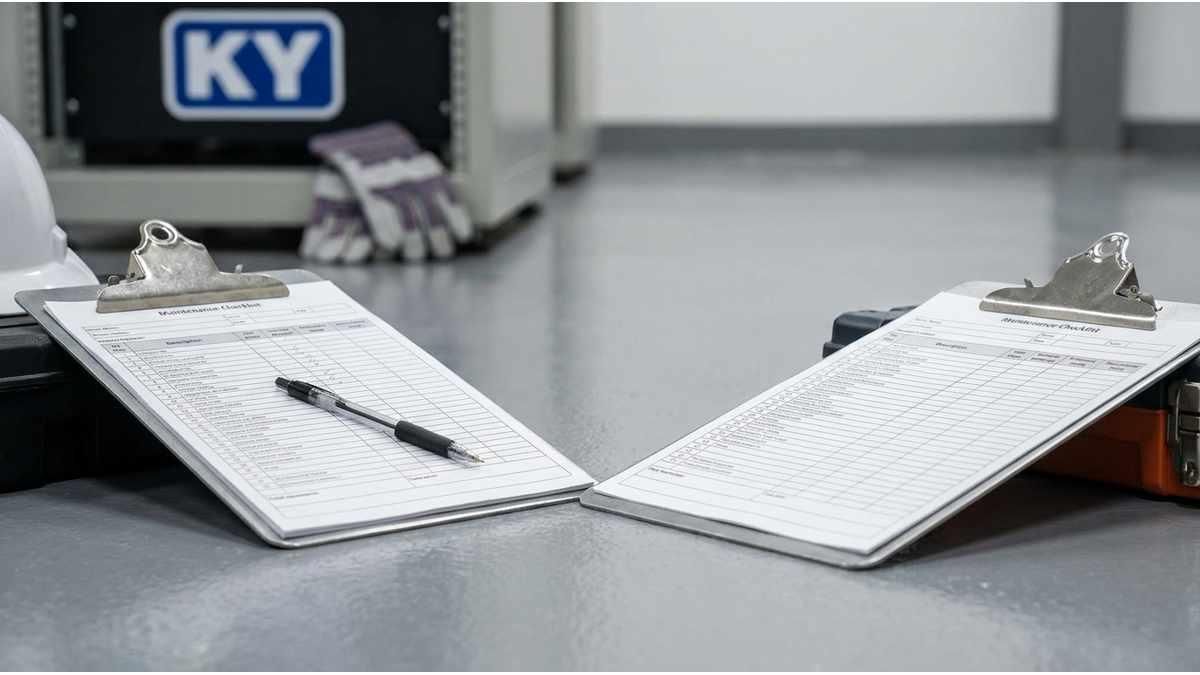
  • Keep Maintenance Logs: Document your cleaning routines, chemical products used, and any noted physical changes. This practice helps managers spot equipment handling patterns, holds cleaning crews accountable, and gives your contractor exact data if professional touch-ups are required.
  • Use Photo Documentation: Take clear photos immediately following heavy impacts, severe chemical spills, or equipment reconfigurations to track whether a scratch remains stable or is beginning to delaminate.
  • Investigate Widespread Wear: If the coating begins to lift, bubble, or crack across multiple areas, stop and investigate the root cause. Multi-zone failures typically indicate active slab moisture vapor pressure, improper initial cleaning chemicals, severe impact abuse, or loading weights that exceed the floor's original engineering specs.

Central Kentucky businesses should build these inspection and maintenance steps into their standard operating procedures starting from week one. Always consult your installation team regarding cure times before reopening any zone for structural repairs.

Advanced polyurea patches can fully cure in just a few hours, whereas traditional epoxy systems often require a full 24 hours before handling heavy commercial traffic.

Frequently Asked Questions

How often should commercial epoxy floors be cleaned?

Commercial epoxy floors in high-traffic spaces (such as active warehouses, commercial kitchens, and busy retail areas) should be swept daily and wet-mopped or auto-scrubbed 1 to 3 times per week to prevent dirt buildup. For lower-traffic commercial environments, a thorough weekly cleaning is sufficient, though abrasive grit, metal shavings, and chemical spills must always be removed immediately to prevent surface scratching and premature wear.

What cleaners are safe for commercial epoxy floors?

The safest cleaners for commercial epoxy floors are pH-neutral cleaners, mild biodegradable degreasers, and warm water mixed with specialized non-filming detergents approved for resinous floor systems. Facility managers must completely avoid using harsh acidic solvents, citrus-based cleaners, high-concentration ammonia, and aggressive abrasive scrubbing pads, as these harsh chemicals will strip the glossy topcoat and permanently dull the protective finish.

When should a commercial epoxy floor be inspected?

A commercial epoxy floor should be formally inspected for physical damage at least twice per year, with additional spot checks conducted immediately following major chemical spills, heavy tool impacts, or heavy equipment reconfigurations. Catching minor surface scratches, hairline slab cracks, or small delamination zones during a routine bi-annual inspection allows for localized, cost-effective touch-ups before the damage escalates into a large-scale floor restoration project.

Protect the Floor Your Business Runs On

A commercial coating performs far better with a clear maintenance plan behind it. Sort out cleaning products, staff training, and inspection timing before problems spread, and put it in writing so a new employee can protect the floor from their first busy shift. Our 10-year commercial warranty covers the system; a maintenance routine is what protects the investment day to day.

For help keeping your Kentucky business floors in shape, contact KY Epoxy Flooring at (859) 749-3449 .

By Jimmy Miller June 25, 2026
Explore concrete patio resurfacing ideas for Kentucky homes, from coatings and overlays to slip-resistant textures and decorative finishes.
By Jimmy Miller June 21, 2026
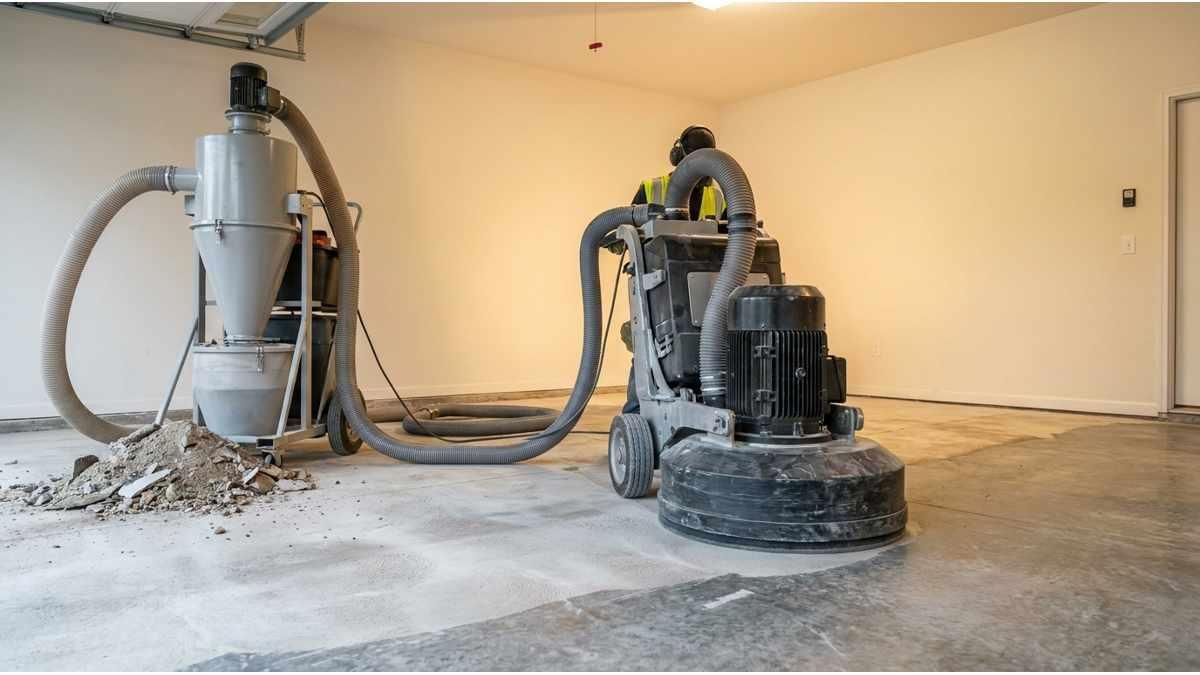
Learn how to prepare garage floor for epoxy, why grinding matters, and what Kentucky homeowners should know before coating concrete.
By Jimmy Miller June 18, 2026
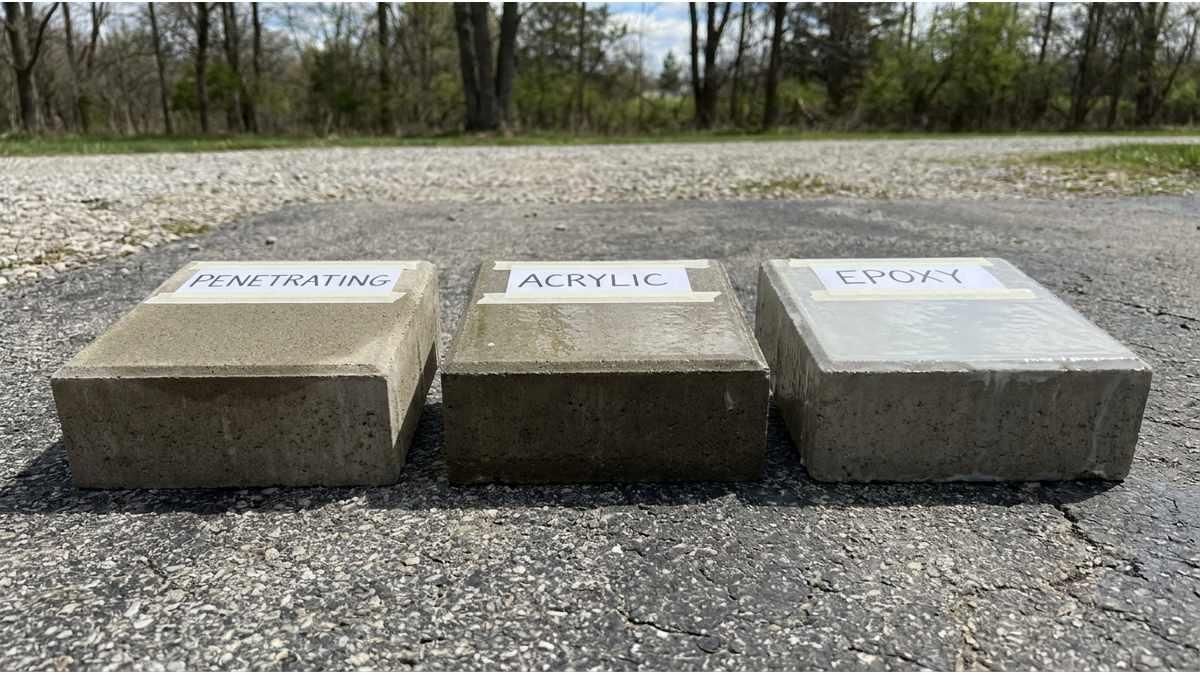
Compare concrete sealer types, including penetrating, acrylic, and epoxy sealers, and learn which option fits Kentucky concrete conditions.
By Jimmy Miller June 15, 2026
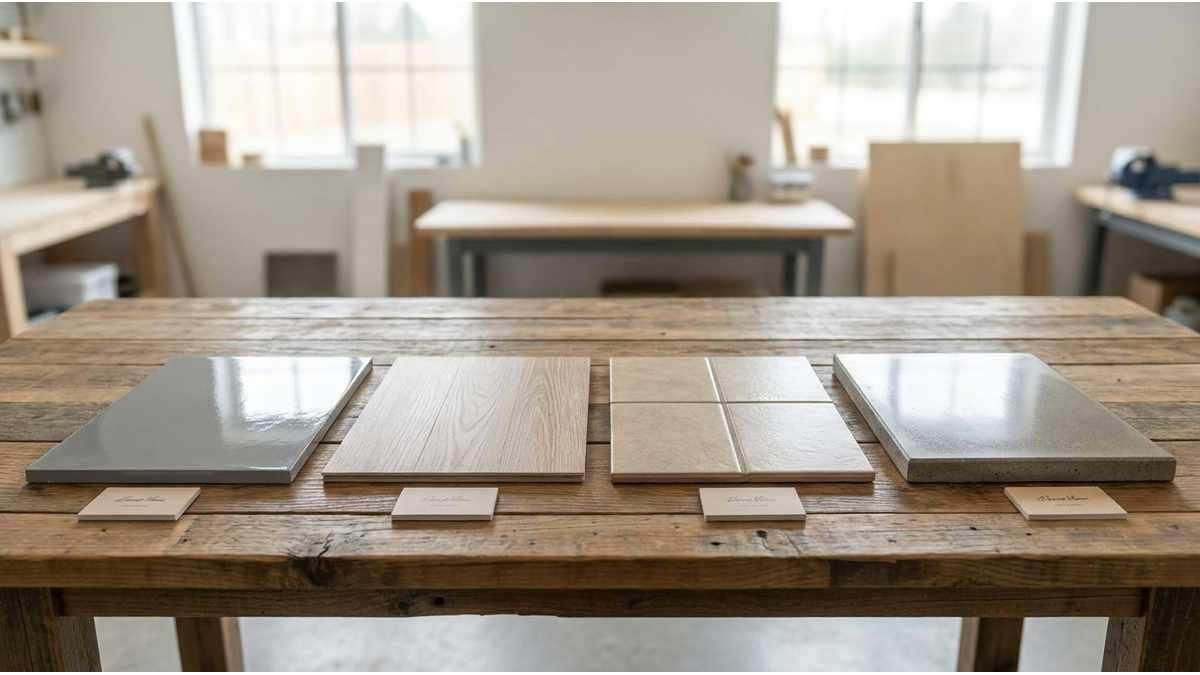
Compare the best flooring for wet basement spaces in Kentucky, including epoxy, vinyl, tile, sealed concrete, and carpet tile options.
By Jimmy Miller June 10, 2026
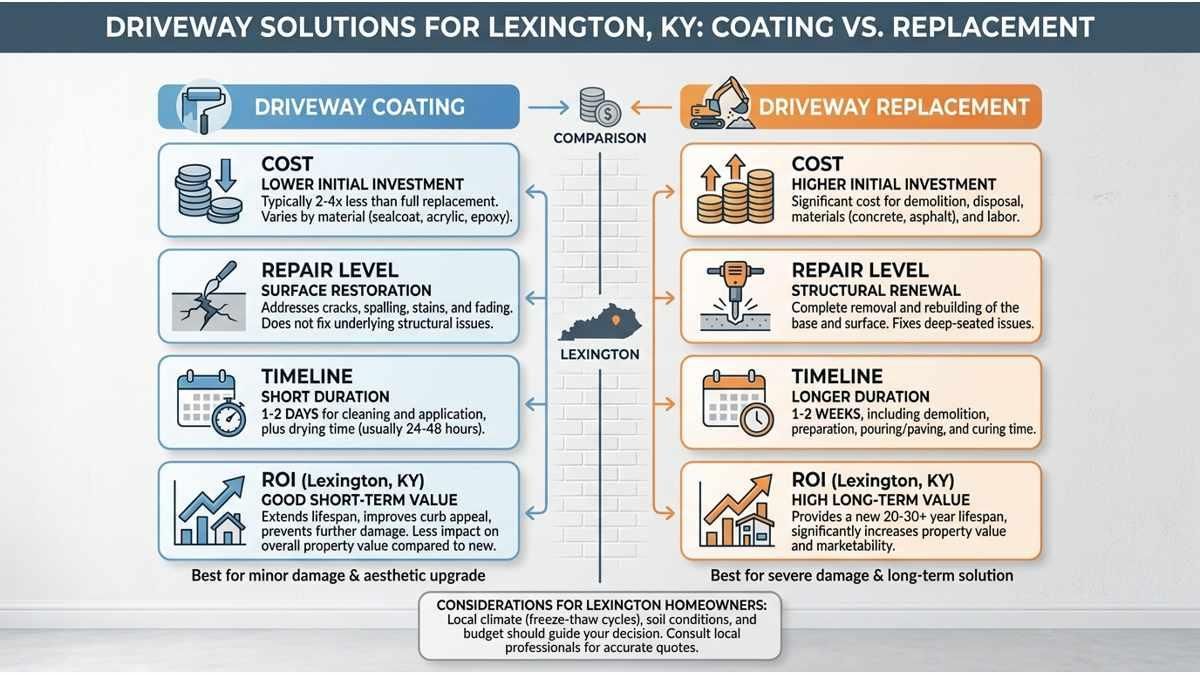
Compare driveway coating vs replacement for Lexington homes, including cost factors, repair limits, curb appeal, and long-term ROI.
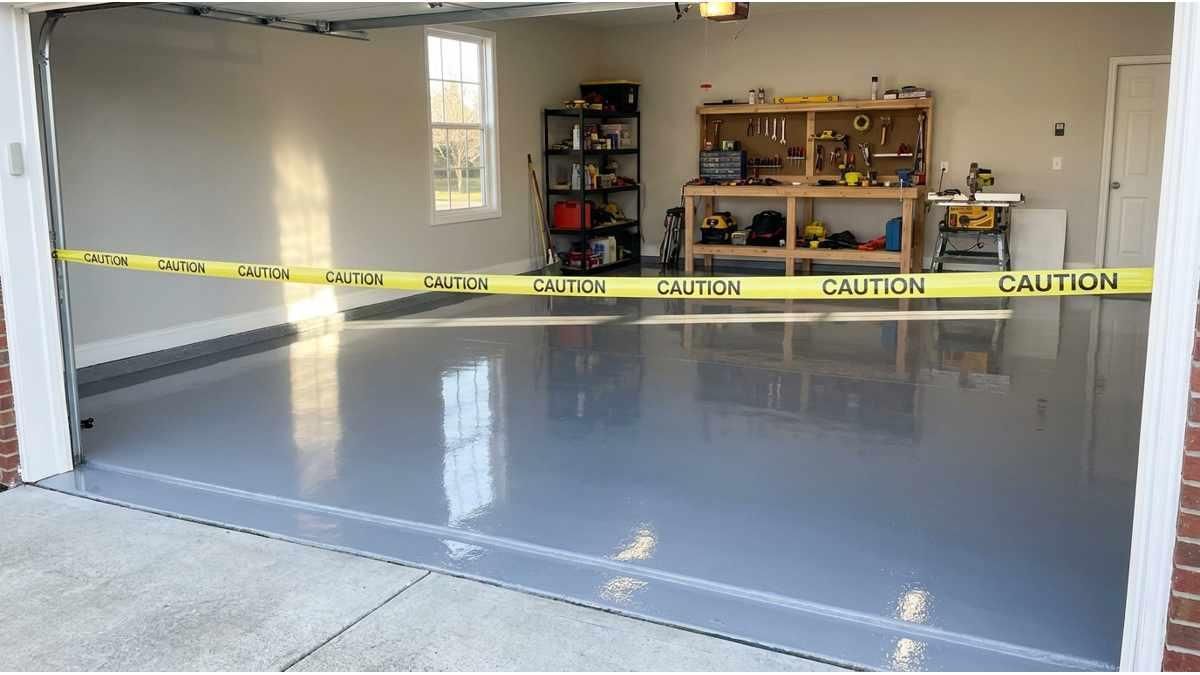
By Jimmy Miller June 6, 2026
Understand epoxy floor cure time, dry time, foot traffic timing, vehicle timing, and Kentucky weather factors before coating your garage.
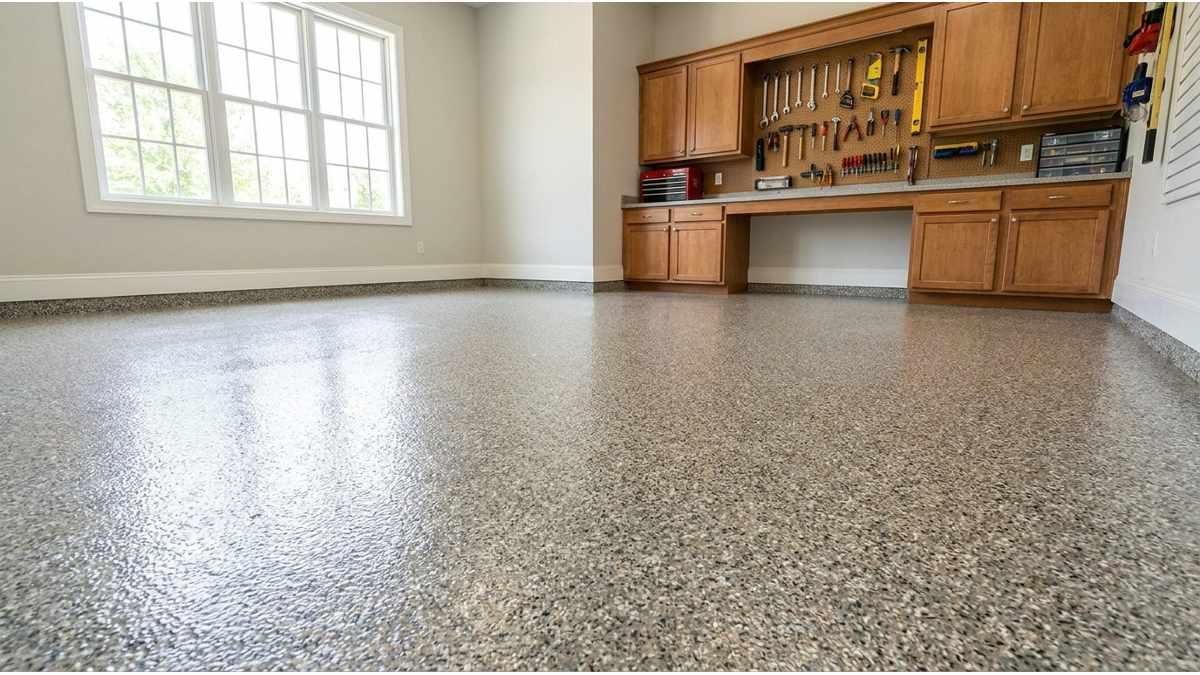
By Jimmy Miller June 3, 2026
Learn how long epoxy flooring lasts in Kentucky weather, what affects durability, and when to call KY Epoxy Flooring for garage coating help.
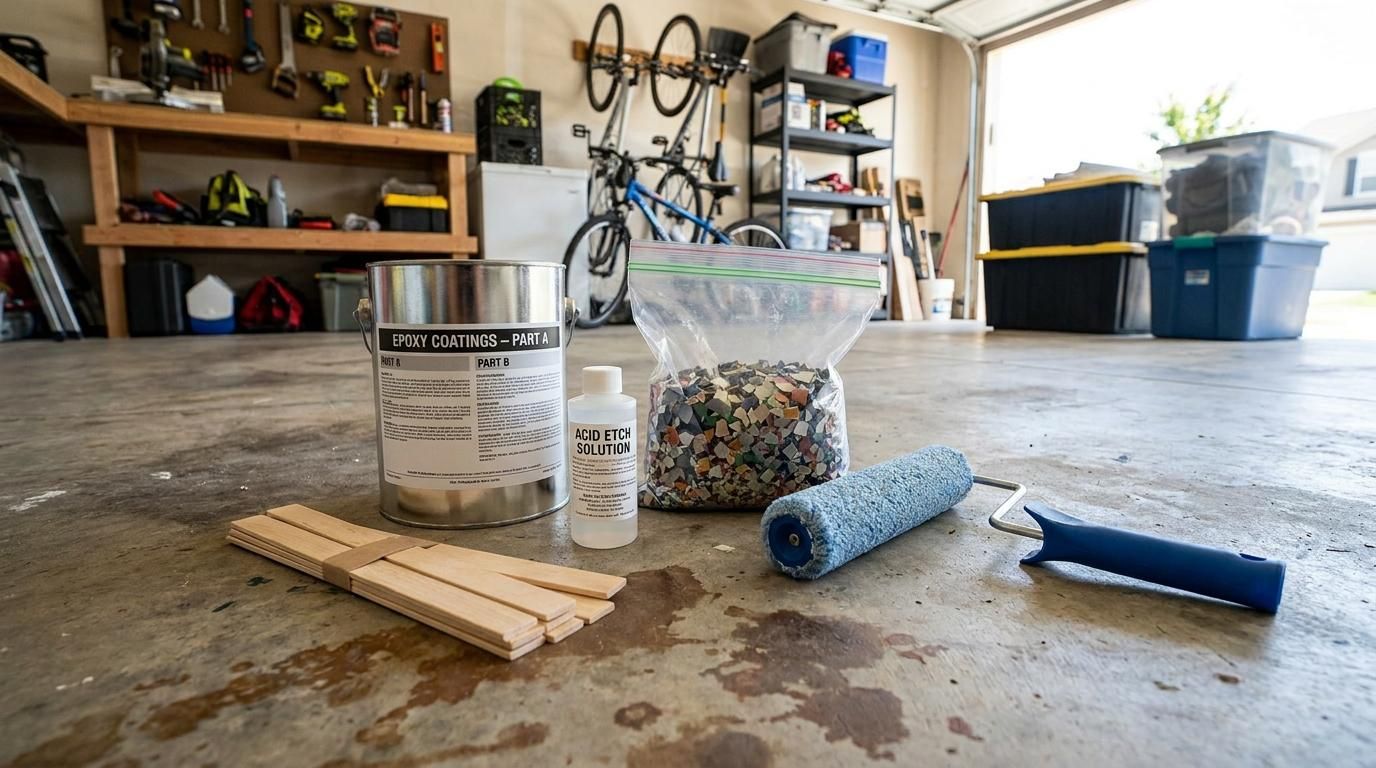
By Jimmy Miller May 29, 2026
Compare DIY epoxy garage floor kits to professional installation in Kentucky. Learn about costs, preparation methods, cure times, and long-term durability.
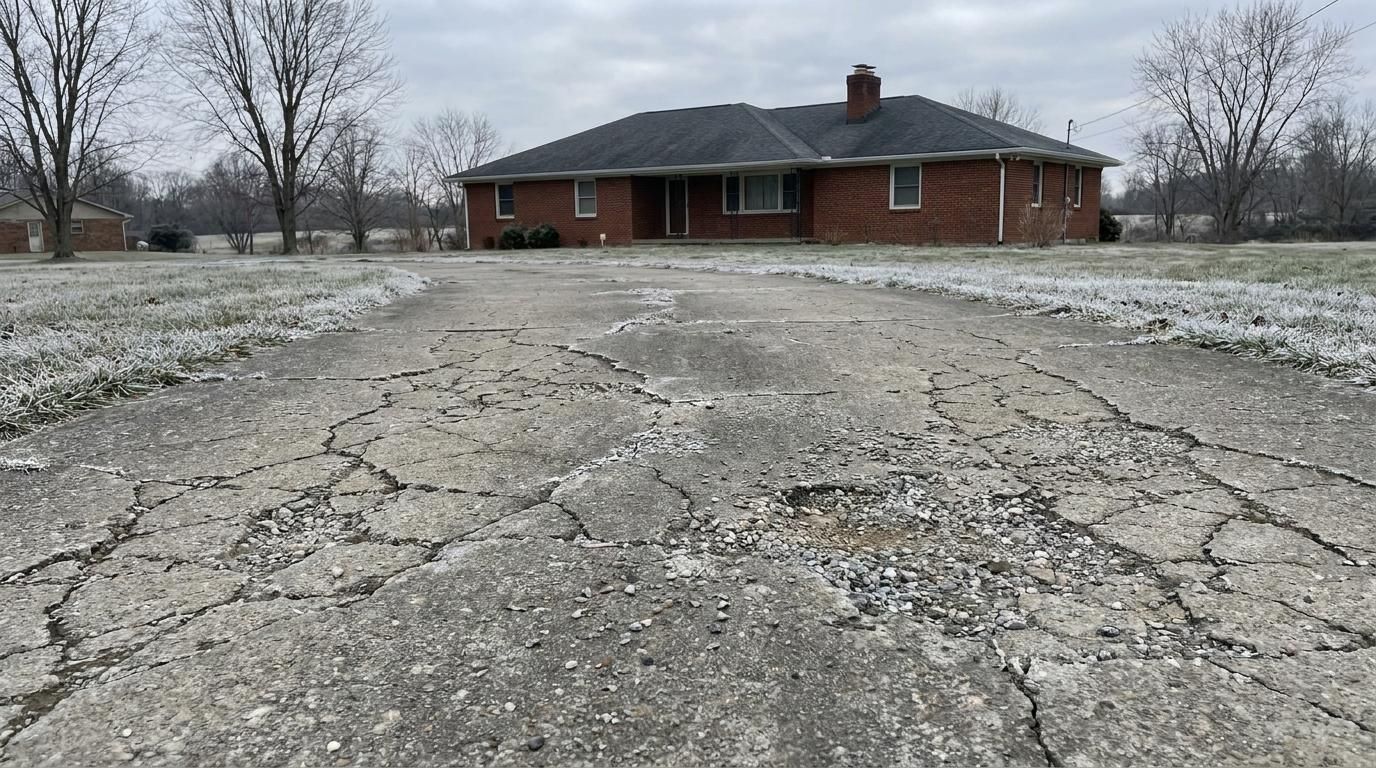
By Jimmy Miller May 25, 2026
Choose the best concrete sealer for your Kentucky driveway. Compare penetrating vs. topical sealers, costs, & reapplication schedules for freeze-thaw climates.
By Jimmy Miller May 21, 2026
Learn how epoxy flooring helps restaurants meet Kentucky health codes. Read about food safety, durability, after-hours installation, and commercial warranties.
Show More