
5 Best Flooring Options for Wet Basements in Kentucky: Epoxy, Vinyl, Tile, and More

Jimmy Miller • June 15, 2026

The best flooring for a wet basement starts with moisture control. In Kentucky homes, KY Epoxy Flooring recommends evaluating the slab first, then choosing a basement coating or another moisture-tolerant floor that fits how the room is used, because the wrong material over a damp slab leads to odor, swelling, and mold.

Basements get damp for a lot of reasons: humidity, hydrostatic pressure, plumbing leaks, poor drainage, and condensation. The fix depends on the source of the moisture, which is why flooring should be the last decision.

Find out why wet basements need a different plan, compare five flooring options, and learn how to choose the right type for your Kentucky home.

Why Wet Basements Need a Different Flooring Plan

A basement floor faces different risks than an upstairs room. Concrete can transmit vapor. Walls can seep during heavy rain. Humidity can stay high for long periods. Materials that trap moisture may lead to odor, swelling, or mold concerns.

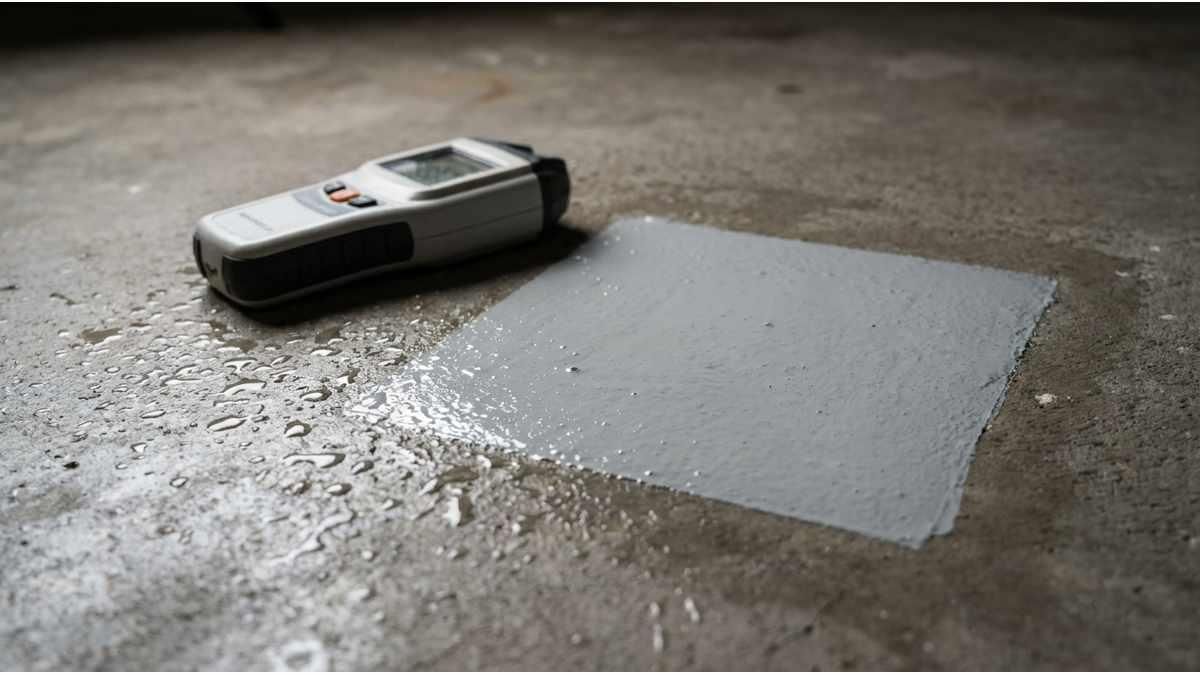
Before choosing flooring, check gutters, grading, sump systems, cracks, and indoor humidity. A coating or floor covering should not be used to hide an active water problem. If water is entering regularly, solve drainage first.

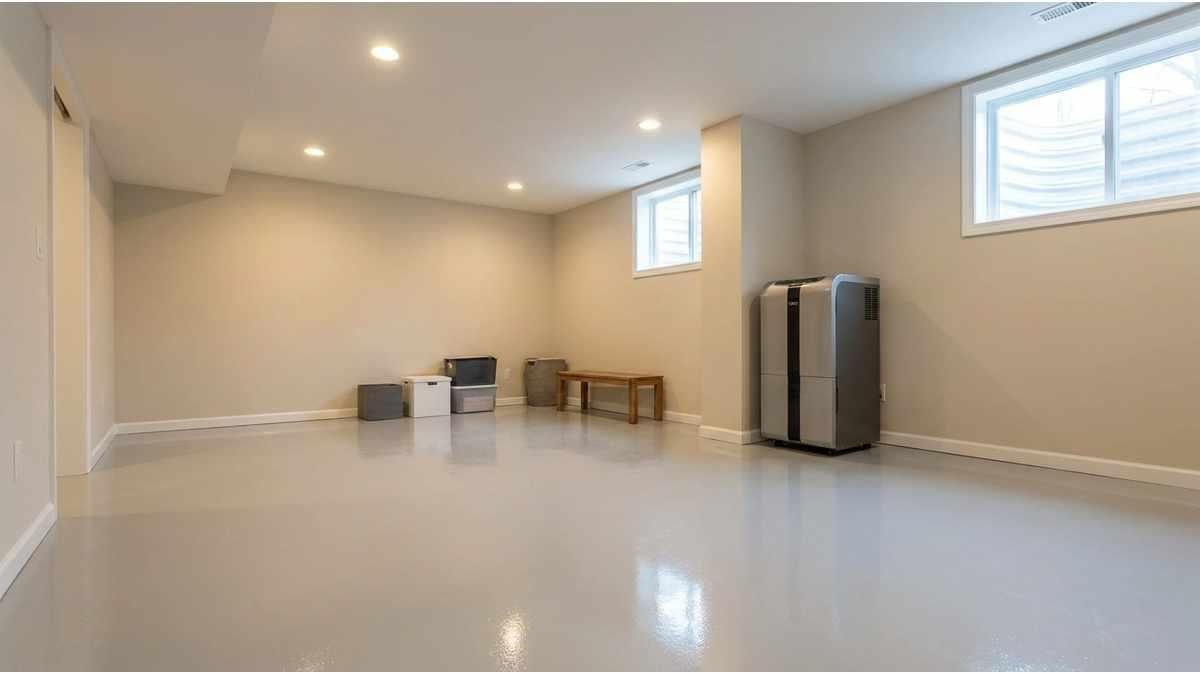
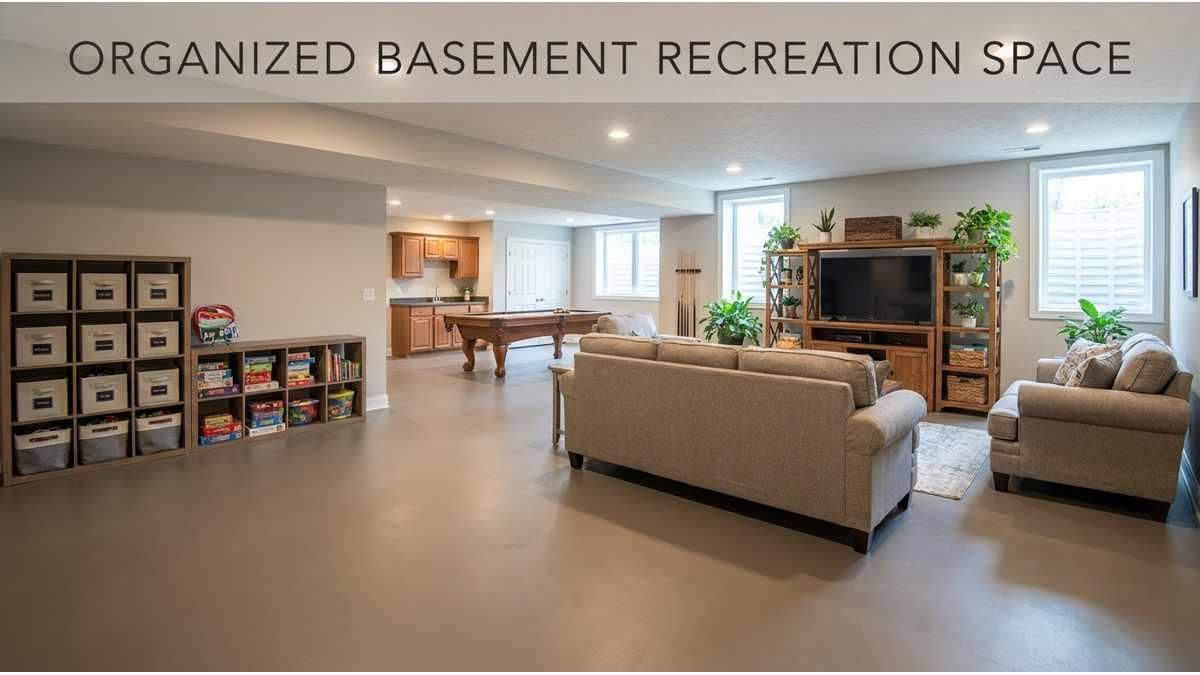
Epoxy and other basement floor coating options can work well on many subgrade slabs because they create a clean, durable surface. They're especially useful for storage rooms, laundry areas, workshops, home gyms, and finished basements that need easy cleaning. Low-VOC materials can also matter indoors, especially when the basement connects to regular living space.

Comparing Five Basement Flooring Options

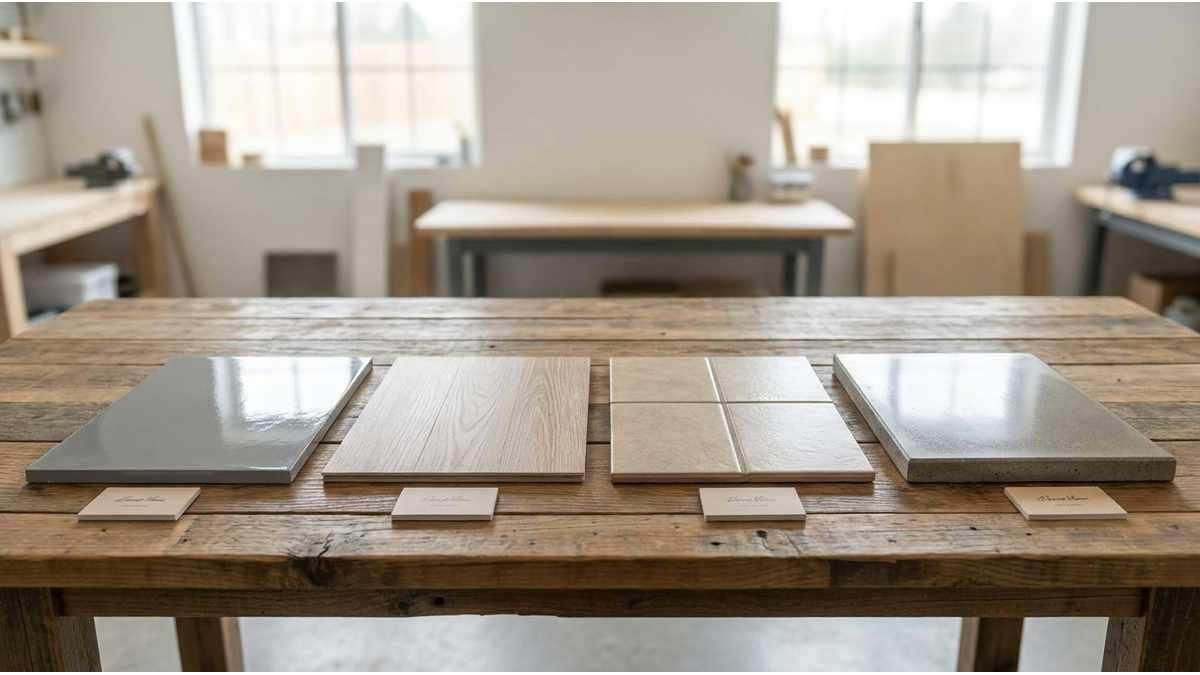
Selecting the right basement floor involves balancing durability, moisture resistance, and the specific aesthetic needs of your space.

Epoxy Coatings

Epoxy coatings are durable, cleanable, and low-profile. They do not add much floor height, and they can handle many daily basement uses. The slab must be prepared correctly, and moisture conditions need review before installation.

Luxury Vinyl Plank

Luxury vinyl plank is popular because it looks like wood and resists surface water. It can still trap moisture underneath if the slab has vapor issues. It also needs a flat floor, and seams can be vulnerable in repeated water events.

Tile Flooring

Tile handles water well and can look finished. It is hard underfoot, grout needs cleaning, and installation costs can rise if the slab needs leveling. Tile can be a good choice for bathrooms or basement entries.

Sealed Concrete

Sealed concrete is a practical option for utility spaces. It is affordable compared with many finished floors and helps reduce dusting. It may not provide the finished look some homeowners want.

Carpet Tiles

Carpet tile is softer and can be replaced in sections. It is not the first choice for chronically damp basements. If used, choose products designed for basements and keep humidity controlled. In Central Kentucky, summer humidity can make a soft surface like carpet tile risky without ventilation or dehumidification. A Somerset basement near Lake Cumberland, where humid air settles in all season, is exactly the kind of space where a sealed, moisture-tolerant coating outperforms anything that can trap dampness underneath.

How to Choose for Your Kentucky Home

Start by identifying the room's core purpose. A storage basement has entirely different structural and performance needs than a home gym or a finished family room.

1. Evaluate Moisture History

Before selecting a style or finish, homeowners must treat moisture as their primary design constraint. Ask yourself these critical questions:

  • Has the basement flooded in the past?

  • Does the bare concrete slab feel cold or damp to the touch?

  • Is there an active sump pump in the space?

  • Do cardboard boxes smell musty after a humid Kentucky summer?

Once your slab's moisture level is fully understood, choosing the right coating system becomes a much clearer process.

2. Understand Your Installation Timeline

Investing a few days into proper application upfront prevents major headaches down the road. This timeline is incredibly worthwhile when the alternative is tearing up and replacing swollen, moldy wood flooring after the next damp season.

  • Standard Project Length: Residential basement installations typically take 2 to 3 days, depending entirely on necessary surface preparation and product selection.

  • Cure Time Variances: Standard epoxy systems generally require around 24 hours to reach key cure milestones, while certain advanced polyurea systems can harden in just a few hours. Your installer will explain which exact schedule applies to your home.

3. Protect Your Floor Post-Installation

Good planning goes beyond the installation window. To protect your new surface, ensure a strategy is in place to keep heavy appliances, stored items, and workout equipment completely off the floor until the system fully reaches its maximum strength.

Additionally, ask your contractor about what ongoing maintenance the floor will need. Establishing a simple, routine cleaning plan is the easiest way to protect the beautiful finish through damp summers and long winter storage.

4. Partner with Local Kentucky Experts

Managing concrete conditions requires deep local expertise. KY Epoxy Flooring is a veteran-owned, family-operated business backed by more than 10 years of professional coating experience.

As a fully licensed, insured, and BBB Accredited contractor, we specialize in offering premium, low-VOC options and helping homeowners perfectly match the right coating systems to their actual, real-world basement conditions.

Frequently Asked Questions

What flooring is best for a damp basement?

The best flooring for a damp basement includes high-performance epoxy coatings, ceramic or porcelain tile, sealed concrete, and premium luxury vinyl products designed specifically for moisture-tolerant environments. The optimal selection depends entirely on whether the concrete slab experiences mild, passive vapor dampness or active hydrostatic water leaking, as subfloor conditions dictate material longevity.

Can epoxy be used in a wet basement?

An epoxy coating can be used successfully on many residential basement slabs, but active water intrusion and hydrostatic pressure must be completely remedied before application. If an installer applies epoxy over a wet basement slab without addressing the underlying water source through proper surface preparation and a dedicated moisture-vapor barrier, trapped water will cause the coating to blister, bubble, and delaminate.

Should I fix moisture before installing basement flooring?

You must always fix moisture problems completely before installing any type of finished basement flooring. Decorative basement epoxy flooring should never be used to mask structural drainage issues, foundation leaks, or rising water tables; resolving the external or internal water source first ensures your subfloor is stable and permanently protects your new floor finish from mold, mildew, and adhesive failure.

Pick a Basement Floor That Handles Moisture First

A basement floor has to fit Kentucky humidity and your home's moisture history. Fix the water source first, evaluate the slab, then pick a surface that can handle dampness instead of hiding it. Do it in that order and the floor lasts; reverse it and you'll be replacing swollen flooring after the next wet season.

For help matching a floor to your basement's real conditions, contact KY Epoxy Flooring at (859) 749-3449 .

By Jimmy Miller June 29, 2026
Master commercial epoxy floor maintenance. Protect your Kentucky business with our expert tips on daily cleaning, safe chemicals, and bi-annual inspections.
By Jimmy Miller June 25, 2026
Explore concrete patio resurfacing ideas for Kentucky homes, from coatings and overlays to slip-resistant textures and decorative finishes.
By Jimmy Miller June 21, 2026
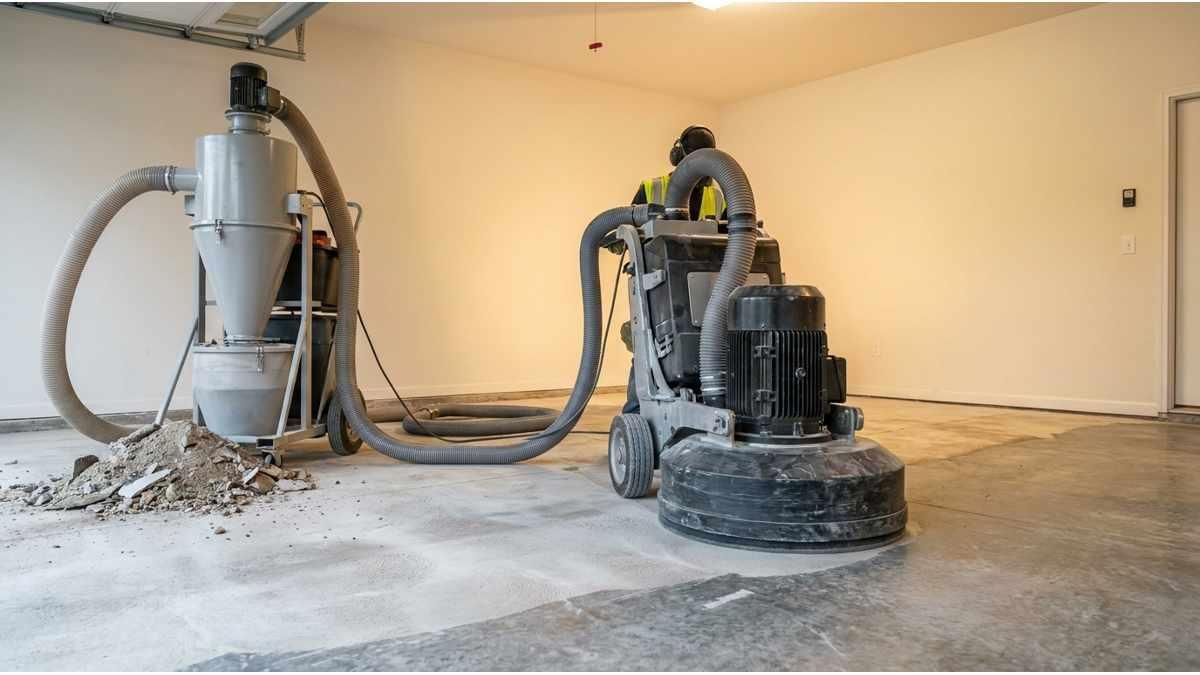
Learn how to prepare garage floor for epoxy, why grinding matters, and what Kentucky homeowners should know before coating concrete.
By Jimmy Miller June 18, 2026
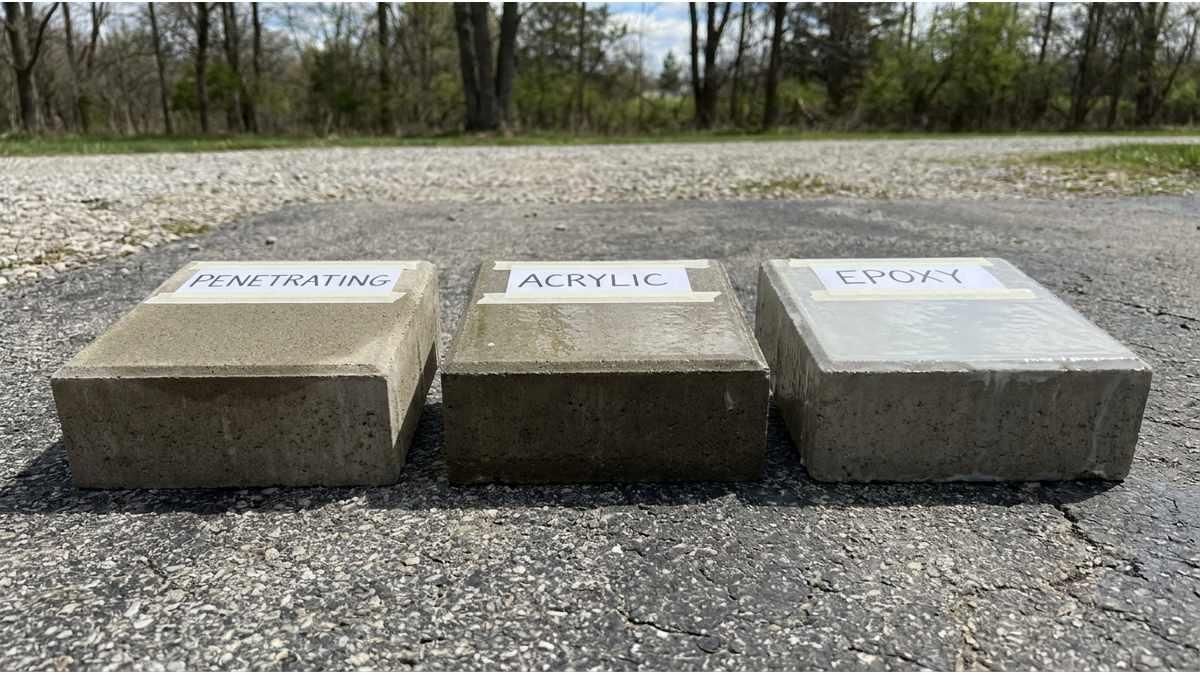
Compare concrete sealer types, including penetrating, acrylic, and epoxy sealers, and learn which option fits Kentucky concrete conditions.
By Jimmy Miller June 10, 2026
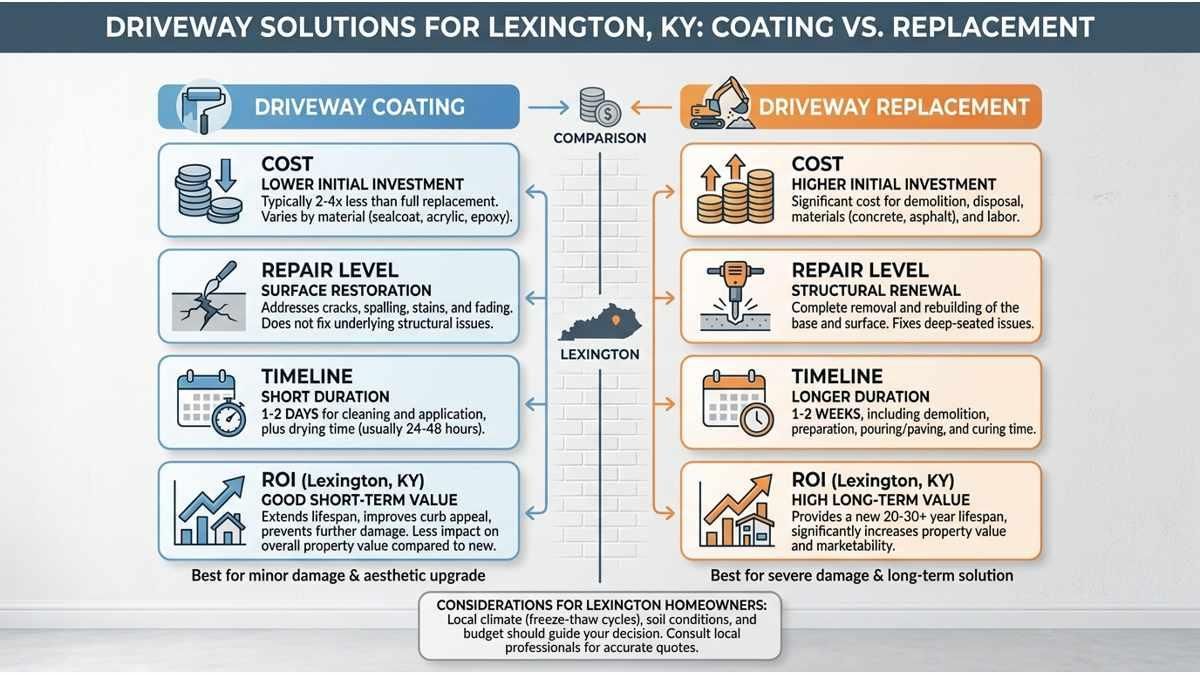
Compare driveway coating vs replacement for Lexington homes, including cost factors, repair limits, curb appeal, and long-term ROI.
By Jimmy Miller June 6, 2026
Understand epoxy floor cure time, dry time, foot traffic timing, vehicle timing, and Kentucky weather factors before coating your garage.
By Jimmy Miller June 3, 2026
Learn how long epoxy flooring lasts in Kentucky weather, what affects durability, and when to call KY Epoxy Flooring for garage coating help.
By Jimmy Miller May 29, 2026
Compare DIY epoxy garage floor kits to professional installation in Kentucky. Learn about costs, preparation methods, cure times, and long-term durability.
By Jimmy Miller May 25, 2026
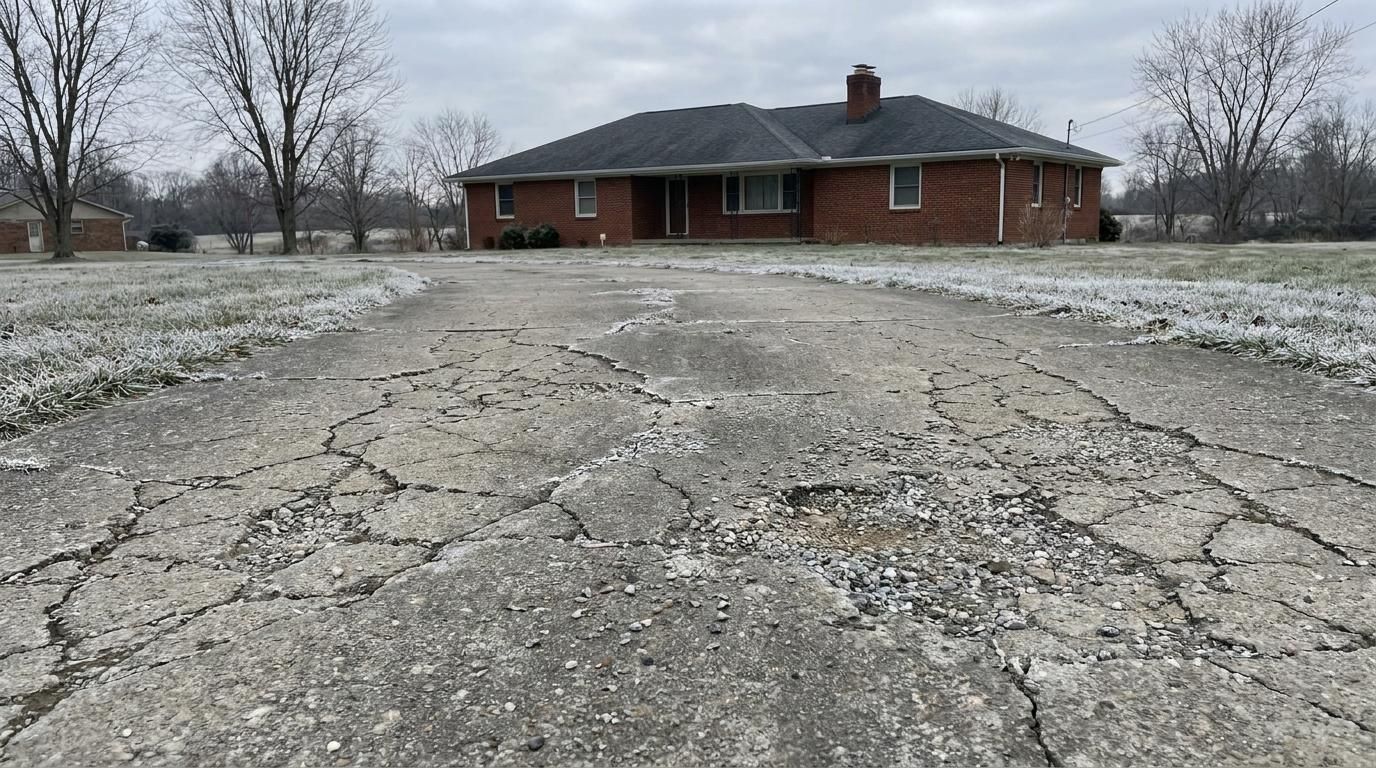
Choose the best concrete sealer for your Kentucky driveway. Compare penetrating vs. topical sealers, costs, & reapplication schedules for freeze-thaw climates.
By Jimmy Miller May 21, 2026
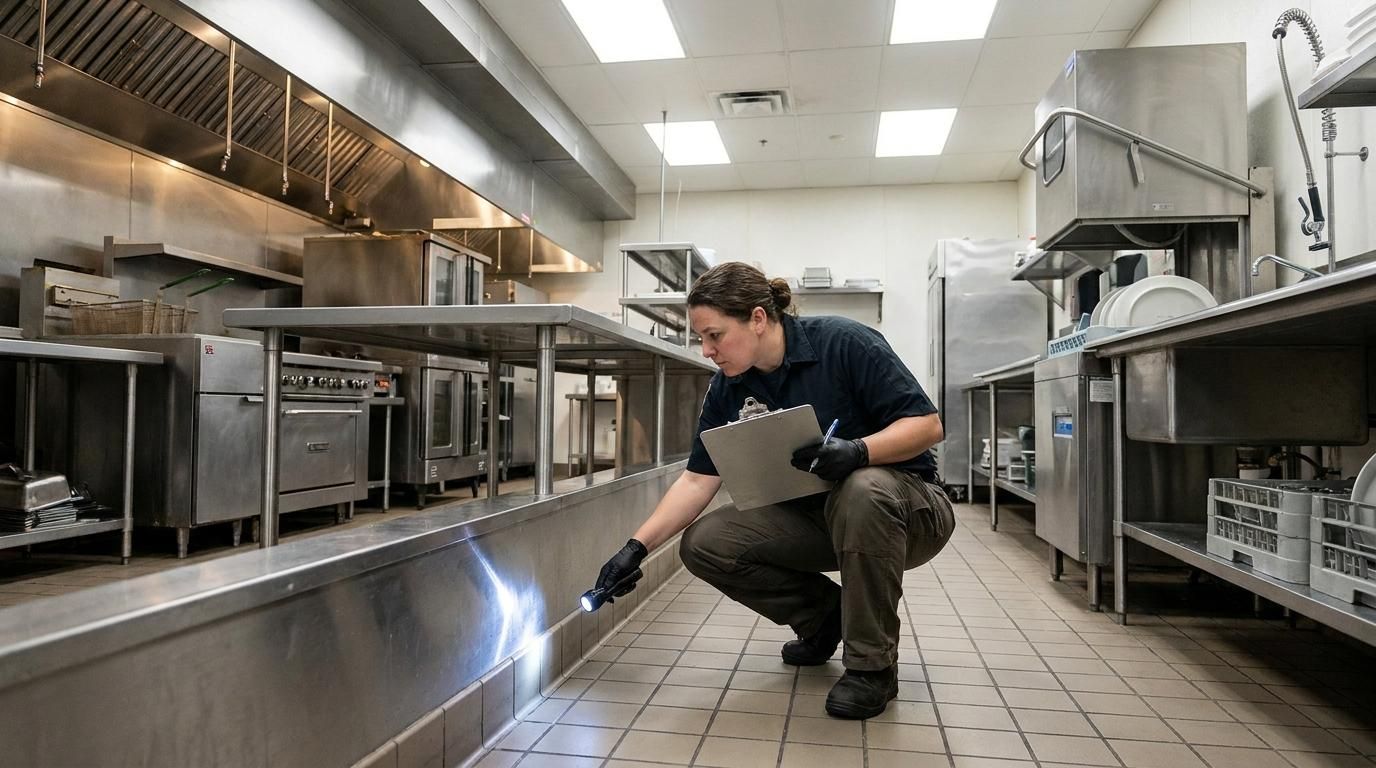
Learn how epoxy flooring helps restaurants meet Kentucky health codes. Read about food safety, durability, after-hours installation, and commercial warranties.
Show More