How to Choose a Commercial Kitchen Floor Coating in Lexington, KY
A commercial kitchen floor has to handle grease, standing water, hot equipment, harsh cleaning chemicals, and constant foot and cart traffic, often all at once. KY Epoxy Flooring offers commercial concrete coating options for Central Kentucky kitchens, including Lexington, KY, with a 10-year warranty on commercial installations. Before picking a system, it helps to understand what the floor actually needs to do in each part of the kitchen.
Start With the Baseline Every Kitchen Floor Must Meet
Regardless of layout or menu, food-service flooring has a non-negotiable starting point. The FDA Food Code calls for floor surfaces in food operations to be smooth, durable, and easily cleanable, and in areas exposed to moisture, the floor must also be nonabsorbent. This is the filter to apply before comparing finishes, colors, or coating brand names. A coating that looks good but traps moisture or resists easy cleaning does not meet this baseline, no matter how durable it is.
Match the Coating to Each Kitchen Zone
Not every part of a commercial kitchen sees the same exposure, so the right coating often depends on where it is going. Dishwashing stations, cooking lines, and washdown areas deal with standing water and grease daily, while dry storage and some prep zones see lighter moisture exposure.
- Wet, greasy zones (dishwashing, cooking lines, washdown areas): need traction underfoot without a surface profile so rough it becomes hard to sanitize
- Drains and floor-to-wall transitions: should be evaluated separately, since standing water and poorly maintained edges create sanitation and safety issues
- Drier zones (storage, some prep areas): can often use a smoother, easier-to-clean finish since slip exposure is lower
This is the core tradeoff in food-service flooring: a slip-resistant or textured surface is only appropriate when it remains cleanable. A texture that improves footing but holds soil and grease can create a different sanitation problem. For more on how this plays out in restaurant settings specifically, see restaurant kitchen flooring and inspection considerations.
Account for Heat, Chemicals, and Traffic
Commercial kitchens expose floors to more than moisture. Frequent cleaning chemicals, rapid temperature changes near hot equipment or walk-in coolers, and constant cart and foot traffic all factor into which coating system holds up over time. According to Sherwin-Williams resin flooring guidance, thermal shock, chemical exposure, and slip resistance are all material-selection considerations for commercial and industrial kitchens. Treating every area of a kitchen as if it faces identical conditions is a common way owners end up with a coating mismatched to how a specific zone is actually used.
Check the Concrete Before Choosing a System
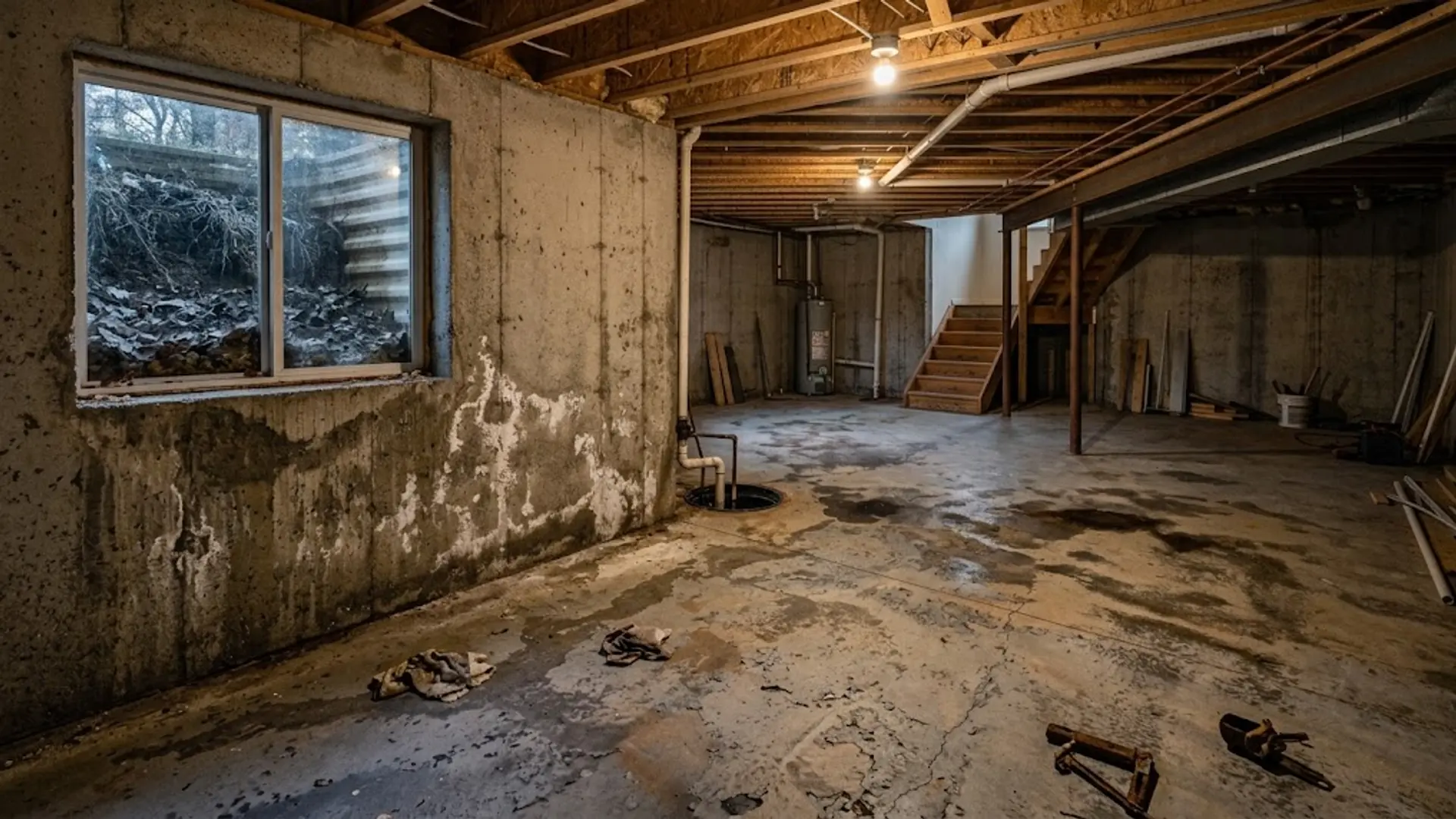
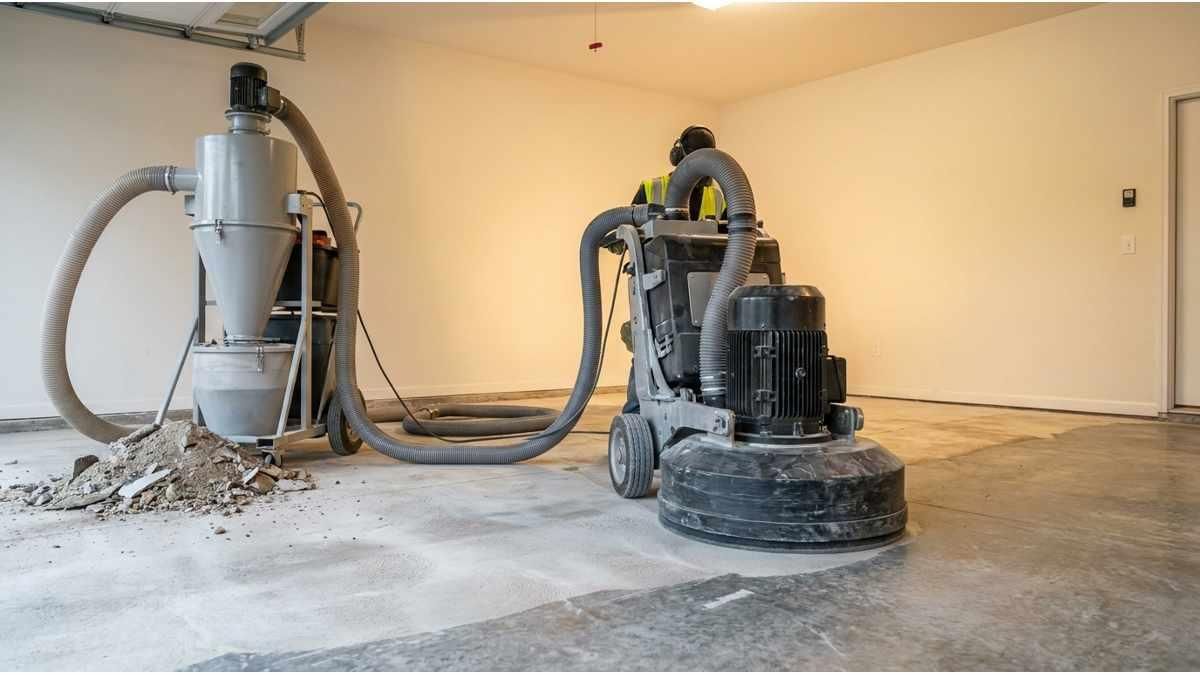
A coating cannot fix a poorly prepared or moisture-affected slab. Mechanical preparation, repair of cracks or damaged concrete, and a moisture evaluation should happen before a coating system is selected, since adhesion failures often show up later as lifting, blistering, or peeling. This is also where slab condition can influence which type of system makes sense. KY Epoxy Flooring offers polyaspartic coatings and moisture vapor barriers, which can be relevant when a slab shows elevated moisture or when a kitchen needs a faster return to service. Neither option is automatically the right fit for every kitchen; the decision depends on the condition of the existing concrete. If you want to understand what can go wrong when prep is skipped, see coating failures caused by moisture and poor preparation.
Plan the Installation Around Your Kitchen's Schedule
Downtime is a real cost for an operating kitchen, so scheduling matters as much as the coating itself. KY Epoxy Flooring offers after-hours installation and quick-curing formulations for commercial projects, which can help limit the disruption to daily operations. Before starting a project, it is worth discussing cure time, access needs, and whether the work can be phased so parts of the kitchen stay usable.
Frequently Asked Questions
How do I choose a slip-resistant kitchen floor texture that is still easy to clean?
Look for a texture that improves traction in wet or greasy zones without being so rough that grease and soil get trapped in the surface profile. The floor still needs to meet food-service cleanability requirements.
Does the existing concrete need moisture testing before a commercial kitchen coating is installed?
Moisture condition, cracks, and contamination should be assessed before a coating system is chosen, since these factors affect which system will adhere properly and how long it will last.
Can commercial kitchen flooring work be scheduled around restaurant operating hours?
Yes. KY Epoxy Flooring offers after-hours installation and quick-curing formulations for commercial projects to help limit disruption to kitchen operations.
Ready to Evaluate Your Kitchen Floor?
KY Epoxy Flooring is a veteran-owned, family-oriented contractor providing commercial concrete coatings throughout Lexington and Central Kentucky, backed by a 10-year warranty on commercial installations. If you are weighing options for a kitchen floor, call (859) 749-3449 to talk through your space and schedule.