How Long Do Concrete Driveway Coatings Last in Central Kentucky?

Jimmy Miller • October 28, 2026

Concrete driveway protection in Central Kentucky generally lasts anywhere from one to three years for acrylic sealers up to five to ten years for penetrating sealers, depending on the system, the condition of the slab, and how much exposure the driveway sees. There is no single lifespan number for "driveway coating" because the term covers different products with different wear patterns. KY Epoxy Flooring lists concrete driveway coatings among its priority services for homeowners across Central Kentucky, and understanding what drives these lifespan ranges helps you set realistic expectations before choosing a system.

Why Lifespan Depends on the Type of Protection

Not all driveway protection works the same way, which is the main reason lifespan estimates vary so widely. Penetrating sealers soak into the concrete and work below the surface, so they do not form a film that takes direct abrasion from tires. Acrylic sealers sit on top of the slab as a surface film, which means they are more directly exposed to UV rays and traffic wear over time.

  • Acrylic sealers: typically last one to three years before reapplication is needed, since the surface film gradually wears from sun exposure and tire contact.
  • Penetrating sealers: typically last five to ten years, since the treatment is absorbed into the concrete rather than worn off the top.

Beyond sealers, driveway protection can also include decorative overlay systems and anti-slip textured finishes. These are different products built for different goals (appearance and traction, for example) and their service life is tied to the specific system and how the slab was prepared, not a single universal number.

What Actually Wears Down Driveway Protection in Central Kentucky

Local winter conditions play a bigger role in coating longevity than most homeowners expect. When water gets into concrete, it can freeze and expand, and deicing chemicals add moisture-related and salt-crystallization stress on top of that. Research from the Federal Highway Administration on freeze-thaw deterioration points to penetrating surface treatments as one way to reduce water and chloride intrusion into the slab, which is part of why penetrating sealers tend to hold up longer in this climate.

Several other factors influence how long any protective coating performs as expected:

  • Freeze-thaw cycling and moisture intrusion during Kentucky winters
  • Road salt and other deicing chemicals tracked onto the driveway
  • UV exposure from direct sun over multiple seasons
  • Vehicle traffic and tire wear on surface-film products
  • Drainage conditions around the slab
  • The condition of the concrete and how well it was prepared before coating

When a Coating Can Help, and When It Cannot

A protective coating is only appropriate when the underlying slab is structurally stable. If a driveway has major settlement, deep structural cracking, severe heaving, base failure, or drainage problems, those issues call for a different solution than a surface treatment. A coating protects sound concrete from wear and moisture. It is not designed to correct movement or structural failure in the slab itself. If you are unsure whether your driveway is a candidate for coating or needs a different approach, our driveway coating vs. replacement guide walks through that decision in more detail.

Existing cracks, spalling, leftover film from prior sealers, and inadequate surface preparation can all shorten the service life of a new coating, regardless of which product is chosen. This is why advertised product lifespan alone is not a reliable way to judge how long protection will actually last on a specific driveway.

Signs It May Be Time to Reassess

A few visible signals can tell you whether your driveway's protection is still doing its job:

  • Water no longer beads on the surface and practical signs show darkening or soaking into the concrete
  • A film-forming sealer shows whitening, flaking, or dulling
  • Staining is returning in areas that were previously protected

These signs do not necessarily mean the concrete itself is damaged. They typically mean the protective layer has worn down and the slab is due for reassessment.

KY Epoxy Flooring backs its work with a 20-year warranty on residential installations, giving homeowners a clear, verified expectation for coverage on their driveway project.

Get a Driveway Evaluation in Central Kentucky

If your driveway's protection is showing signs of wear, or you want to understand which system fits your slab's condition, KY Epoxy Flooring serves homeowners throughout Stanford, Richmond, London, Lexington, Nicholasville, Somerset, Louisville, Bowling Green, and the surrounding Central Kentucky area. Explore our driveway coating options or call (859) 749-3449 to talk through what your driveway needs.

By Jimmy Miller • October 7, 2026
Learn how to pick a slip-resistant pool deck coating built for Central Kentucky's heat, rain, and freeze-thaw winters, from texture to cleaning tips.
By Jimmy Miller • October 7, 2026
Learn what it takes to prep a basement concrete floor for epoxy: moisture testing, contaminant removal, grinding, and crack repair, from KY Epoxy Flooring.
By Jimmy Miller • June 29, 2026
Master commercial epoxy floor maintenance. Protect your Kentucky business with our expert tips on daily cleaning, safe chemicals, and bi-annual inspections.
By Jimmy Miller • June 25, 2026
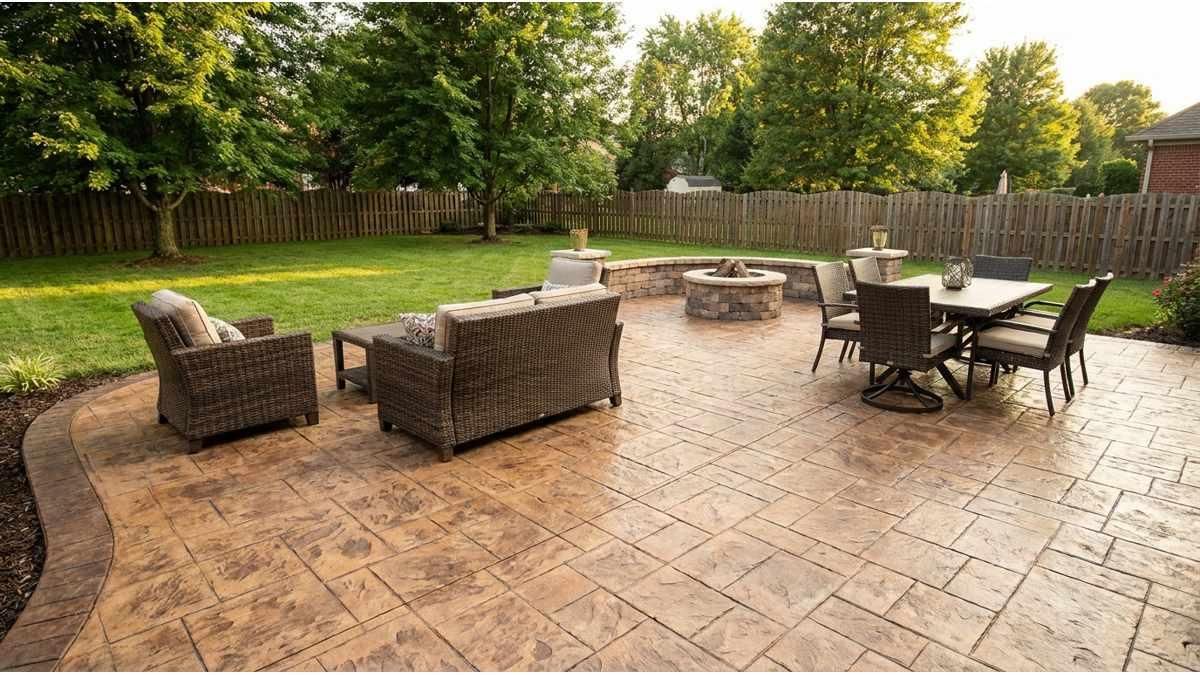
Explore concrete patio resurfacing ideas for Kentucky homes, from coatings and overlays to slip-resistant textures and decorative finishes.
By Jimmy Miller • June 21, 2026
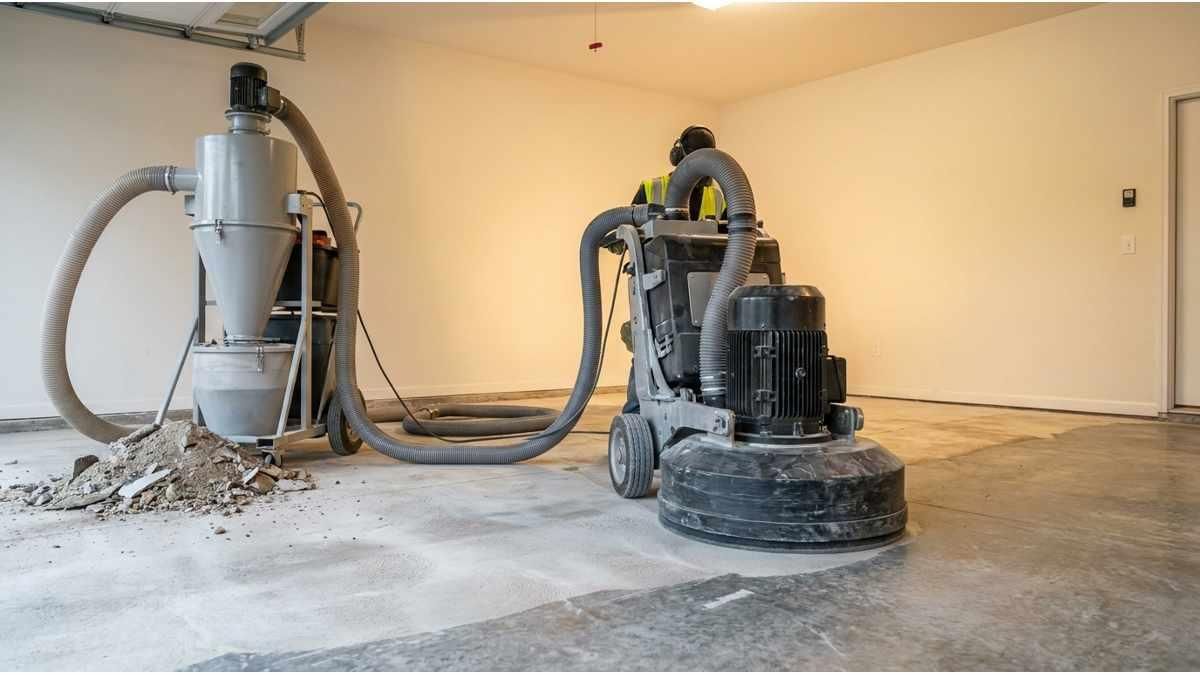
Learn how to prepare garage floor for epoxy, why grinding matters, and what Kentucky homeowners should know before coating concrete.
By Jimmy Miller • June 18, 2026
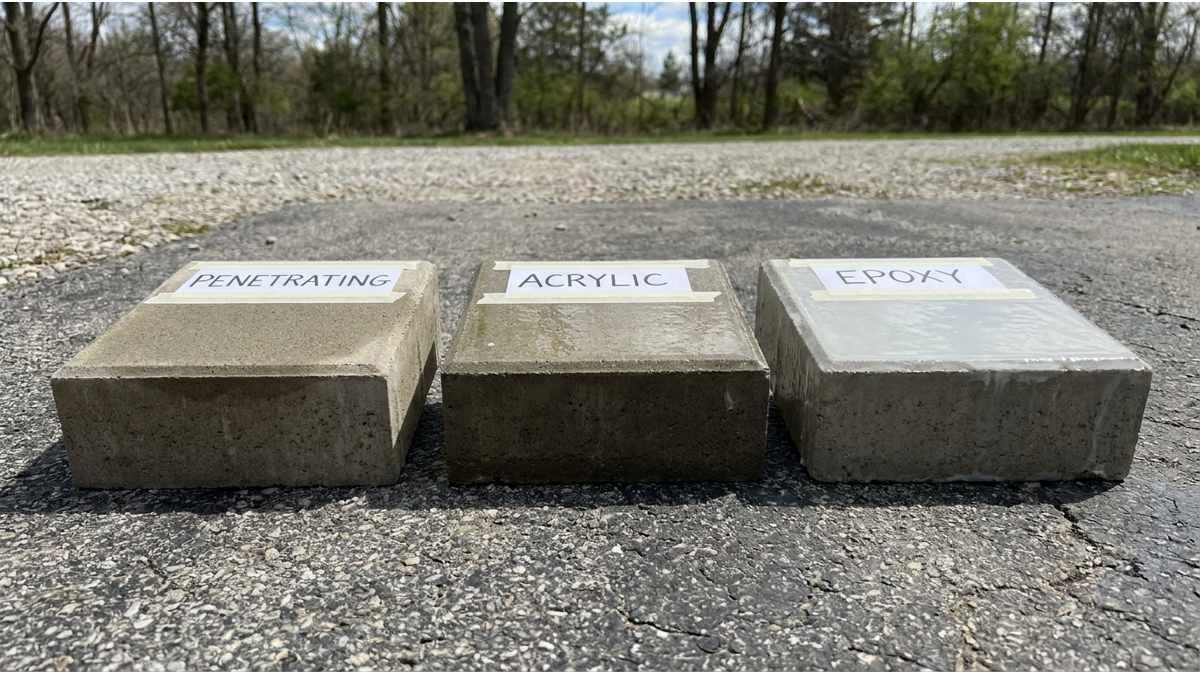
Compare concrete sealer types, including penetrating, acrylic, and epoxy sealers, and learn which option fits Kentucky concrete conditions.
By Jimmy Miller • June 15, 2026
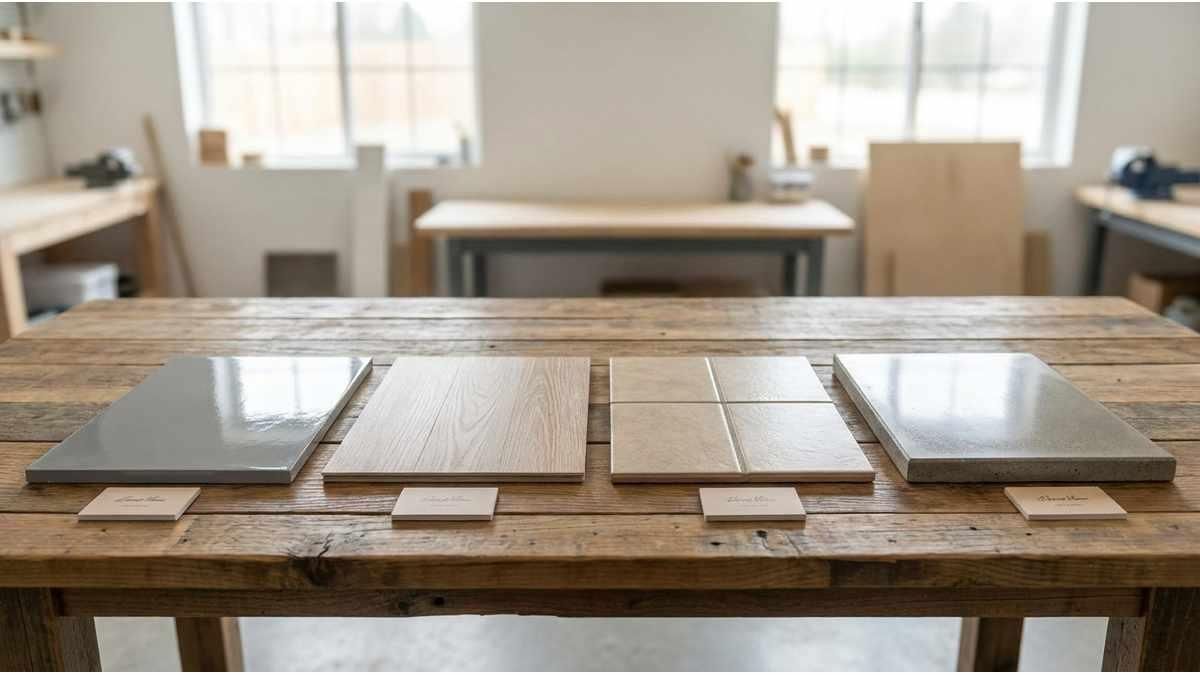
Compare the best flooring for wet basement spaces in Kentucky, including epoxy, vinyl, tile, sealed concrete, and carpet tile options.
By Jimmy Miller • June 10, 2026
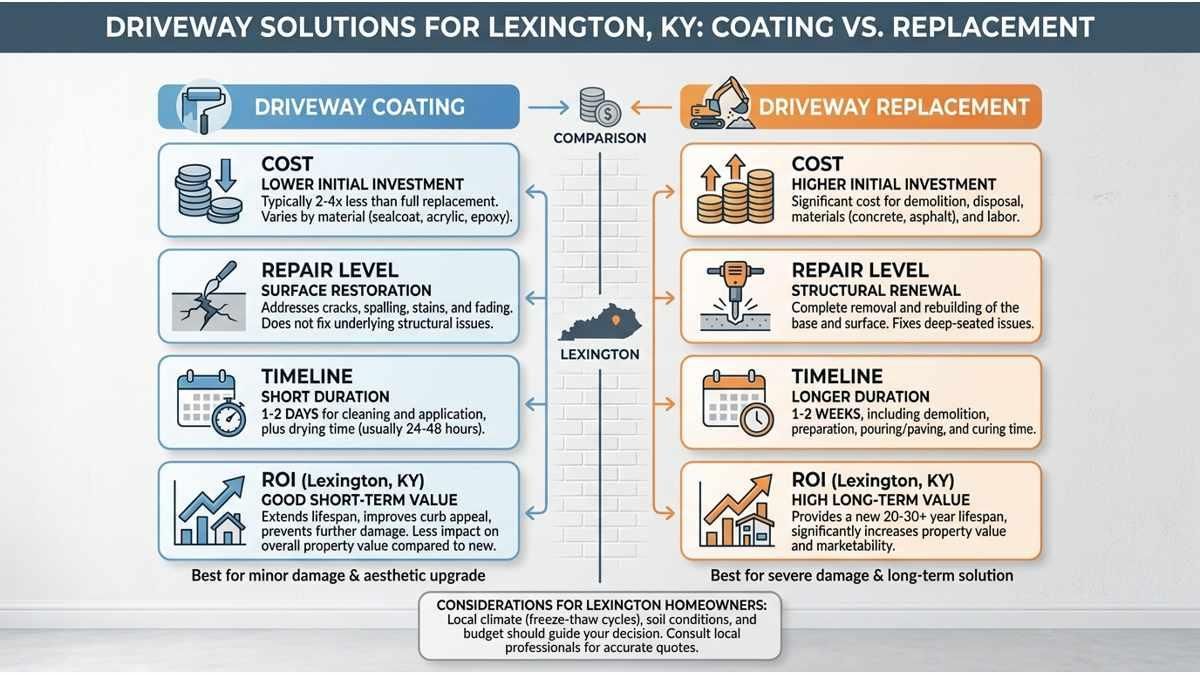
Compare driveway coating vs replacement for Lexington homes, including cost factors, repair limits, curb appeal, and long-term ROI.
By Jimmy Miller • June 6, 2026
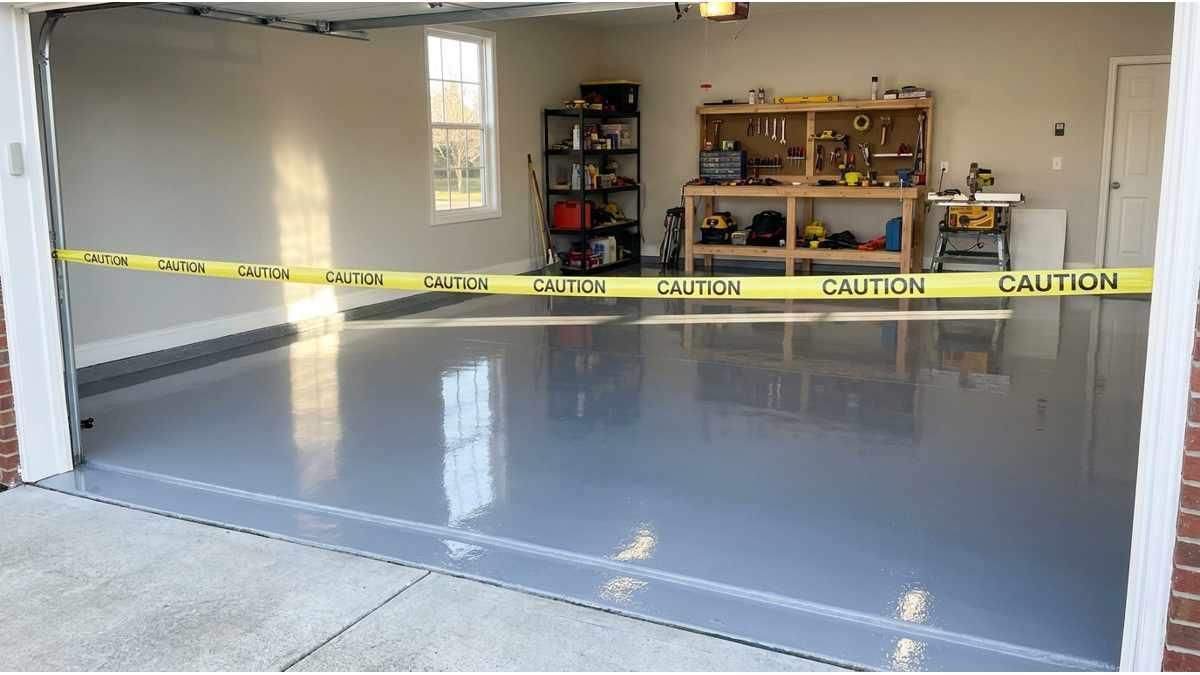
Understand epoxy floor cure time, dry time, foot traffic timing, vehicle timing, and Kentucky weather factors before coating your garage.
By Jimmy Miller • June 3, 2026
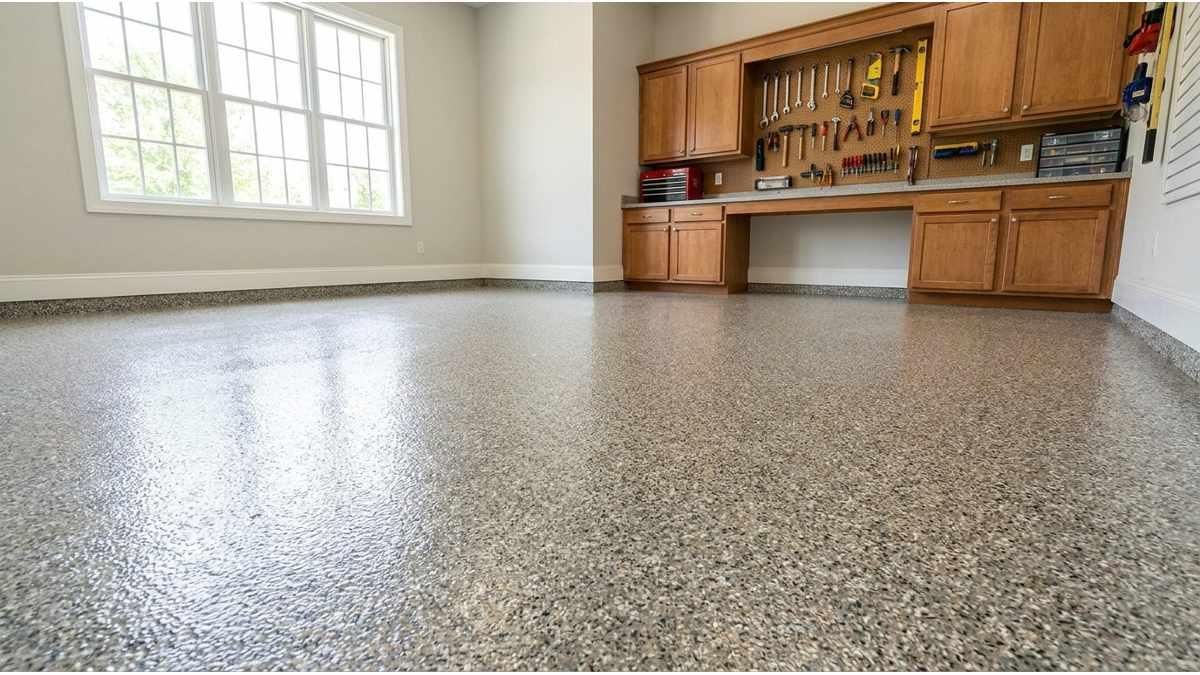
Learn how long epoxy flooring lasts in Kentucky weather, what affects durability, and when to call KY Epoxy Flooring for garage coating help.
Show More