

How to Prepare a Basement Concrete Floor for Epoxy Coating

Jimmy Miller • October 7, 2026

Preparing a basement floor for epoxy means testing the slab for moisture, removing old coatings and contaminants, grinding the concrete to open its surface, and repairing cracks and spalls before a coating system is chosen. Below-grade slabs need extra attention because moisture vapor moving up through the concrete affects how well a coating bonds and how long it lasts. KY Epoxy Flooring works through these steps during basement floor coating projects in Stanford and across Central Kentucky, where basements deal with damp soil and seasonal moisture swings.

Why Basement Slabs Need a Closer Look

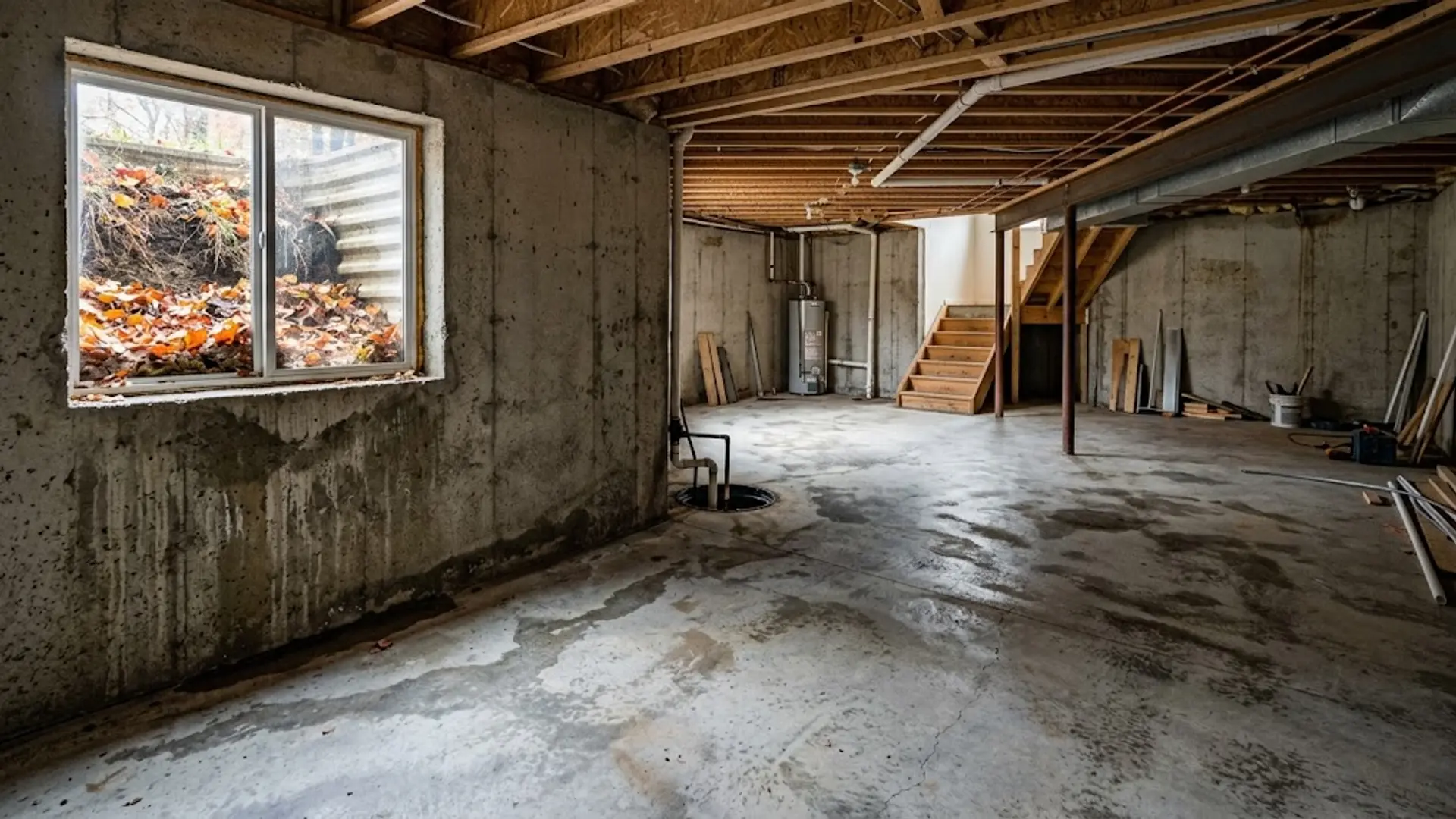
A basement floor sits below grade, so soil moisture can reach it from underneath and along the walls. Moisture vapor works its way up through the concrete even when the floor looks dry, and that vapor is one of the biggest reasons a coating fails to bond or starts lifting months after installation. Before anyone talks about colors or finishes, the slab needs to be checked for how much moisture is moving through it.

Moisture Testing Comes First

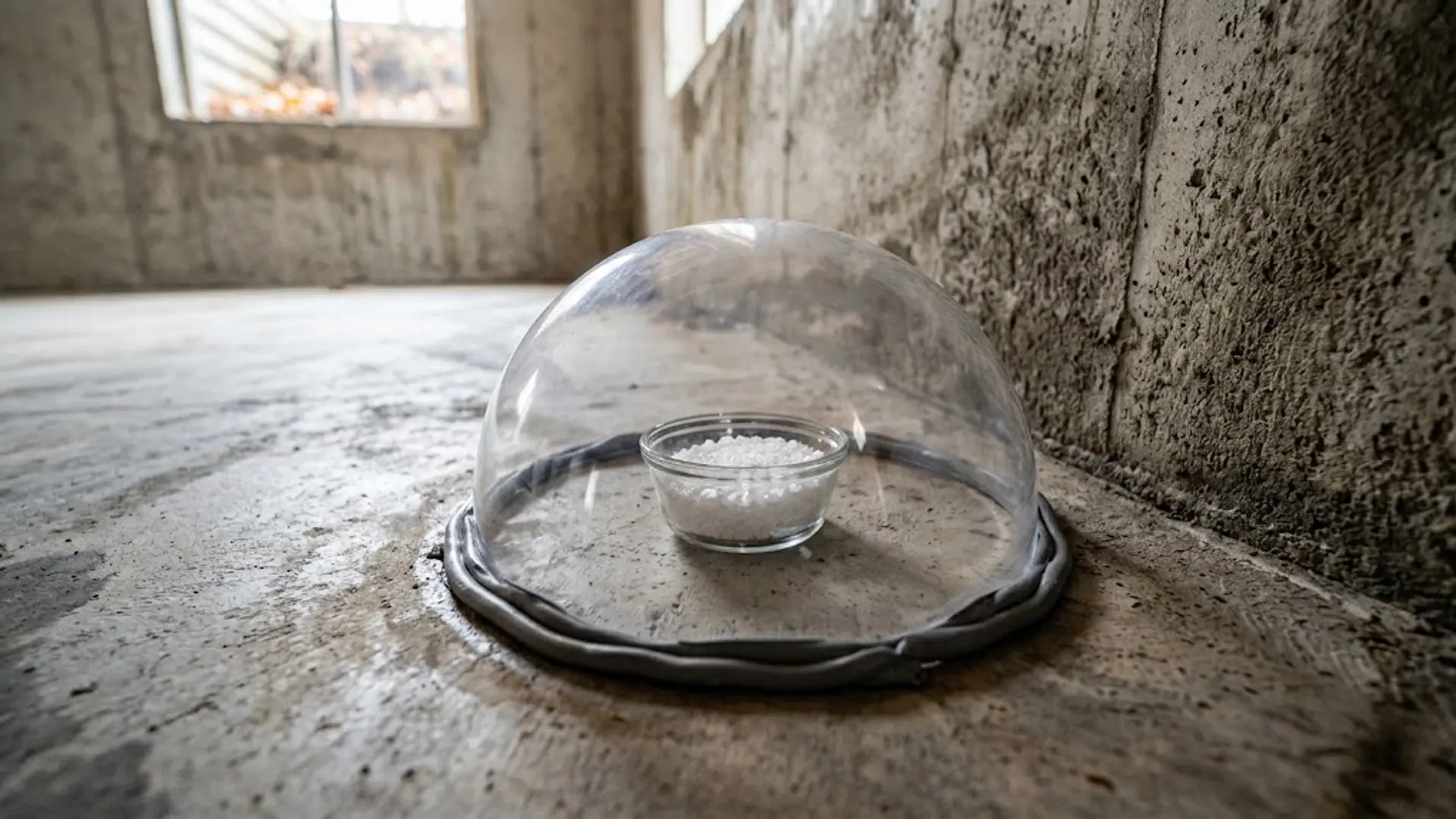
KY Epoxy Flooring starts every basement project with a calcium chloride moisture test, which measures how much moisture vapor the slab releases over 72 hours. Slabs that release more than 3 pounds of vapor per 1,000 square feet in 24 hours get a moisture mitigation primer before the base coat goes down. In-situ relative humidity probes are another common way to read moisture inside the slab, and the acceptable limit depends on the coating system being used.


Testing decides whether a moisture mitigation primer belongs in the system. Slabs that test within limits go straight to the standard system, and slabs with higher vapor readings get the primer.

Clearing Contaminants and Old Coatings

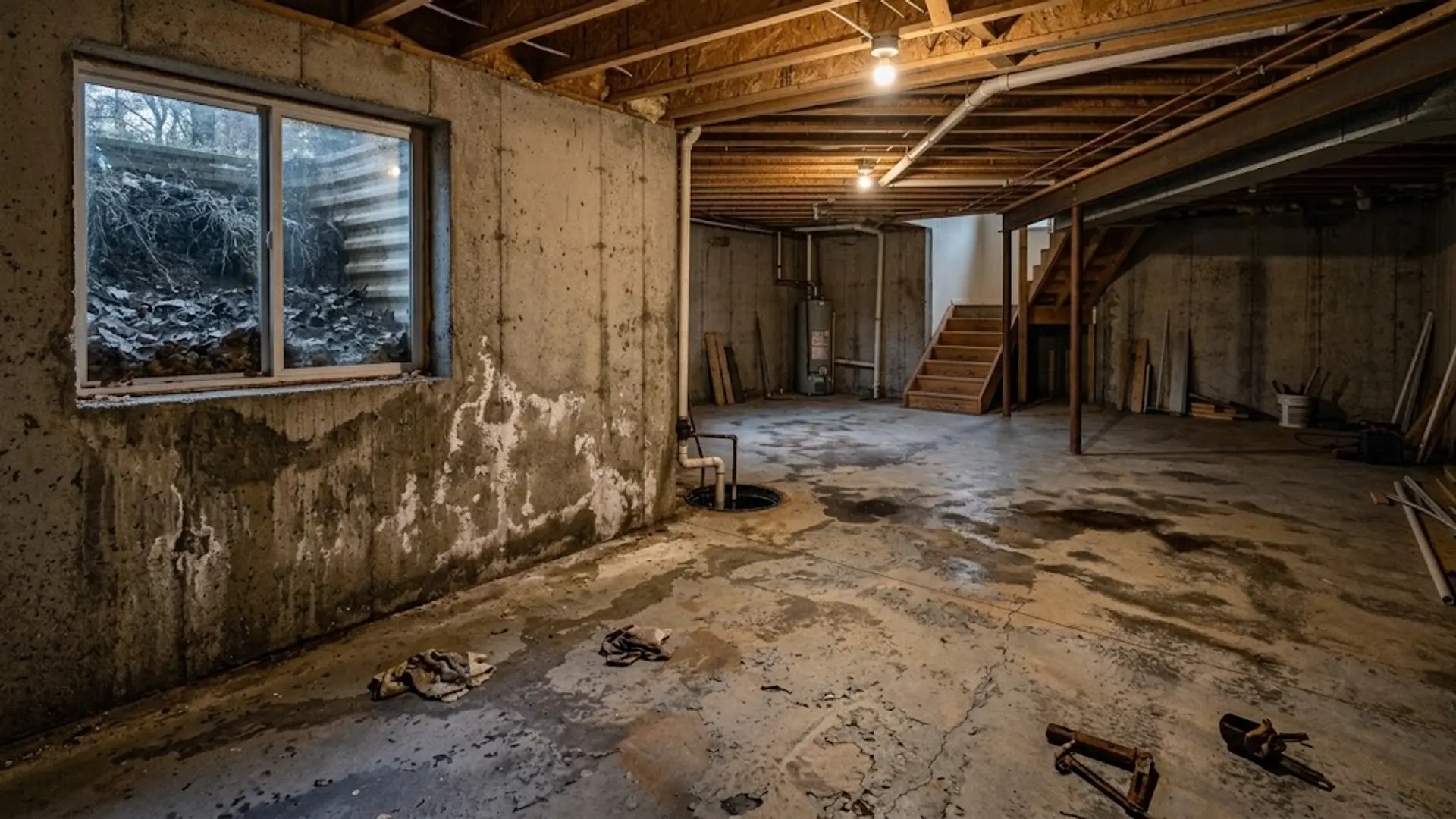
Before grinding starts, the slab needs to be checked for anything that could block adhesion. A floor can look clean and still carry a film of curing compound or old sealer from a previous project. Common problems include:

  • Old paint, sealers, or failed coatings
  • Efflorescence, the white, chalky mineral deposit that forms on damp concrete
  • Oil, grease, or adhesive residue
  • Dust and loose surface material

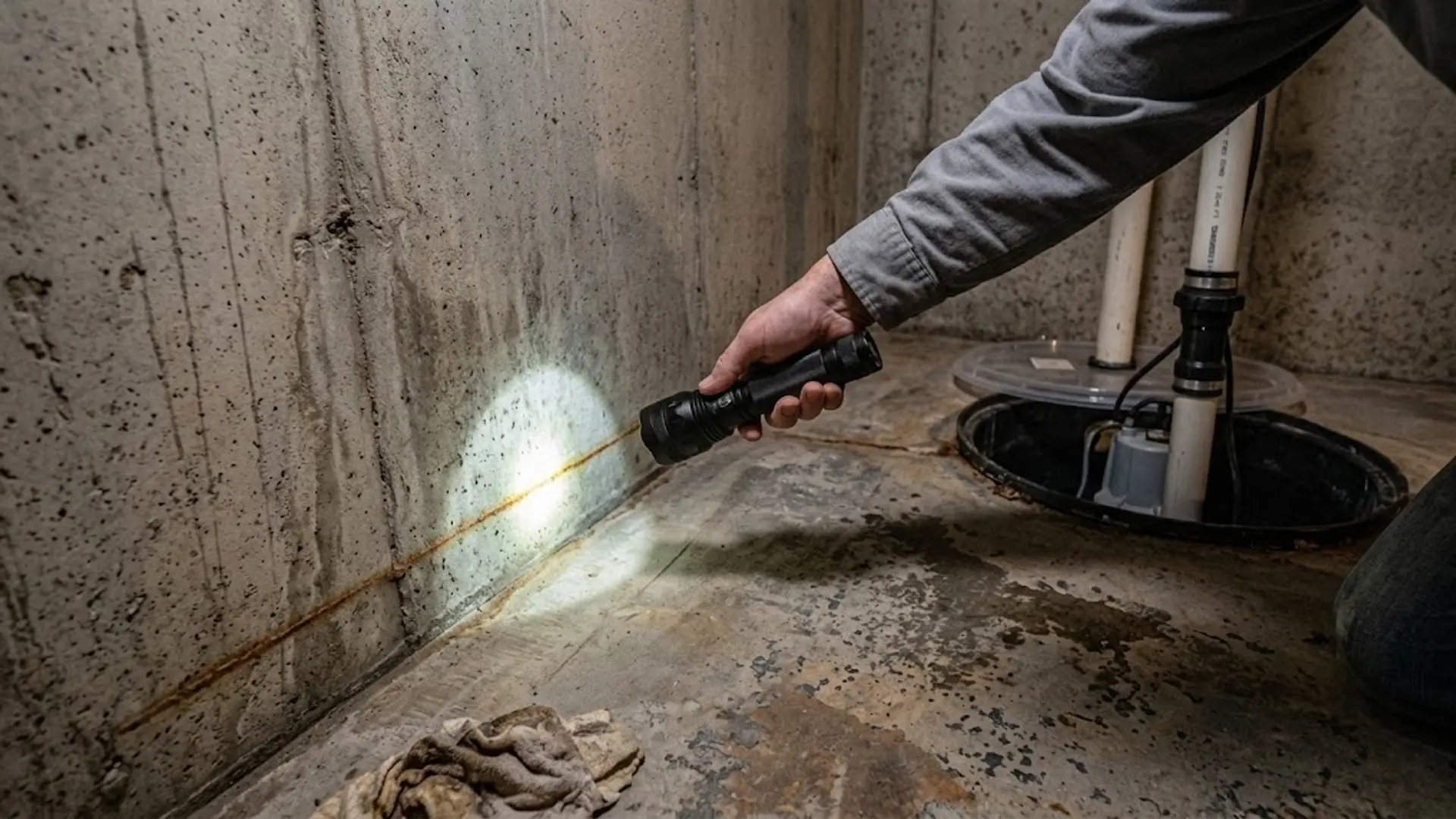
Efflorescence deserves special attention in a basement, because it's a visible sign that moisture has been moving through the slab.

Grinding and Concrete Repairs

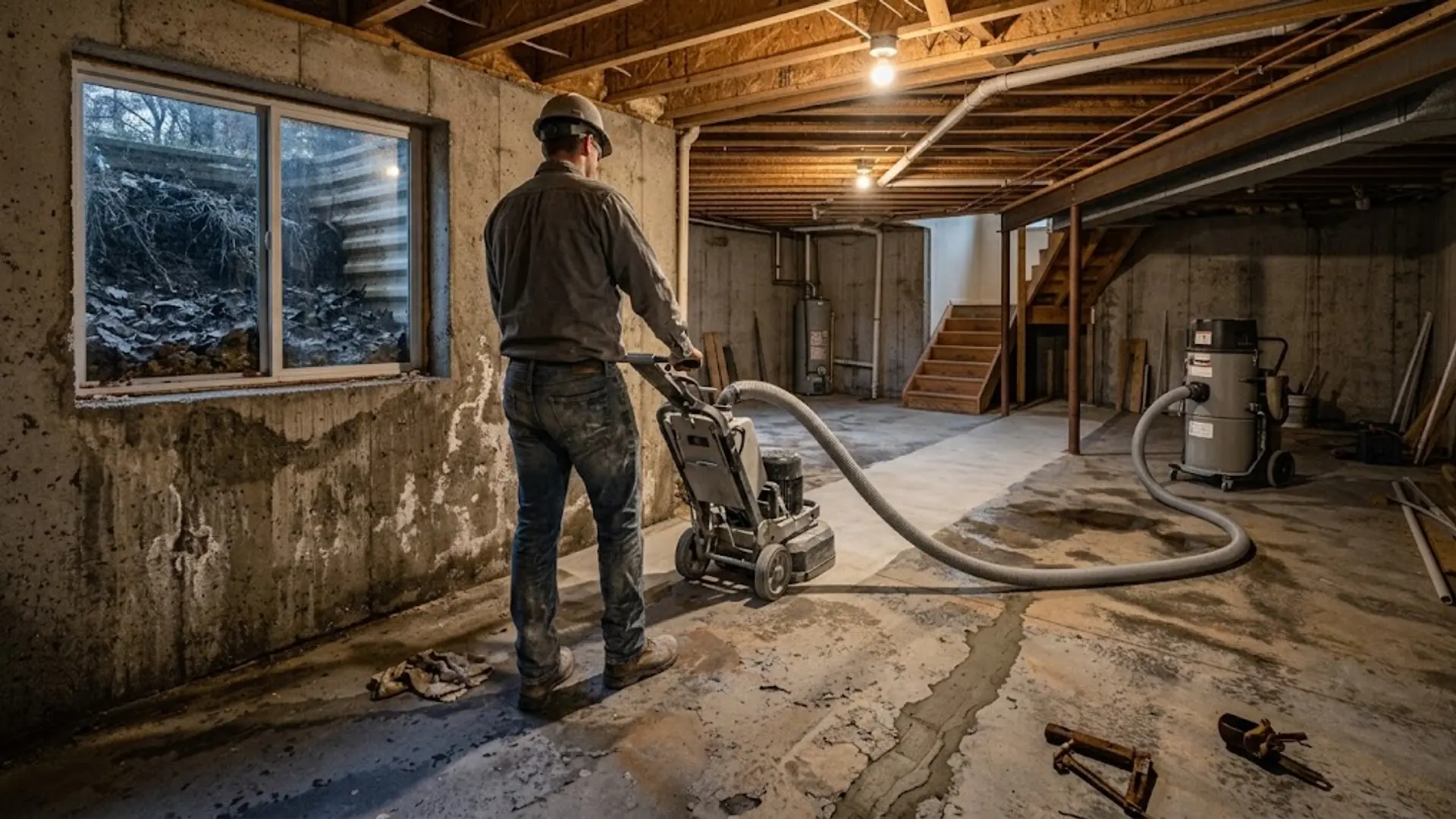
Once the surface is clear, the slab is mechanically prepared, usually with diamond grinding. Grinding removes weak surface material and opens the concrete so the coating can grip it. Cleaning or acid etching leaves the surface too smooth for a dependable bond, and the exact prep depends on the slab's condition, its contaminants, and the coating manufacturer's specifications.


Cracks, pitting, spalls, and damaged joints are evaluated and repaired during this phase too. A coating laid over a cracked or pitted slab carries those defects into the finished floor, so every repair happens before the first coat goes down.

What to Check Before You Schedule an Assessment

A few things are worth a homeowner's attention before scheduling an assessment:

  • Is the sump pump working, and does the basement have functioning drainage?
  • Are there signs of hydrostatic pressure, such as bowing walls, persistent dampness, or water stains near the floor-wall joint?
  • Has the floor ever been coated, sealed, or painted?
  • Are there visible cracks, pitting, or damaged areas in the concrete?

Basement humidity and temperature also affect how a coating cures, so the installation plan should account for the room's actual conditions from the start.

Choosing a System After the Assessment

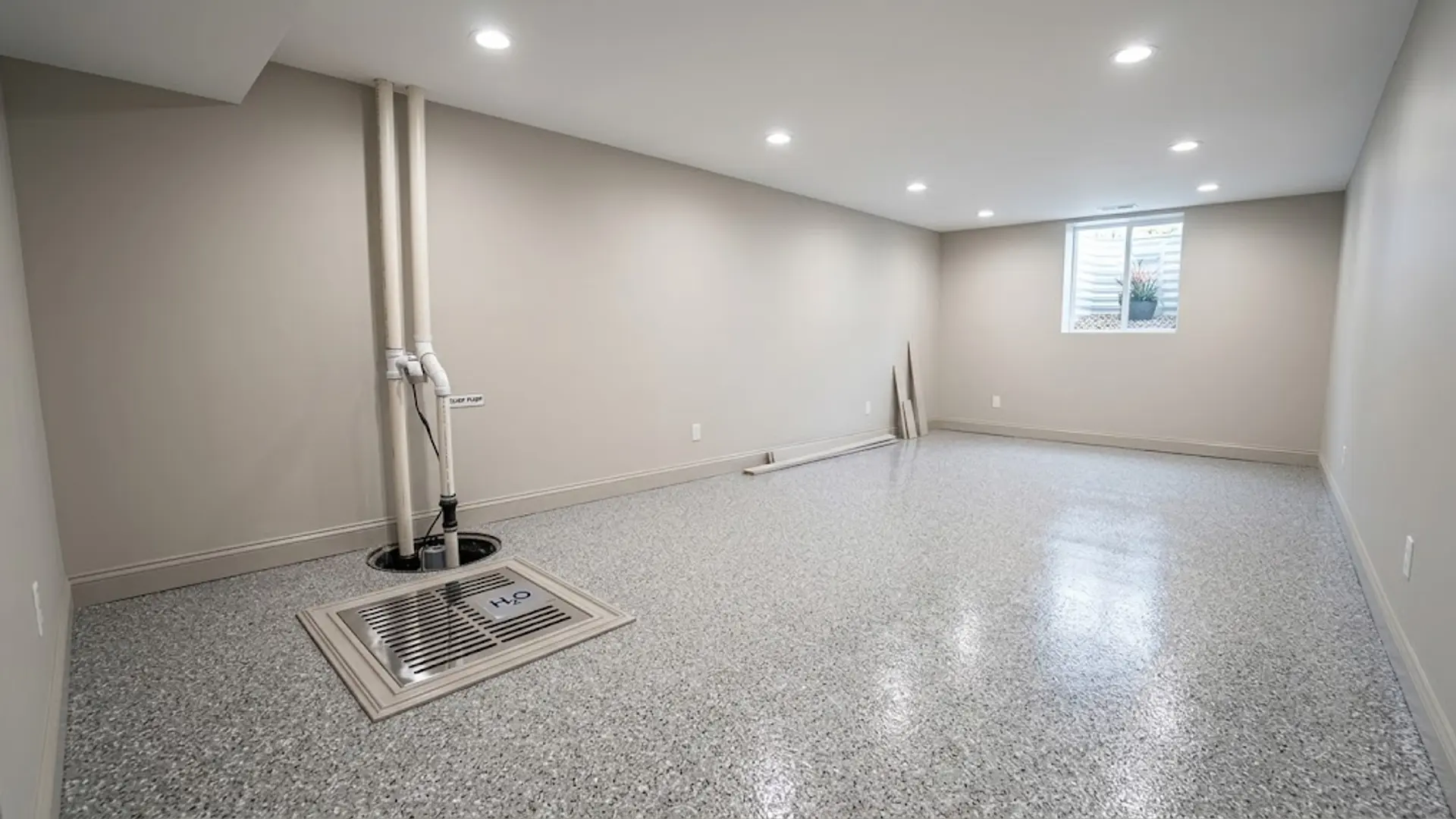
KY Epoxy Flooring installs moisture-barrier epoxy systems in basements, with a moisture mitigation primer when testing calls for it and a polyaspartic topcoat for added durability. The right system depends on what the moisture test and surface assessment turn up, so the recommendation comes after the slab has been checked.

Frequently Asked Questions

How can I tell whether basement moisture needs to be addressed before epoxy is applied?

You can tell whether basement moisture needs to be addressed only by testing the slab, because a dry-looking floor can still release moisture vapor. A calcium chloride test measures vapor emission over 72 hours, and slabs above 3 pounds per 1,000 square feet in 24 hours need a moisture mitigation primer before coating.

Does a basement concrete floor need diamond grinding before epoxy coating?

A basement concrete floor needs mechanical preparation before epoxy coating, and diamond grinding is the most common method. Grinding removes weak surface material and opens the concrete so the coating can bond. Cleaning or acid etching alone won't give you a dependable bond.

Can cracks and small areas of concrete damage be repaired before an epoxy floor is installed?

Cracks and small areas of concrete damage can be repaired before an epoxy floor is installed, and they should be. Cracks, pitting, spalls, and damaged joints are evaluated and repaired as part of slab preparation, before any coating layers are applied.

Ready to Get Your Basement Assessed?

KY Epoxy Flooring serves Stanford, Richmond, London, and communities across Central Kentucky. The team will test your basement slab and walk you through what it needs before a coating goes down. Residential installations come with a 20-year warranty, so it pays to get the prep right the first time. Call (859) 749-3449 to schedule an assessment.

By Jimmy Miller • October 7, 2026
Learn how to pick a slip-resistant pool deck coating built for Central Kentucky's heat, rain, and freeze-thaw winters, from texture to cleaning tips.
By Jimmy Miller • June 29, 2026
Master commercial epoxy floor maintenance. Protect your Kentucky business with our expert tips on daily cleaning, safe chemicals, and bi-annual inspections.
By Jimmy Miller • June 25, 2026
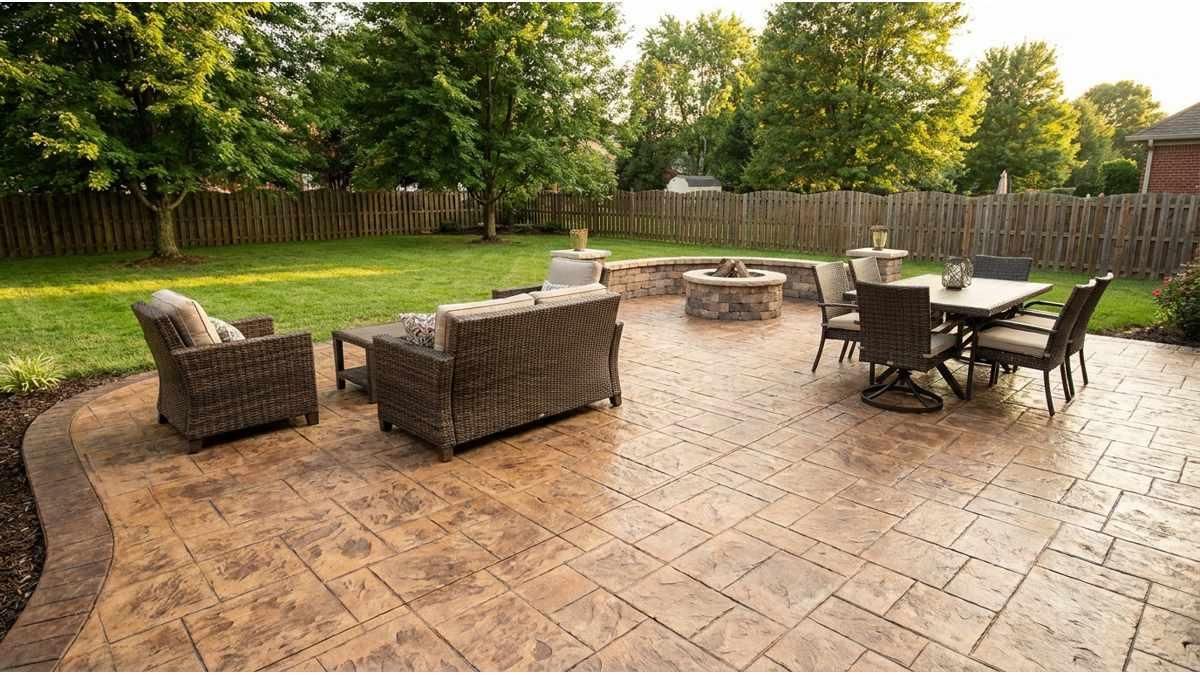
Explore concrete patio resurfacing ideas for Kentucky homes, from coatings and overlays to slip-resistant textures and decorative finishes.
By Jimmy Miller • June 21, 2026
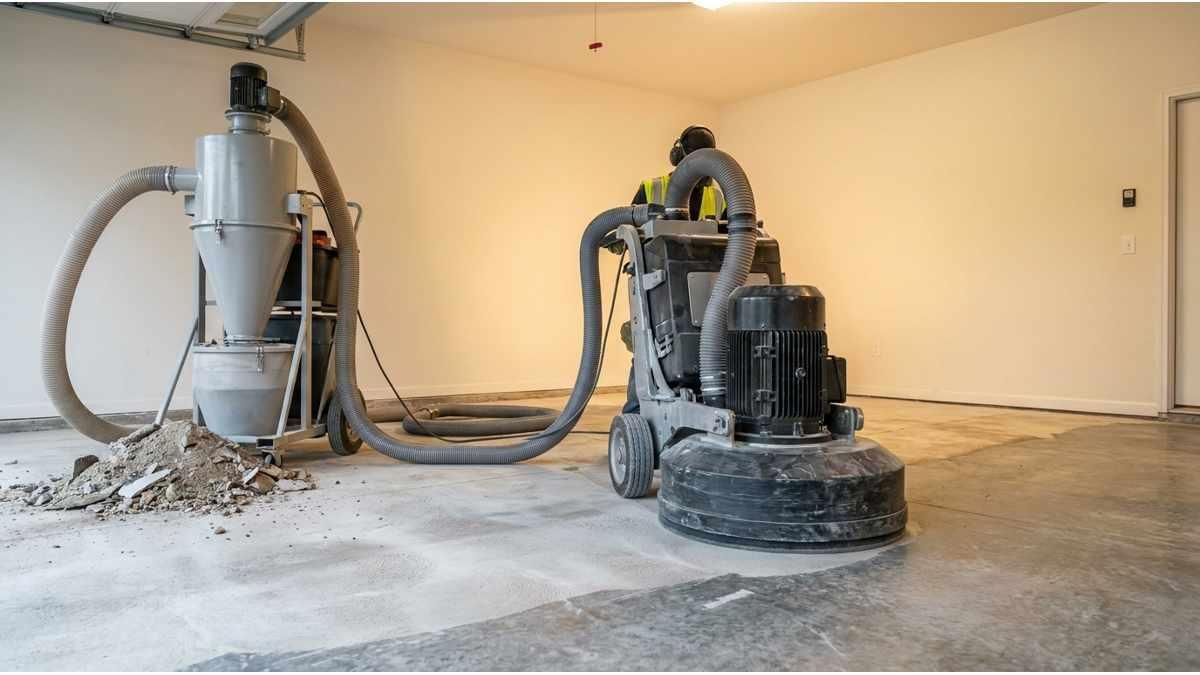
Learn how to prepare garage floor for epoxy, why grinding matters, and what Kentucky homeowners should know before coating concrete.
By Jimmy Miller • June 18, 2026
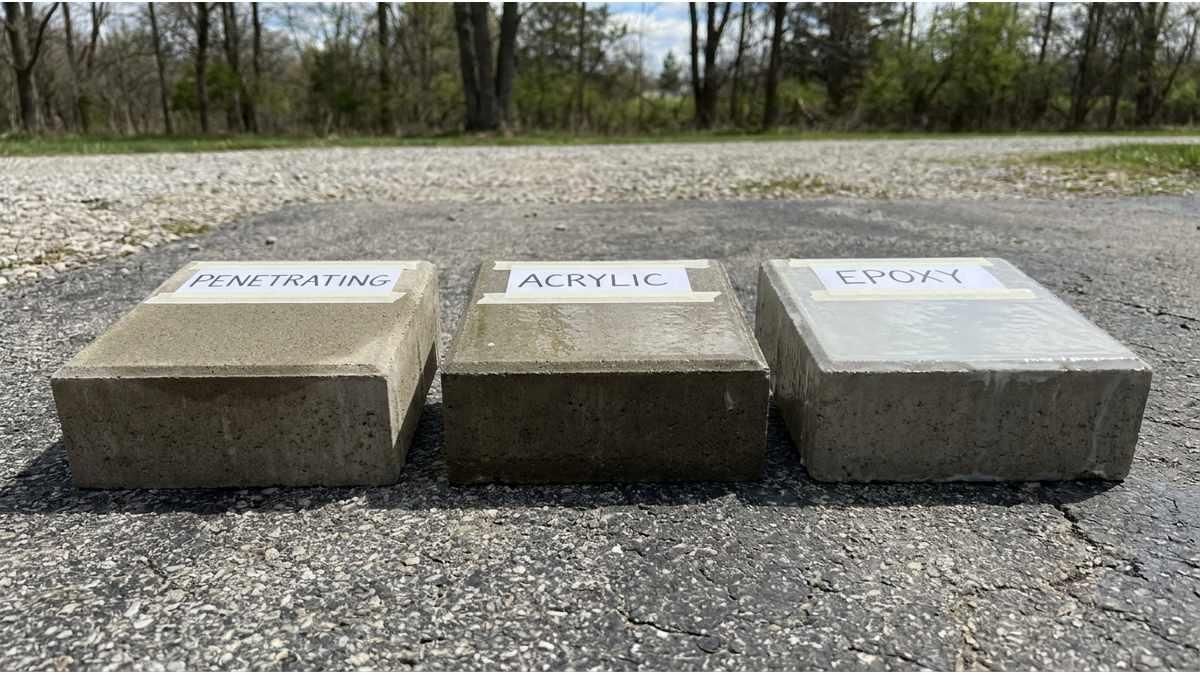
Compare concrete sealer types, including penetrating, acrylic, and epoxy sealers, and learn which option fits Kentucky concrete conditions.
By Jimmy Miller • June 15, 2026
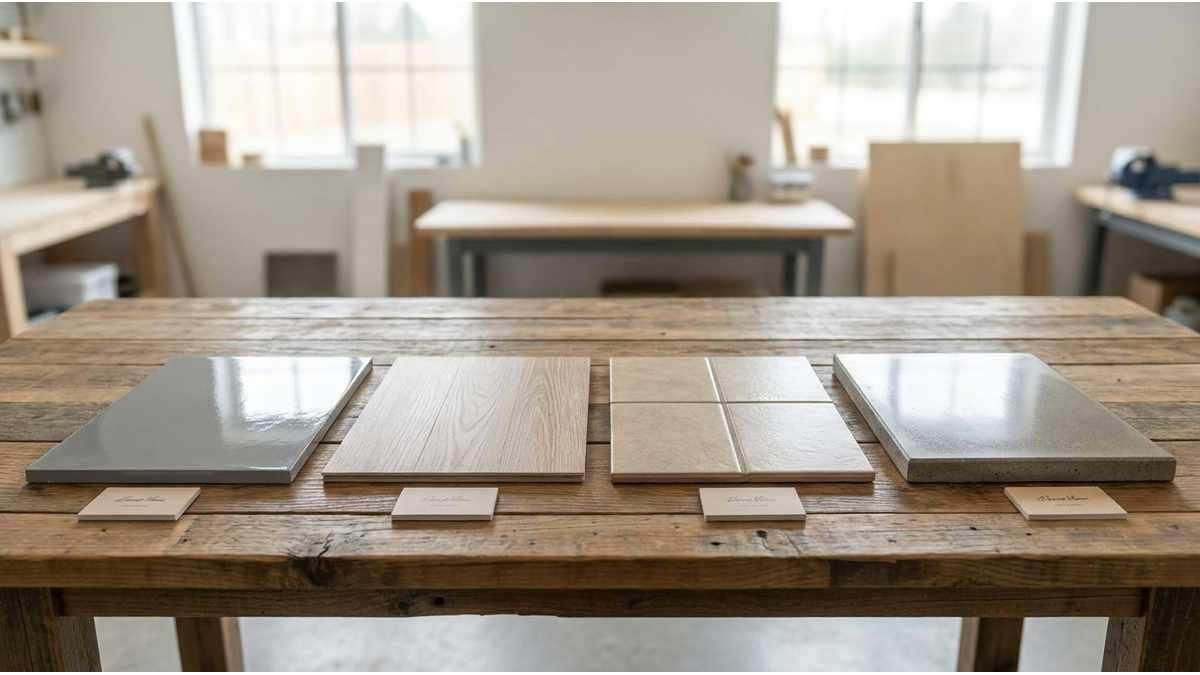
Compare the best flooring for wet basement spaces in Kentucky, including epoxy, vinyl, tile, sealed concrete, and carpet tile options.
By Jimmy Miller • June 10, 2026
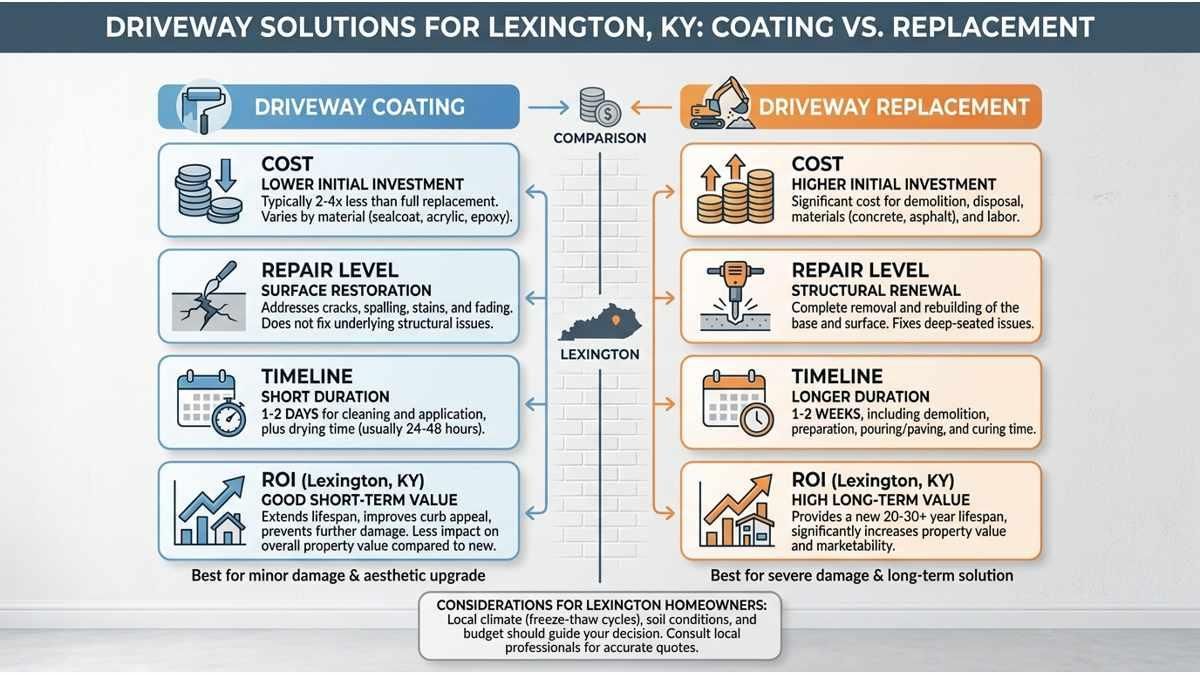
Compare driveway coating vs replacement for Lexington homes, including cost factors, repair limits, curb appeal, and long-term ROI.
By Jimmy Miller • June 6, 2026
Understand epoxy floor cure time, dry time, foot traffic timing, vehicle timing, and Kentucky weather factors before coating your garage.
By Jimmy Miller • June 3, 2026
Learn how long epoxy flooring lasts in Kentucky weather, what affects durability, and when to call KY Epoxy Flooring for garage coating help.
By Jimmy Miller • May 29, 2026
Compare DIY epoxy garage floor kits to professional installation in Kentucky. Learn about costs, preparation methods, cure times, and long-term durability.
Show More