If you're trying to decide between resurfacing your existing concrete patio with a coating or installing bonded outdoor tile, the honest answer is that neither option is automatically the better choice. The right decision depends on your patio's current condition, how much moisture and sun it sees, and what kind of upkeep you're willing to take on. This guide walks through what actually separates a well-specified coating from a well-specified tile installation, so you can compare the two fairly instead of guessing based on the finish material alone.
Why This Isn't a One-Size-Fits-All Comparison
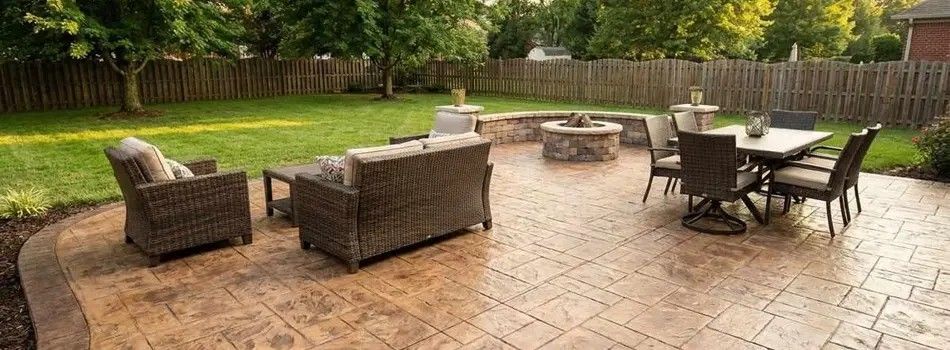
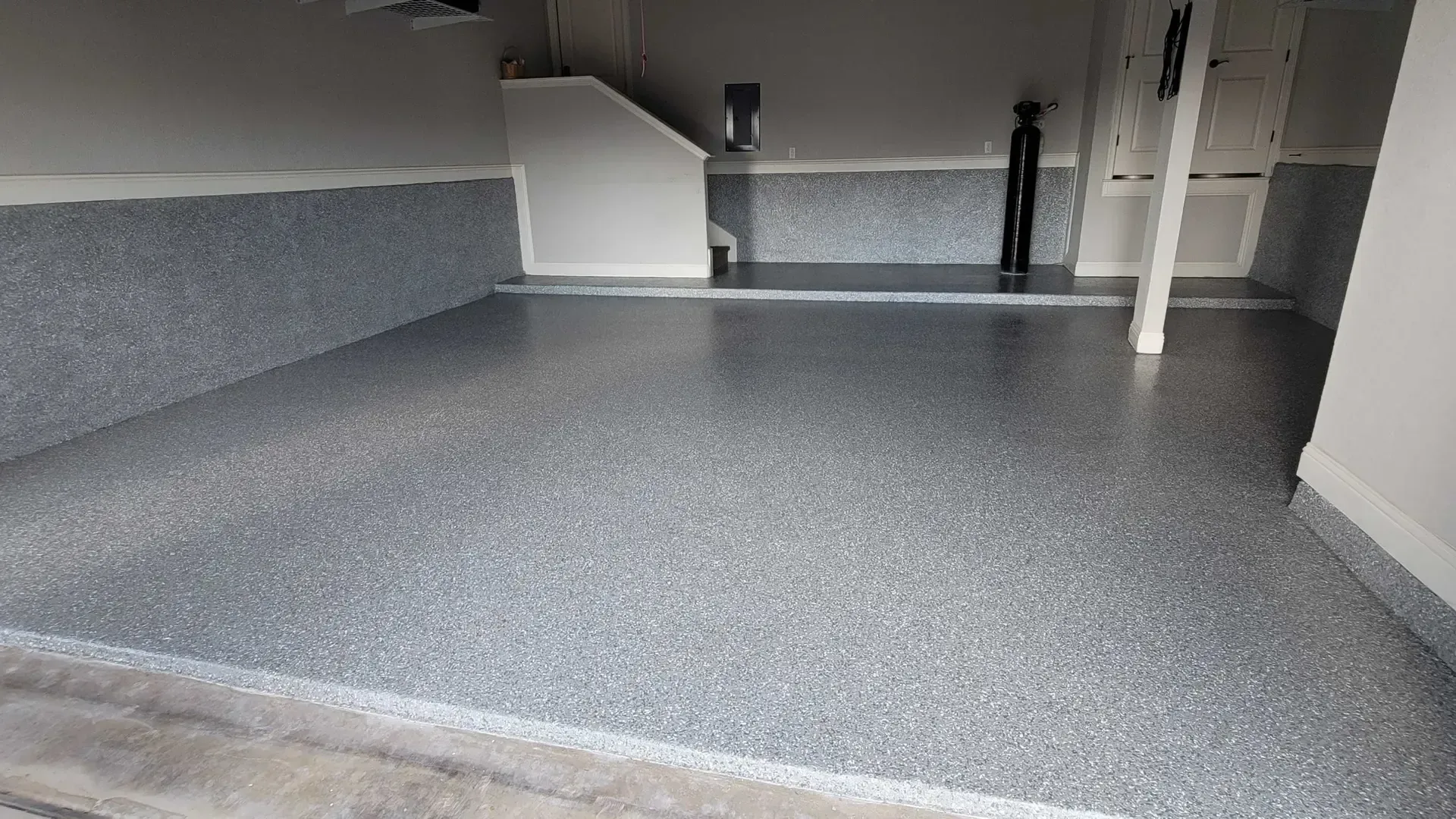
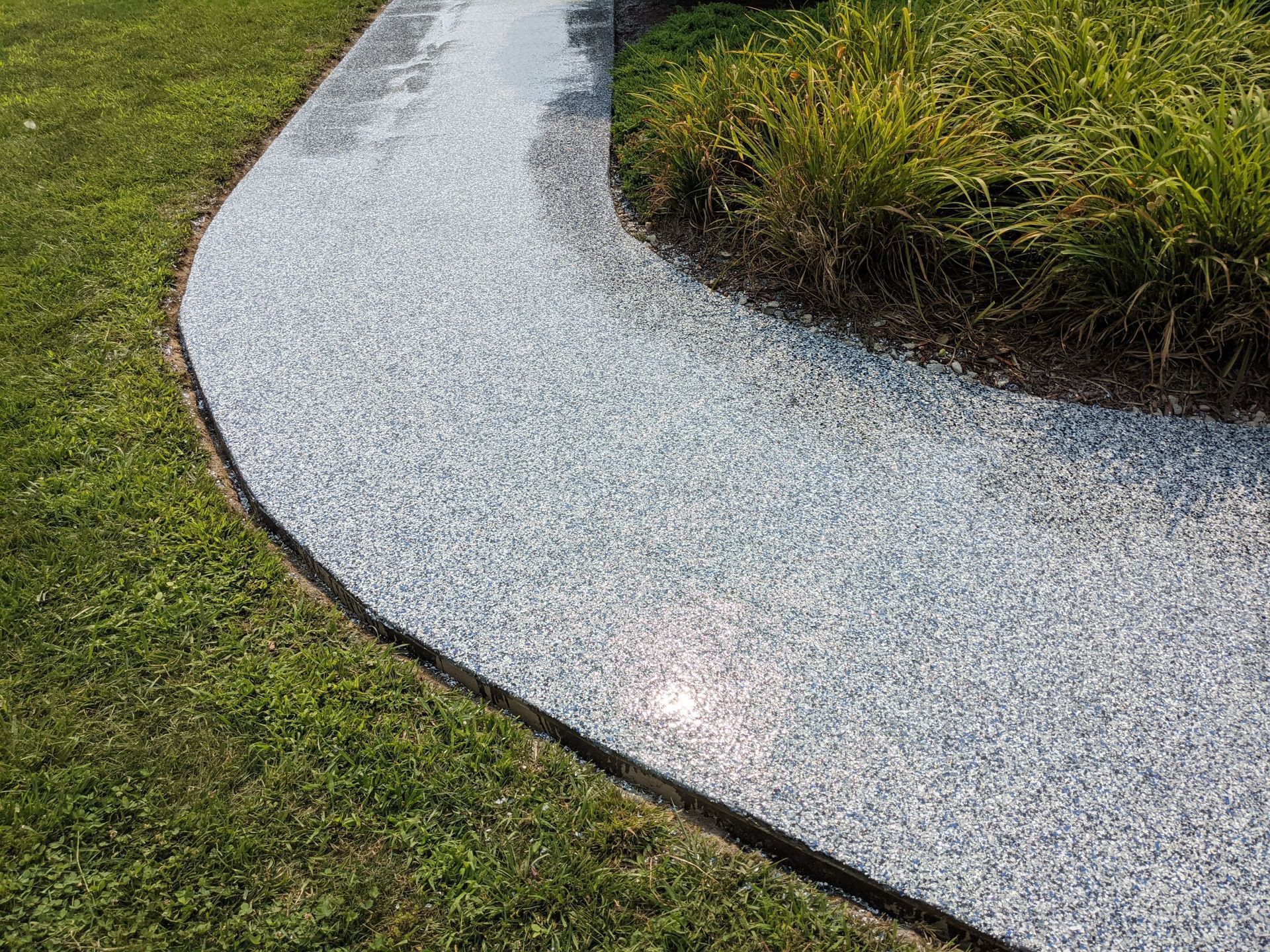
Patio coatings and outdoor tile are both broad categories, not single products. KY Epoxy Flooring offers patio coatings as one of its priority services for Central Kentucky homeowners, including polyaspartic coating systems. But "coating" covers a range of assemblies, just as "tile" covers everything from unsuitable indoor material to frost-rated porcelain. A fair comparison looks at the complete, specified installation on each side, not just the surface label.
Outdoor Tile: What Actually Determines Performance
Not all tile belongs outdoors. According to TEC's exterior installation guidance, frost-resistant tile is recommended anywhere freezing and thawing occurs, and low-absorption porcelain generally offers greater resistance to frost damage than higher-absorption materials. That's an important starting point, but tile selection alone doesn't guarantee a durable patio.
The bigger factor is the full assembly working together. Exterior tile needs proper drainage along with a coordinated substrate, membrane, mortar, and grout and joint detailing. When mortar coverage is inadequate, water can get trapped beneath the tile, freeze, expand, and contribute to bond failure over time (TEC Exterior Tile Installation Guide). In other words, a durable tile installed with the wrong preparation can still fail.
- Frost-resistant, low-absorption tile suited to outdoor freeze-thaw exposure
- A drainage plan that moves water away from the patio rather than trapping it
- Coordinated substrate, membrane, mortar, and grout detailing specified for exterior use
- Sealing for porous tile, stone, or grout where the manufacturer specifies it
On that last point, appearance and upkeep depend partly on the grout and sealant choices made for the specific materials used. Not every tile requires sealing, so this should be confirmed based on what's actually installed rather than assumed (TEC Exterior Tile Installation Guide).
Patio Coatings: What a Complete System Needs
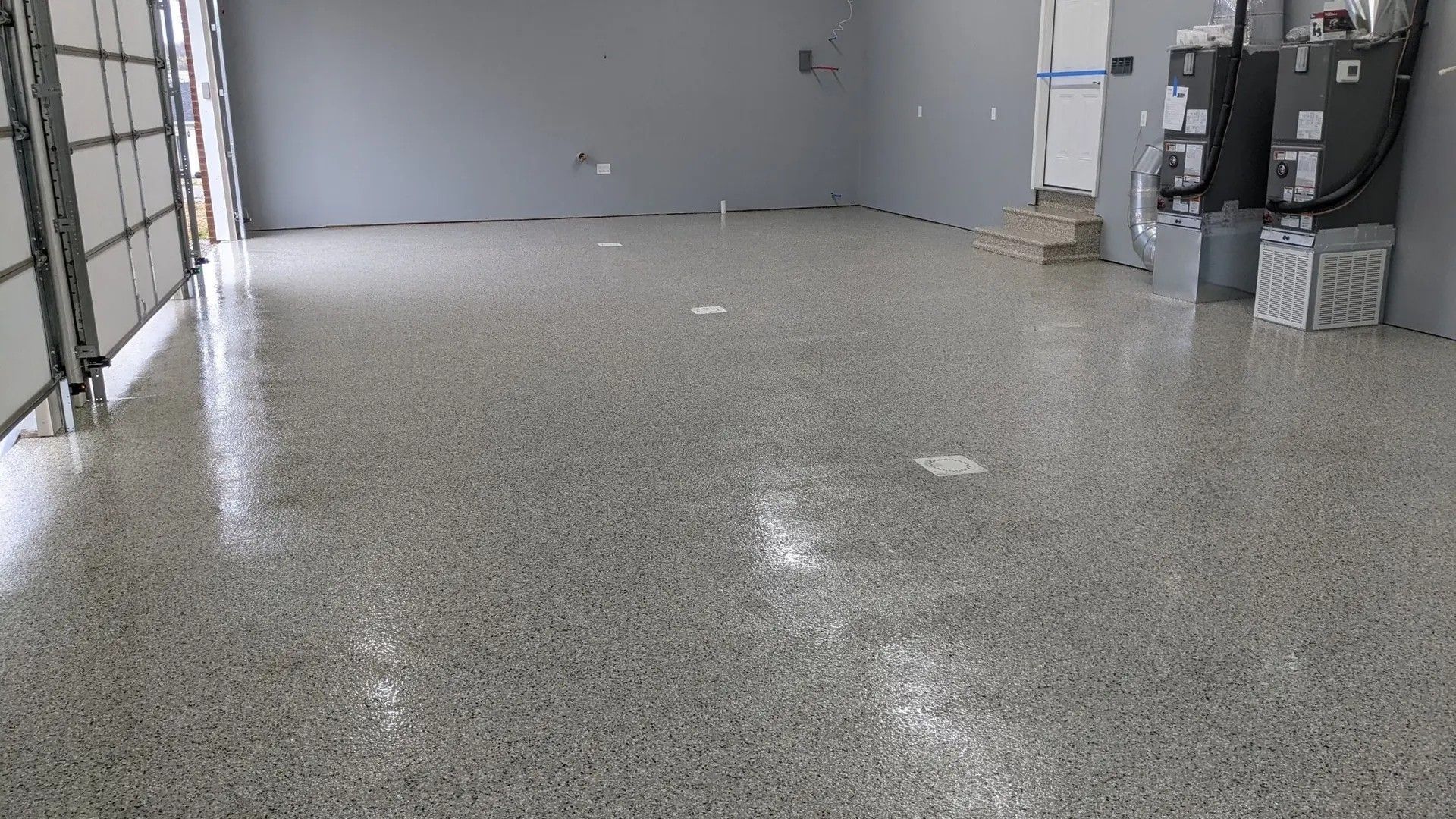
Coatings have their own version of the same lesson: the named, complete system matters more than the broad word "coating." Polyaspartic coatings are an offered capability at KY Epoxy Flooring, and polyaspartic topcoats are manufactured specifically to hold up to UV exposure outdoors. For example, Sika documents UV resistance for its Sikafloor-515 polyaspartic topcoat when used over broadcast systems (Sika, Sikafloor-515). That's product-specific evidence about one manufacturer's system, not proof that every epoxy or polyaspartic product is suitable for exterior use. The takeaway for homeowners is the same as with tile: confirm the specific assembly being proposed, not just the general category of material.
Comparing the Two Fairly
Once you're looking at two properly specified assemblies instead of a premium option against an unsuitable one, a few practical questions help you compare on equal terms.
Slip Resistance in Wet Conditions
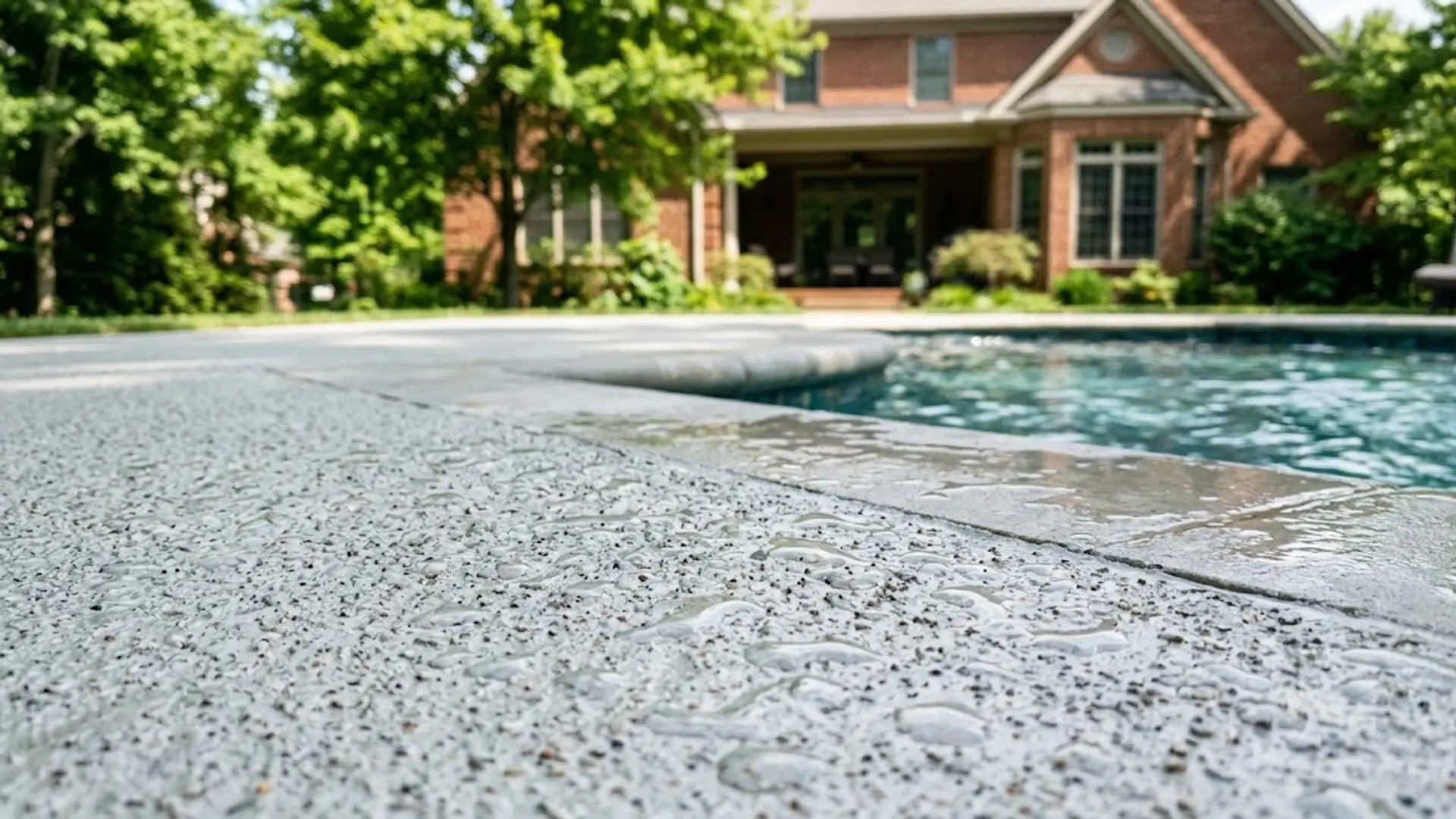
For a patio that gets wet, don't rely on a single number as proof of safety. The Tile Council of North America notes that a wet dynamic coefficient of friction (DCOF) of 0.42 is a reference value, not a universal outdoor safety threshold, and no friction measurement can guarantee that someone won't slip (Tile Council of North America). Instead, ask whether the specific finish, whether tile or coating, has manufacturer-declared suitability for wet, exterior use, and consider drainage, surface contamination, and expected wear and maintenance alongside it.
Comparing Quotes on Equal Scope
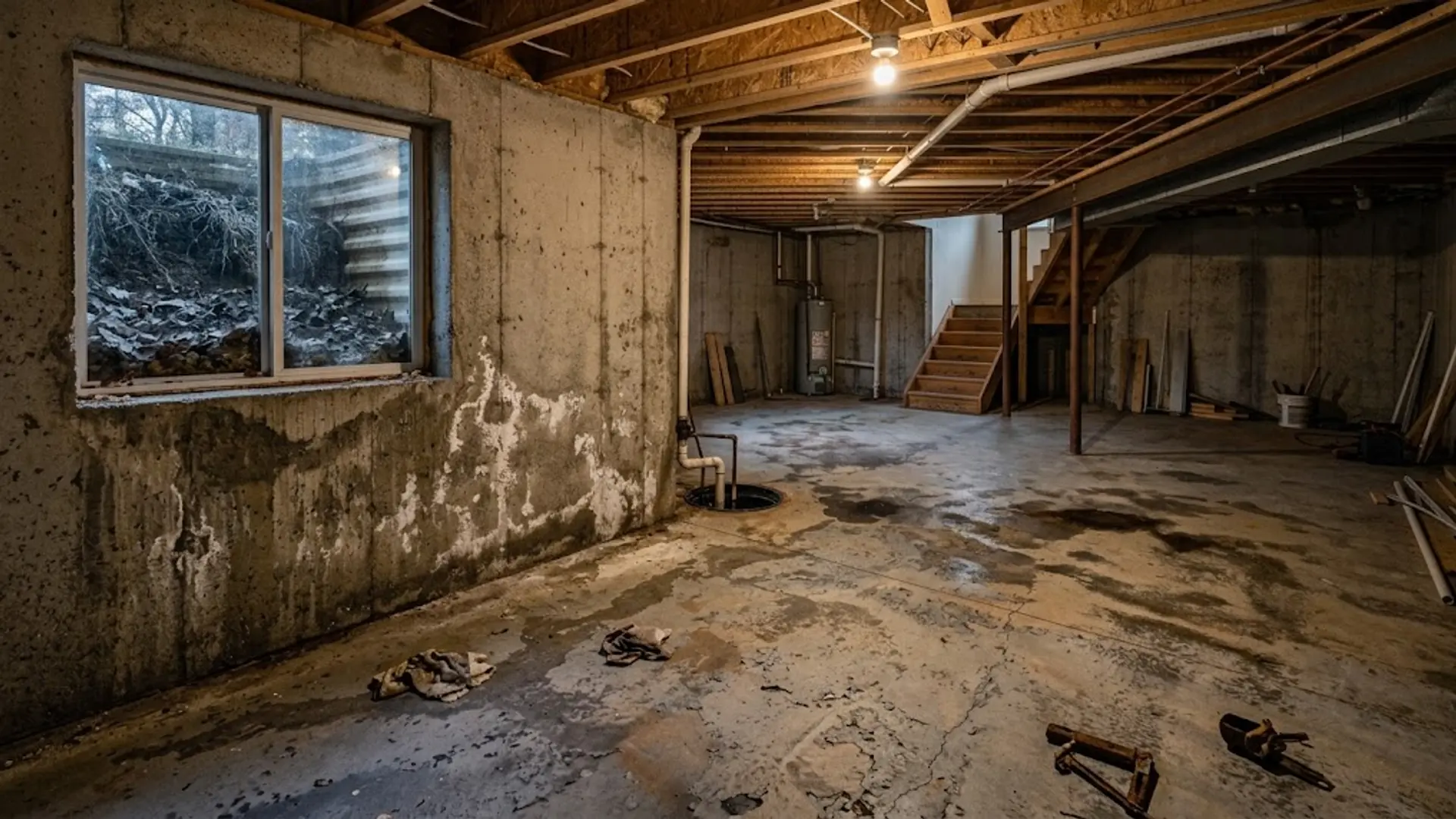
Installed price comparisons only make sense when the scope matches. A coating quote and a tile quote should each account for removal of the old surface, preparation, any necessary repairs, drainage correction, and the full specified finish assembly. For tile, that also means clarity on setting materials, membranes, grout, and joint detailing where applicable. Comparing a tile-only retail price against a complete coating proposal, or the reverse, doesn't give you an accurate picture of total cost.
Timing and Realistic Scheduling
Installation completion and full cure are two different milestones. As one example, Sika lists separate foot-traffic-ready and full-cure intervals for its polyaspartic topcoat, and TEC notes that exterior mortar curing time depends on temperature and sun exposure. These are manufacturer examples rather than scheduling promises from any specific installer, but they're a useful reminder to plan around both numbers, especially for furniture replacement and weather-sensitive work.
Local Conditions Worth Factoring In
Central Kentucky's climate plays a role in how either surface performs over time. NOAA describes the broader regional climate, including markets like Louisville, as having warm summers, moderately cold winters, and spring and summer thunderstorms with relatively high summer humidity. That mix of freeze-thaw cycling and wet-weather exposure is exactly why drainage, material selection, and proper preparation matter more than the finish label alone.
Quick Comparison at a Glance
Here is how the two options compare on the factors that matter most:
- Material selection: Outdoor tile: Frost-resistant, low-absorption tile recommended for freeze-thaw exposure. Patio coating: Specific system matters more than the general coating category.
- Preparation scope: Outdoor tile: Substrate, membrane, mortar, and grout/joint detailing coordinated together. Patio coating: Surface preparation specific to the chosen coating system.
- Water handling: Outdoor tile: Drainage planning critical to prevent trapped moisture and freeze damage. Patio coating: Manufacturer-declared exterior and wet suitability should be confirmed.
- Maintenance: Outdoor tile: Porous tile, stone, or grout may need periodic sealing. Patio coating: Depends on the specified topcoat and exposure.
- Timing: Outdoor tile: Cure time affected by temperature and sun exposure. Patio coating: Foot-traffic-ready and full-cure are separate milestones.
If you'd like to see what a professionally specified patio coating looks like for your home, our
patio coating options page breaks down the systems available, and our
concrete patio resurfacing ideas article covers design possibilities for existing slabs.
Get a Patio Evaluation in Central Kentucky
Deciding between a patio coating and outdoor tile comes down to your specific slab, exposure, and goals, and that's easiest to sort out with a look at your patio in person. KY Epoxy Flooring provides patio coating services to homeowners from our Stanford, KY headquarters, with regular service in Richmond and London and throughout Central Kentucky. Residential installations are backed by a 20-year warranty. Call
(859) 749-3449 to talk through which option fits your patio, or explore our
patio coating services for Stanford, Richmond, London, and the surrounding Central Kentucky area.